Before 2009, the U.S. sat comfortably on the throne of the world’s largest auto market. It was the gold rush of the industry. If you were a manufacturer, you wanted that piece of the pie.
But the American palate for cars? It’s unique. Unlike Europe or Asia, we have our own strange preferences, road widths, and safety quirks. That isolation has kept a lot of incredible machines off our streets. Now, as China has overtaken the U.S., those bridges haven’t really rebuilt themselves. We’ve lost some genuine winners in the process.
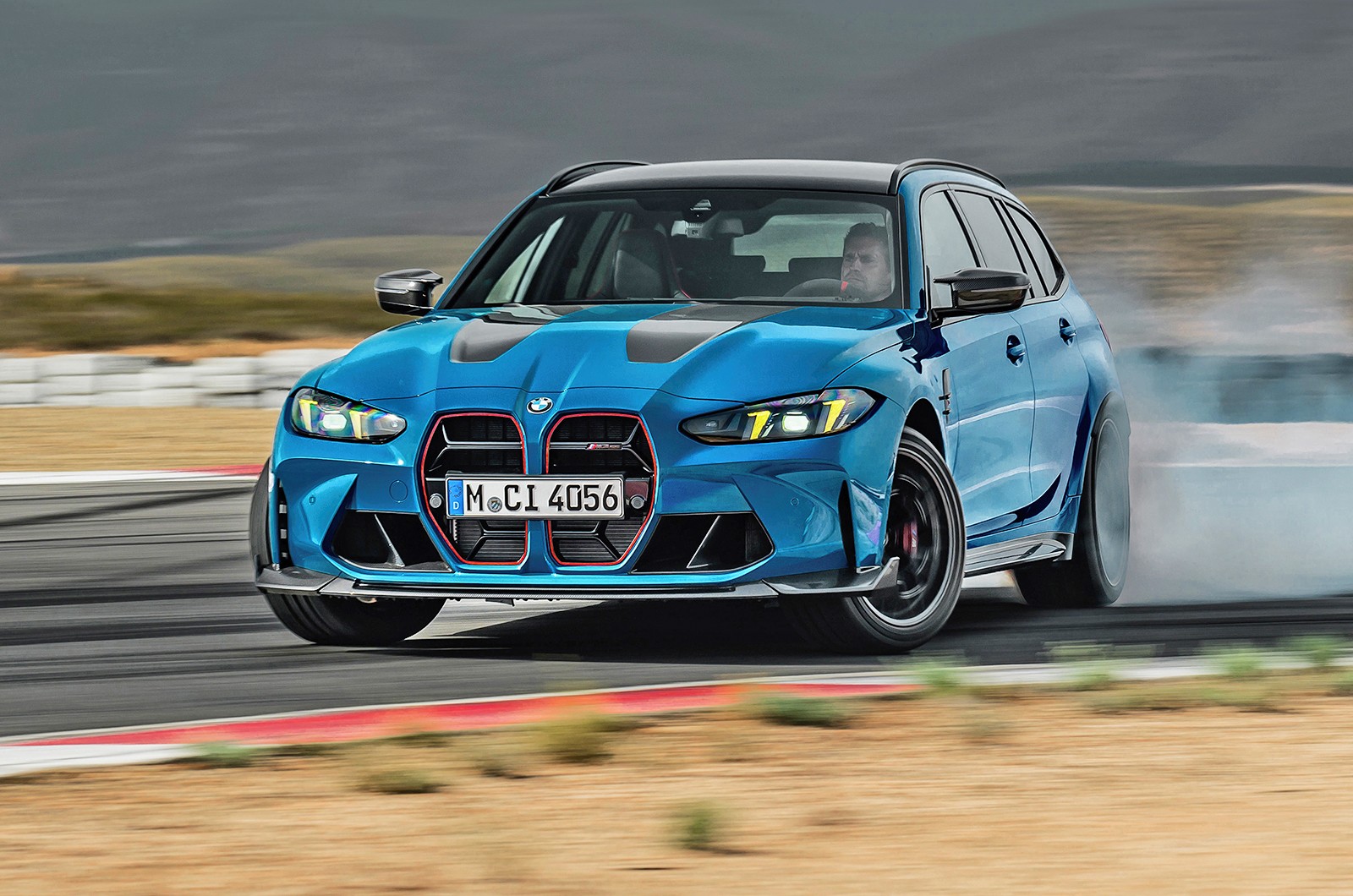
Take the BMW M3 Touring, for example. That hot-hatch wagon has earned rave reviews globally for being practical without boring the driver to death. We don’t get it. And it’s not the only one. Here’s a look at the machinery America effectively said no to, in no particular order.
Renault 4 (1961): The Honest Machine
It wasn’t fast. It certainly wasn’t sexy. The Renault 4 was just an honest car. It ticked the basic boxes: get you from A to B, reliably. Renault’s entry-level offering was ahead of its time. It featured front-wheel drive (great for snow) and a functional rear hatch. Both were rare treats before the 1970s.
Sure, putting the gear shifter on the dashboard was a novelty. Maybe it scared off some traditionalists. But this was straightforward motoring at its core. No nonsense. Just transportation that worked.
Toyota Century (1967): The Ghost of Lexus Past
When Lexus launched in 1989, it carved out space in the growing luxury market. Lexus entered every class with new tech, new luxury. But they didn’t invent the wheel from scratch. Toyota had spent over twenty years refining opulence in Japan with the Century.
This flagship sedan is the Emperor of Japan’s official ride. The second generation lasted from 1997 until 2017, powered by a massive V12. Then came the third generation in 2017. Now it’s V8-powered. It remains a symbol of understated wealth in Japan. It never stood a chance here, where luxury is usually flashier.
Renault Rodeo (1976): The Beach Car That Failed Before It Started
Utilitarian beach buggies never really took off in the U.S. partly because the donor cars often weren’t available stateside anyway. Citroën tried to push the Mehari. They failed after one year, thanks to American regulators demanding seatbelts in the convertible frame. It killed the vibe.
We think the Renault Rodeo could have won us over. It was more usable than the Mehari. Plus, Renault seemed to actually understand American consumers better than Citroën did. Too bad it never got a look-in.
Volkswagen SP2 (1977): The Brazilian Exception
Volkswagen Brazil enjoyed unusual autonomy from Germany. They didn’t just import parts; they designed specifically for the local climate and culture. The SP2 was born there, using mostly existing parts.
The chassis? Borrowed from the VW 412. The engine? A 1.7-liter air-cooled flat-four. It sounded familiar. But the look? Totally unique. Its fastback-inspired design makes the SP2 one of the prettiest Volkswagens ever made. We lost out on a slice of automotive art because of regional marketing decisions.
Lancia Stratos: Homologation Heroes
Why did Lancia build the Stratos? For racing rules, primarily. Homologation requires you to sell a small number of street-legal cars to justify building race cars.
For Lancia, already dancing on the edge of financial stability, producing these high-performance hybrids was a costly gamble. Selling them in the massive U.S. market wasn’t an option. The costs would have been too high. The logistics too complex. It’s a loss for us, and for them. A car with the Stratos’ history and style could have rescued the brand’s fading reputation in the West. It couldn’t help though, because we didn’t buy it.
Citroën GS: Crushed by Regulation
Citroën almost made it. They were ready to launch the GS in America. They even shipped small batches of test cars to dealers. They were prepping for the big entrance.
Then came the paperwork. And the safety regs.
American rules mandated a fixed ride height and other specific crash standards that clashed with the GS’s innovative hydropneumatic suspension and low-slung profile. Citroën looked at the compliance costs and the changing landscape, then pulled the plug. The GS never touched American soil, leaving a gap in the compact executive segment we’ve had to fill with other, often inferior, choices.
We’re still waiting for the next wave of global weirdness to crash through these borders. Will we see a Subaru BRAT revival? Probably not. Will we get a Ferrari 16MM? Hopefully not, the insurance premiums are too high. The cars that don’t make it here are a mystery we can’t quite solve. Maybe next time.