Buying a midsize SUV used to mean paying a heavy premium at the pump. You got the height. The space. The reassurance when rain turned to sleet. But you also accepted a tank full of gasoline that burned twice as fast as a compact car’s.
Not anymore.
Hybrid tech has finally caught up. A specific midsize model now matches, and sometimes beats, the efficiency of smaller commuter sedans. It’s not a compromise anymore. It’s an upgrade. If you need utility, this might be the one vehicle you see least often at the fuel island.
The Tech Behind The Surprising MPG Gains
Old-school body-on-frame rigs weren’t exactly MPG heroes. But modern unibody designs have rewritten the rules.
It starts with hybrid systems that don’t just assist—they recover. Regenerative braking grabs energy you’d usually waste on friction, feeding it back to the battery. That cuts engine strain significantly. Then there’s the Atkinson cycle. It prioritizes thermal efficiency over raw power, squeezing every last mile from a gallon.
Small SUVs were once left behind in the efficiency race. No more. The technology barrier has lowered. You can stop looking at MPG as the deciding factor in the SUV vs. Sedan debate. The gap has closed.
Why Saving Fuel Now Saves Actual Money
Gas prices aren’t just high—they’re volatile. And vehicle ownership costs have spiked due to the sheer weight of technology in every new car. Adding features raises the baseline cost of entry and ownership.
In that environment, fuel efficiency is a shield against rising expenses. Take the Kia Sorento Hybrid as a baseline example of what good numbers look like: 37 MPG city. Annual cost sits around $1,700 compared to a standard V6 Pathfinder costing nearly $2,700 annually.
That $1,000 difference isn’t pocket change. It accumulates. Every month. For years. Efficiency is no longer a niche preference. It’s a budget strategy.
The 43-MPG Benchmark That Beats The Competition
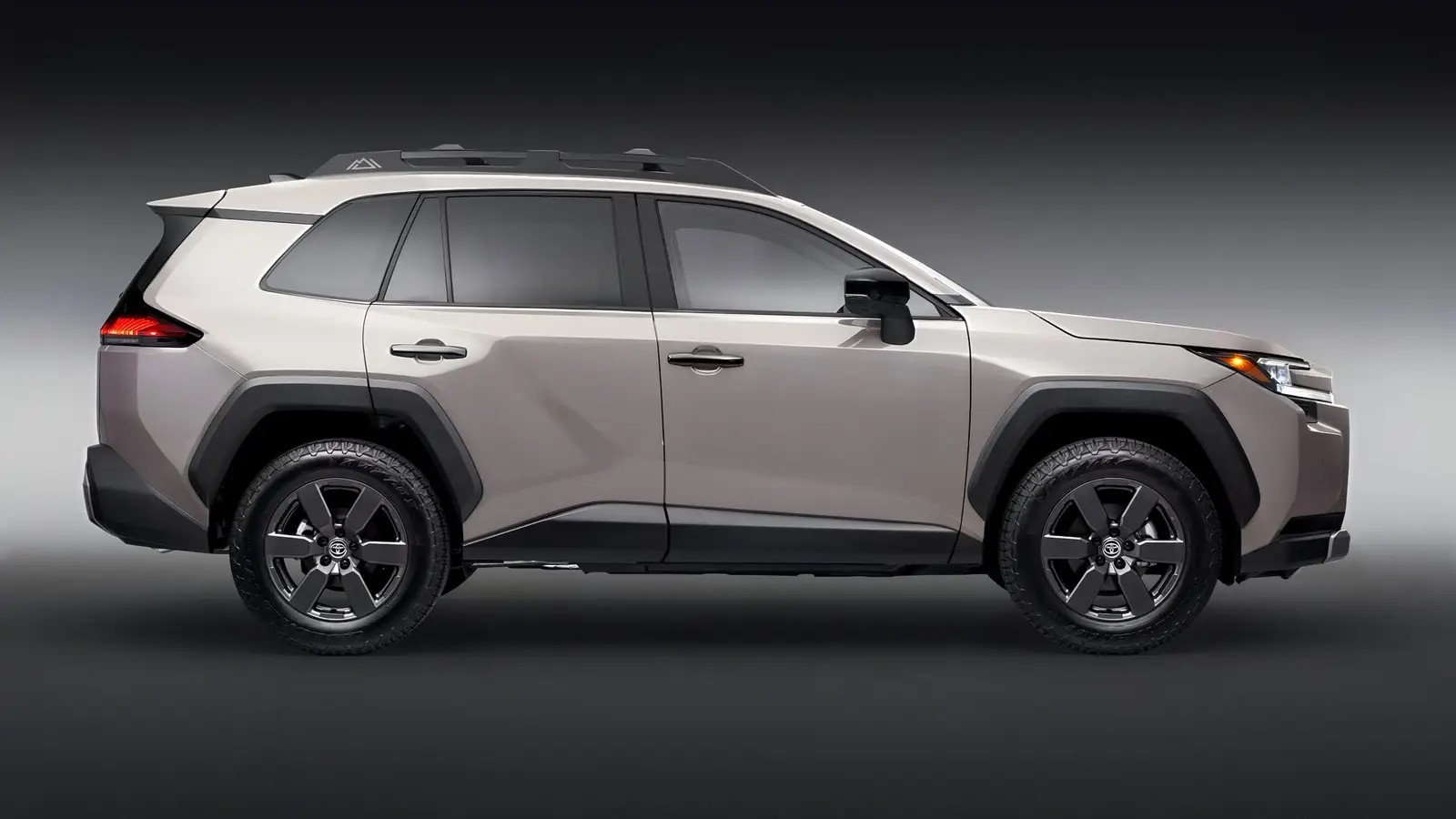
Enter the 2026 Toyota_RAV4_Hybrid. It has followed the Camry’s lead into full electrification of the lineup. Saying “RAV4” and “hybrid” together is almost redundant because that’s what the machine is.
The standard model delivers:
* 47 MPG City
* 40 MPG Highway
* 43 MPG Combined
Even if you need AWD, those numbers shift to 46/39 MPG. That’s significant power on four wheels without sacrificing the efficiency gains.
Compare this to the Kia K4 sedan. It manages 29 city/39 combined. The non-hybrid Toyota Corolla? 32 city/42 combined. The Honda Civic? Tied at the Corolla’s stats. Sure, some sedans punch out nice highway figures. But in stop-and-go traffic, where most city drivers live, the RAV4 dominates. It offers all that space while out-pacing the econo-boxes.
Real Estate In Motion: Practicality Without The Penalty
SUVs sell because they’re practical. But when those practicals are also efficient? That’s the sweet spot.
The RAV4 offers acreage inside. Real usable volume. It handles weather with higher clearance. It carries things sedans can’t dream of. Try fitting a family of five comfortably, with luggage, in a Nissan Sentra. Good luck.
The Numbers Don’t Lie: Cargo And Comfort
Here is what you get in the RAV4:
* 37.8 cu. ft. behind rear seats.
* 70.4 cu. ft. folded.
* 39.5 in. of headroom in the rear.
* 37.8 in. of legroom in the rear.
The Corolla Hatchback is the space king among those little cars with just 17.8 cu. ft. Behind it? A gap. Wide open.
The RAV4 fits four adults and a child without anyone filing for workers’ compensation. Sedans claim to seat five. But they don’t comfortably seat five. The shoulder room and headroom here match no compact car. You actually get breathing room. Literally.
R_AV4_ Vs. The Rest Of The Pack
How does this hybrid king stack up against other green SUVs?
Honda_CR_V_Hybrid:
It hits 43 city/36 HW MPG. Lower than the RAV4 in city driving. Start price? $37,080 for the Sport trim. That’s almost $4k more than the RAV4 LE base at $33,349 (est. start). Cargo? 36.3 cu. ft. folded to 76.5. Better storage volume, sure. But you lose towing capacity (1,000 lbs vs. Toyota’s 3,500). And price.
Hyundai Tucson Hybrid & Kia Sportage Hybrid:
These two Korean rivals shake up the hierarchy. The Tucson manages 38/38 MPG. The Sportage pushes 41 city / 44 highway.
On highway stretches, the Kia actually beats the Toyota.
Price-wise? The Sportage LX Hybrid starts at $31,990. It’s cheaper. It tows 2,000 lbs. It offers 39.5 cu. ft. of cargo. The Tucson isn’t far behind on storage or towing (2,000 lbs).
The RAV4 takes the L against these two on highway MPG and price. It offers slightly less cargo. It trails in tow capacity. However, the Toyota still holds the crown for overall urban efficiency. It remains the more predictable runner over varying driving styles.
One Factor Buyers Ignore Until It’s Too Late: The Warranty
This is where the blue badge shines.
Most automakers offer 8 years / 100,000-mile warranties for hybrid components. Standard stuff. Industry norm.
Toyota goes longer. 10 years. 150,000 Miles.
When you’re planning to drive a car past 150k miles, that extra decade matters. It’s insurance for your insurance.
Owning Costs: The Silent Profit Center
Fuel savings are great. But true value comes from ownership friction.
If you drive average miles (say, 12,000 to 15,000 a year), fuel savings stack up fast. But maintenance costs drag down efficiency gains. Or so you might think.
Historically, RAV4s cost around $429 a year in maintenance (RepairPal data). That is cheap. Shockingly so. However, note this: this is a hybrid-only lineup now. Data is thinner. Future maintenance trends may vary as batteries age further into retirement. Don’t treat historical averages as guaranteed law. Treat them as indicators.
Resale value helps offset that purchase price steepness. Depreciation hits fast, especially on electric-adjacent tech that changes every few years.
But the RAV4 defies that trend. Five-year depreciation sits around 28%.
Compare that to the Tucson at 47% loss.
Or the Sportage at nearly 50% loss.
Even the CR-V only beats it marginally at 29% depreciation. When the time comes to sell, the RAV4 pays you back better than its rivals.
Verdict: Smart Money
So, is the R_AV4_Hybrid the smartest efficiency buy?
If you only drive from the driveway to the grocery store and back once a week, buy a small hybrid hatchback. Keep the change. Save it in the bank. The RAV4 will idle while it’s not needed.
But if you drive daily. If you haul stuff. If you face bad weather often. The R_AV4_Hybrid_ hits the balance perfectly. It beats the Sedans at their own game. It beats most other SUVs on upfront cost. And it treats you right on warranty.
For drivers looking to slash fuel costs without shrinking their living space?
It’s hard to beat. Especially now.