October is the month.
Paris Motor Show.
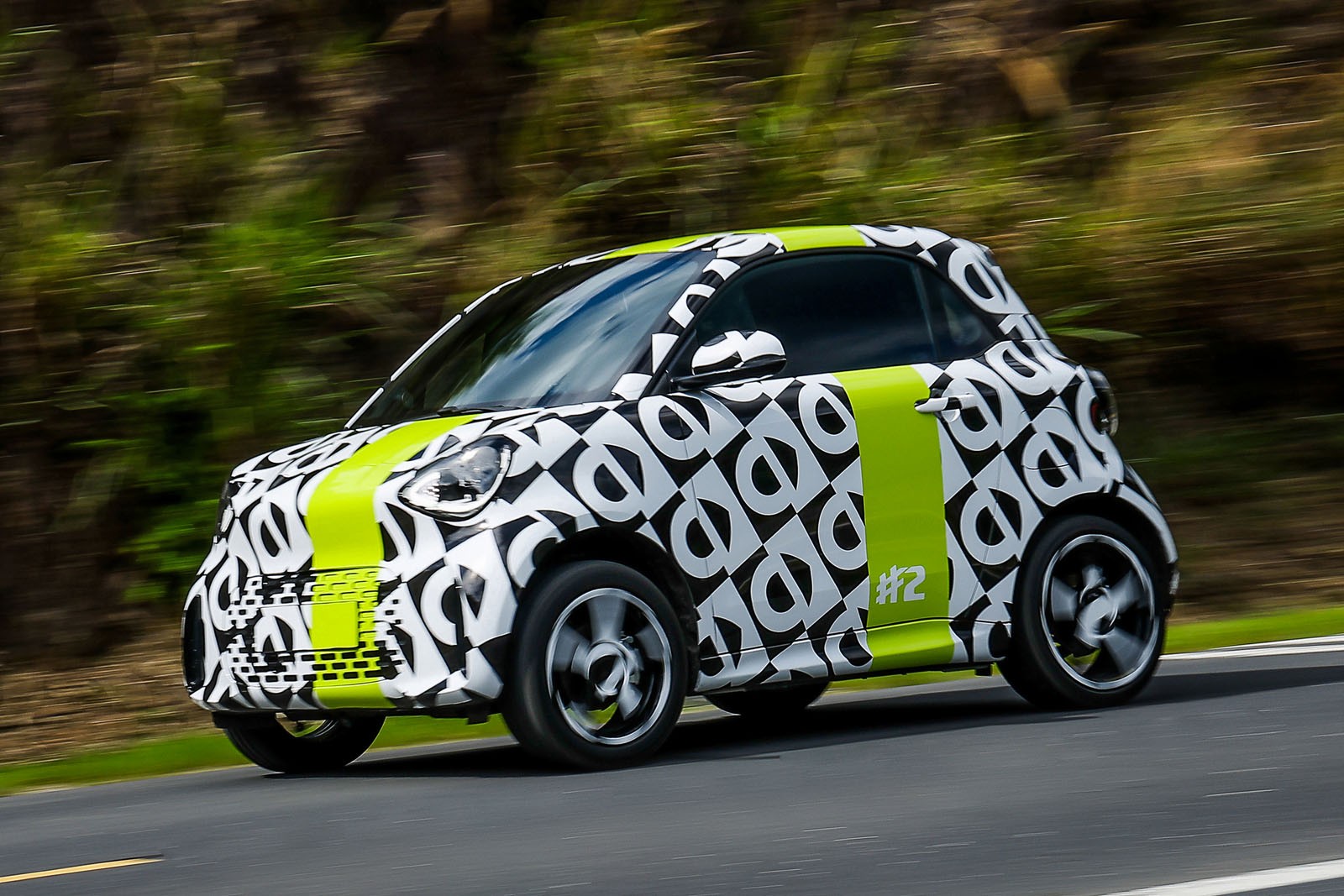
Smart is pulling the curtain back on the #2. This isn’t just another electric crossover. It’s the successor to the iconic Fortwo. The car that defined the brand.
After launching the #3, #1, and #5, Smart went full crossover. Big boxes on small wheels. Good for some. Not for everyone. The #2 is a return to roots. Compact. Two-seater. Built for the city, not the highway.
UK drivers should expect this thing in showrooms by 2025.
How the Smart #2 Redefines Compact EVs
Smart calls it “uncompromised urban capability.” That’s marketing speak for “it fits anywhere.”
The secret? Geely. The Chinese automaker co-owns Smart with Mercedes-Benz. Mercedes handled the design. Geely provided the bones: the Electric Compact Architecture. A bespoke EV platform. This matters because the old electric Fortwo sat on an ICE-derived frame. It was a compromise. This isn’t.
The result is a turning circle of 6.95 meters.
Just over 22 feet. You can spin it around in a standard UK parking bay if you’re brave enough.
At 2,792mm long, it is tiny. Seriously small. Only 100mm longer than its predecessor. That makes it the shortest electric car on sale. Barely. The Fiat 500e is almost a metre longer. Anything smaller? Quadricycles. The Citroën Ami. The Microlino. Those are technically toys. The #2 is a real car.
What’s the Range and Charging Like?
Full specs are still under lock and key until October. But Smart dropped a few key numbers.
186 miles of range. Real world? Maybe. EPA? Likely more. But for city driving, 186 miles is overkill in the best way. You won’t need to charge every night.
Charging is where it gets practical. 10% to 80% in under 20 minutes. That’s enough time to grab coffee. Or argue with a friend about the best pizza topping.
Vehicle-to-load (V2L) is standard. Plug your kettle. Your laptop. A power tool. The battery becomes a mobile generator. Useful if you forget to pack an extension cord for a weekend getaway.
Inside the Cabin: Luxury or Minimalism?
The concept car previewed earlier this year looked like this. The prototype matches. “Wheels-at-the-corners.” A boxy stance. But don’t expect spartan plastic.
Smart wants to move upmarket. Entry-level no longer means cheap. The interior will be plush. Leather. Translucent surfaces. Two-tone gold paint. Premium aesthetic. They’ve reduced the exterior to its essence, but inside? It’s about tactility.
There’s talk of swapping front seats for a bench. Smart claims this frees up space. Makes sense. Less metal in the footwell means more room for knees. Or storage.
“The Concept #2 elevates the city car beyond mere utility.”
But will it feel premium? Or just dressed up? That remains to be seen. The design is minimal. Reduced to essence. Does a gold interior clash with a “reduced” exterior? Or does it elevate it?
Why This Matters
The Smart #2 isn’t trying to beat the Tesla Model Y. It’s trying to bring back the soul of the Fortwo. Small. Agile. Electric. But with enough tech to feel modern.
The Fiat 500e is popular. But it’s bigger. Heavier. More expensive. The #2 undercuts it on size. Price? Not yet revealed. But if Smart is serious about “maximizing interior space,” we might see a surprisingly generous cabin for such a short wheelbase.
Is it enough to lure buyers back from the ultra-compact trend?
The Paris show will tell.
Until then, we watch the prototypes. We see the gold paint. We wait for the official unveil.
One thing is certain. Smart is back to being small. And maybe that’s exactly what the market needs. Not another SUV. Not another crossover. Just a small car. That works.
How small will you go?