For a long time, buying a collector car felt like a one-way trip to the moon. Prices only went up. It felt safe. It felt easy.
Now, gravity has reasserted itself. Even the most beloved icons aren’t immune to market forces. Hagerty’s latest data drop confirms what some of us suspected: the era of blind enthusiasm is over, and specific, long-held favorites are taking a hard hit.
Jeep CJ-7 Values Take a Sharp Hit
If you owned a CJ-7 between 1976 and 1986, you might be noticing something uncomfortable in your wallet. These vehicles have seen average values tumble by 22%.
That isn’t a minor dip. It’s a crash for a segment that spent years enjoying robust demand. Hagerty notes that CJ-7s are struggling to hit previous price expectations. Some are selling for less than appraisals suggest. Others are just sitting there. Unsold.
This shift is significant because the CJ-7 was considered one of the safer bets in the hobby. It wasn’t a speculative bubble; it was a steady climber. That stability is now fractured.
Muscle Cars and Corvettes Cooling Off
The decline isn’t isolated to Jeeps. The broader classic car market is showing broad weakness in specific categories.
- Buick GS Models: The torque-monsters from 1968 to 1992 dropped 18% in value.
- VW Type 2 Buses: The split-window era buses fell 16%.
- Corvette LT1s: The high-revving, solid-lifter small-blocks (1970-1972) slid 15%.
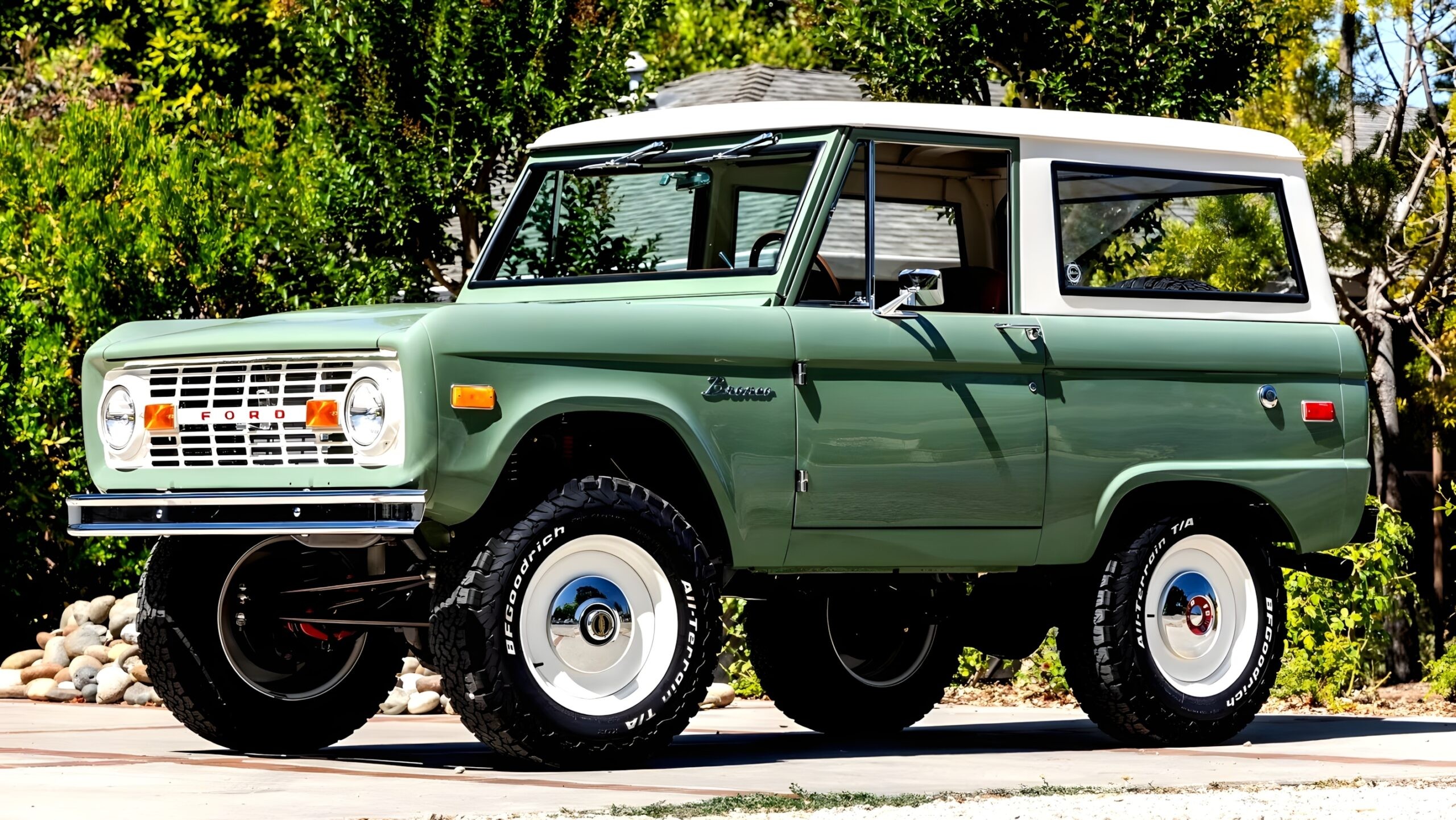
- Ford Bronco: Even the first-gen Broncos saw a 12% decline.
Why are these specific models falling while others hold steady? It’s likely a combination of oversaturation and a change in buyer psychology.
The Split Market: Blue-Chip vs. Mainstream
Don’t panic. This isn’t the end of classic cars. Hagerty’s full analysis suggests the market is splitting into two distinct camps.
On one side, you have “blue-chip” collectibles. These are the rare, untouched originals. They continue to attract deep-pocketed collectors who don’t care about monthly trends.
On the other side is the mainstream enthusiast market. This is where your average restomod, your well-kept CJ-7, and your project Bronco live. This segment is cooling off rapidly.
Are VW Buses Still Worth $200,000?
Let’s address the elephant in the room. Yes, a pristine 1975 Volkswagen Samba bus once fetched over $200,000 in recent years. It was a poster child for the boom.
But that doesn’t mean the sky is falling for all air-cooled Volkswagens. It means the specific hype around ultra-low-mileage, concours-level Buses has deflated. For most other Type 2s, the value is adjusting to a more realistic baseline. The days of buying any old Bus and flipping it for a fortune are over.
Why Buyers Are Pulling Back
Private-sale activity has softened. Insured values aren’t climbing as fast as they did two years ago. Average transaction prices are under pressure.
Is this because enthusiasts suddenly hate Broncos or Corvettes? No. People still love these cars. It’s more likely a correction. After years of rapid, almost irrational appreciation, the market is exhaling. Buyers are cautious. Sellers are realizing that “what you paid” is not “what you’ll get back.”
What This Means for You
If you were watching dream cars climb beyond your reach, take heart. The market may finally be giving buyers leverage again.
The urgency to “buy now or cry later” has faded. For the first time in a decade, you might actually be able to negotiate. You might find a CJ-7 that needs a little TLC, priced fairly. You might find a Bronco that’s been sitting too long, with a motivated seller.
This isn’t a crash. It’s a reset.
The wild west days are pausing. Now, you have to do your homework. You have to look past the hype. You have to find the value that remains.
The party slowed down. But the music hasn’t stopped.