A heated dispute over marketing ethics has erupted between Chinese EV newcomer Li Auto and automotive giant Nissan, drawing the attention of Chinese regulators. What began as a battle for market share in the mid-range SUV segment has transformed into a formal investigation into whether coordinated “smear campaigns” are being used to influence consumer perception.
The Core of the Conflict: Allegations of Digital Sabotage
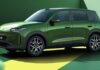
The friction ignited following the launch of the Nissan NX8. According to Li Auto’s legal department, the rollout was accompanied by a sudden surge of highly similar online posts that compared the NX8—often favorably—against Li Auto’s models, such as the i6.
Li Auto has raised several red flags regarding these comparisons:
– Coordinated Timing: A massive volume of posts appeared within a very narrow timeframe.
– Concentrated IP Addresses: The digital footprint of these posts suggests they originated from specific, centralized locations rather than organic consumer discussions.
– Targeted Content: The company alleges these are “organized smear campaigns” designed to undermine their brand.
In response, Nissan’s NEV division head, Wang Qian, maintained that the company “adheres to industry rules and advocates fair competition,” though he stopped short of addressing the specific allegations of coordinated marketing.
Shifting Market Dynamics: A Tale of Two Trajectories
This dispute is not merely about social media posts; it is a symptom of a massive shift in the Chinese automotive landscape. The data reveals two companies fighting for relevance in very different ways:
The Li Auto Recovery
After a difficult 2025—marked by an 18.8% drop in deliveries and declining profits as the company struggled to transition from extended-range vehicles to pure battery-electric models—Li Auto has seen a dramatic resurgence. In early 2026, the company reported a massive 173% year-on-year increase in March deliveries, driven largely by the success of the i6 battery-electric SUV.
The Nissan Challenge
While Nissan maintains a much larger overall scale, its growth in China is uneven. Much of its volume remains tied to legacy models like the Sylphy sedan. In early 2026, Nissan saw a 30% year-on-year decline in sales during the first two months, highlighting the difficulty traditional joint-venture brands face when competing against agile, domestic EV manufacturers.
Why This Matters: The Battle for the Middle Class
The rivalry between the NX8 and Li Auto’s lineup highlights a critical “battleground” in the Chinese market: the 150,000–300,000 yuan ($22,200–$41,700 USD) segment.
This is the sweet spot for family SUVs, and the competition here is becoming increasingly aggressive. As domestic NEV (New Energy Vehicle) makers like Li Auto master battery technology and smart software, traditional giants like Nissan are fighting to defend their territory by offering competitive pricing—such as the NX8’s entry point of 159,900 yuan.
This convergence of domestic tech-focused brands and traditional joint-venture manufacturers is creating a high-pressure environment where marketing tactics are being pushed to their legal and ethical limits.
Regulatory Intervention
The controversy has officially moved beyond the boardroom. Reports from the financial outlet Caijing indicate that China’s Ministry of Industry and Information Technology (MIIT) took notice of the online activity on April 11. The Ministry has reportedly held discussions with representatives from both Li Auto and Dongfeng Nissan to investigate the nature of the online discourse.
The outcome of this regulatory scrutiny could set a precedent for how much “comparative marketing” is permitted in the hyper-competitive Chinese EV market.