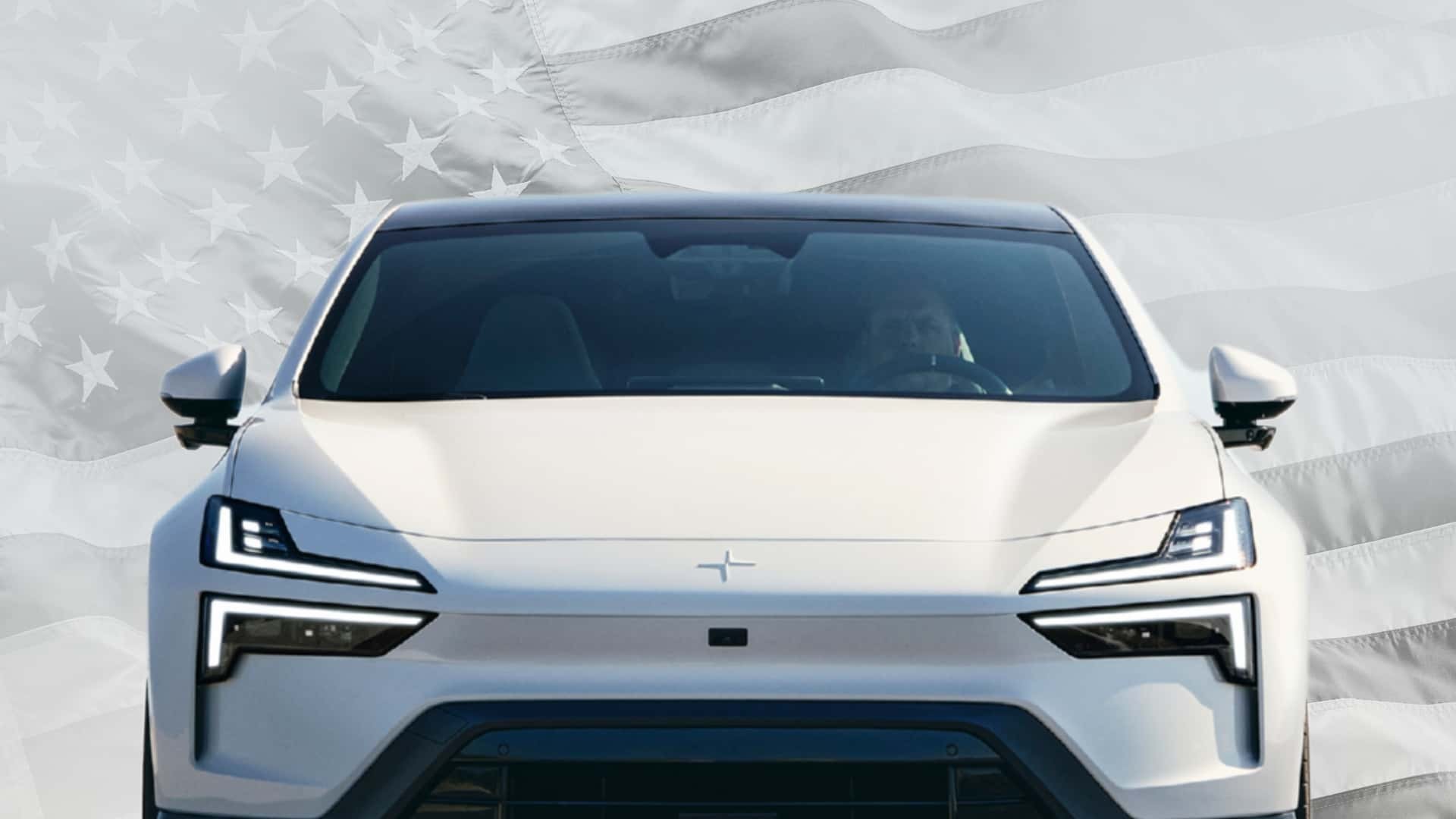
It’s over. Polestar is done.
The Swedish EV maker, which is owned by China’s Geely Holding Group, won’t be fighting the US Commerce Department. That department blocked future vehicle sales because of new security rules targeting Chinese software.
The ban takes effect with the 2027 model-year. Polestar isn’t appealing. They aren’t suing. They are just leaving.
According to the Wall Street Journal, the company decided an appeal wouldn’t succeed after “significant dialogue” with officials. Polestar spokesman Michael Ofiara put it plainly: they are shifting investments to Europe.
“We will instead focus our investments on markets where we have a strong brand position and ability to achieve profitable growth,” he said.
Heavy weighting toward Europe. That’s the plan.
Why Polestar Didn’t Get an Exemption
Here is the messy part. The ban isn’t just about ownership. It’s about the tech in the cars.
US officials say connected cars with cameras, GPS, and internet access pose a national security risk if foreign adversaries control the data. The new rules prohibit Chinese software in these vehicles starting in 2027.
Polestar asked for a waiver. They were denied.
Volvo? Volvo got approved earlier this year.
Both are majority-owned by Geely. Both share engineering. They even build cars together at the same South Carolina facility. The Commerce Department won’t say why one got a pass and the other didn’t.
“Volvo… received that approval earlier this year… The Commerce Department has declined to explain,” reports Motor1.
One gets to sell. The other gets blocked. The logic isn’t transparent.
The Reality of Polestar’s US Presence
Irony is the only thing Polestar brings to this story: they barely sold Chinese-built cars in the US to begin with.
The Polestar 2 was already gone, killed by tariffs.
The Polestar 3 is built right here in South Carolina, alongside the Volvo EX90.
The new Polestar 4 comes from South Korea.
So why ban a company that doesn’t manufacture locally? The ban hits the software, not just the steel. If the code is Chinese, the car stays out.
“US officials argued that cameras, GPS systems… could pose national security risks.”
Polestar claimed it was denied authorization despite its production setup. Geely tried to argue its case. The US said no.
What This Means for Buyers and Owners
This exit isn’t clean for existing owners.
Resale values will take a hit. When a company leaves a market, support questions linger. Software updates might stall. Parts become scarce. Prices drop.
Right now, Polestar is dumping inventory to clear space. Discounts reportedly reach $25,000.
That sounds like a deal. Until it isn’t.
You buy a car now, you gamble on the brand’s lifespan. Polestar’s US life span ends next year, effectively.
A Signal for Other Automakers
Polestar’s departure raises a bigger question. How strict will the US get with connected-car rules?
Volvo stayed in. Polestar got kicked out. Both are Geely. The different outcomes suggest a case-by-case approval process that is opaque.
Other automakers with Chinese ties or supply chains will watch this closely. Is it worth the risk to stay? Or is the regulatory environment too volatile?
Polestar chose Europe. They picked the market where they feel safe. They picked the place where the brand holds weight.
The US market is big. It’s profitable. It’s tempting.
But not if the government can ban your software overnight.
So, what happens to the Polestar 3s parked in South Carolina dealerships? They’ll sell. For a while. Until the price drops too low, and the brand vanishes into memory.
A slightly open ending, perhaps. For Polestar, the ending was decided for them. For US car buyers, the next chapter is written in code we can’t read.