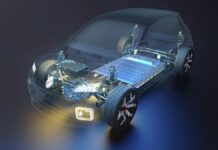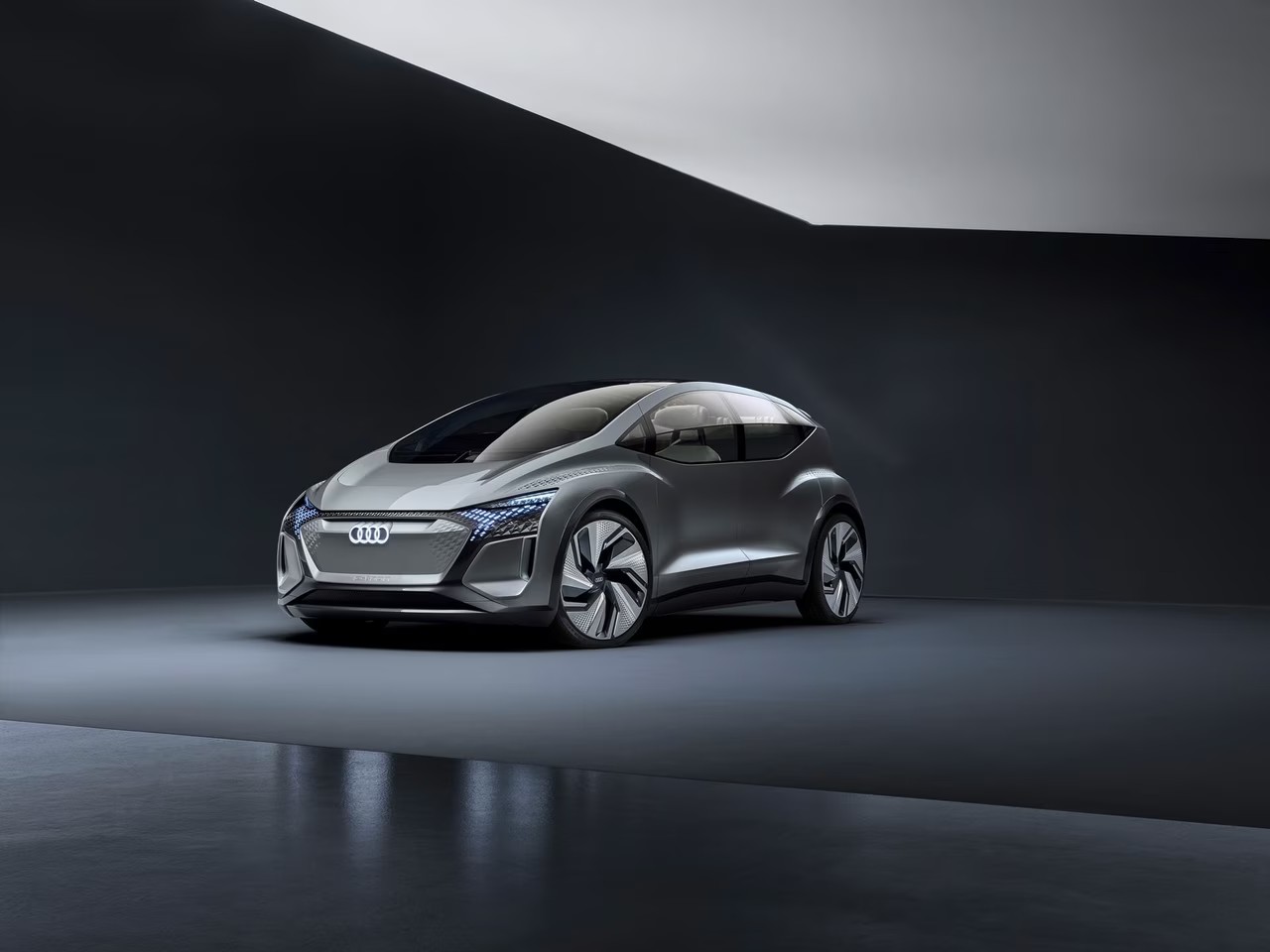
The #Audi AI:ME concept: redefining the urban electric car as a rolling lounge
Meanwhile, Volkswagen stole the headlines at the Shanghai Auto Show with its big, solid ID. RoomZZ electric SUV concept, Audi has chosen a completely different route. They choose things that are small, compact and smart. The result is the 5-door city car, Audi AI:ME, which proves that you don’t need a huge vehicle to show the future of mobility.
AI:ME is only 4.30 meters long, but surprisingly wide at 1.90 meters, which gives it a sense of volume. Its boxy, unassuming design has one main purpose: to reimagine the commuting experience. But this is not a business trip in the traditional sense. It’s not a just a car. It’s a rolling lounge.
Living rooms without walls
When you step inside, the traditional notions of the car are shattered. There is no traditional cockpit layout. Instead, Audi has removed the central transmission tunnel and eliminated the B-pillars front and rear doors. The doors themselves are antagonistic and when they open, they form a wide and barrier-free entrance.
The cockpit feels more like a modern apartment than the inside of a car. The back seat resembles a luxurious sofa, and the back of the seat sits seamlessly against the side panel, so the space should be utilized to the maximum. To create the illusion, Audi has installed cross beams made of wood on the roof, imitating a pergola. True vines grow around these supports.
Plants are not just for decoration. Audi claims they clean the air and help increase passengers’ sense of connection with nature.
The glass surface is impressive. Electro-chromic tinting is used in the large windows, allowing passengers to adjust the amount of tint on the spot. The open floor plan and the combination of soft materials create a calm and comfortable atmosphere, far from the hustle and bustle of city traffic.
Technology That Disappears
For a car that promises level 4 autonomy, the user interface design is deliberately understated. When AI:ME goes into self-transit mode, the steering wheel and pedals retract into the dashboard. They don’t just hide, they disappear into compartments.
Passengers can control the infotainment system through various touch points. Voice commands are available. A touch screen is also available. But Audi has also integrated virtual reality glasses to provide immersive entertainment, making surfing the web, playing games and watching movies a fully immersive experience. Eye-tracking technology also plays a role, suggesting that cars can predict your needs based on where you’re looking.
It is very smart, but also very empathetic. The goal is not just to move. The purpose of this is to make transit more efficient or relaxing, not a waste of time.
Specs That Serve the City
AI:ME is essentially a pure electric city runabout. It is powered by a 125 kW (170 hp) electric motor, which is powered by a 65 kWh battery. Audi has yet to release official range figures, but based on intended use, that’s secondary.
The car is designed for use in an urban environment, especially at speeds of 20-70 km/h. The lightweight construction and energy recovery system emphasize efficiency over durability. Long road trips are not a priority. Make the last mile of your commute comfortable.
The exterior is as futuristic as the interior. A network of triangular LED light bars is embedded directly into the bodywork. These lamps have two purposes: lighting and communication. In autonomous mode, AI:ME can bridge the gap between machines and humans by communicating its intentions to pedestrians and other drivers through dynamic light patterns.
What does this mean for the future of Audi
Audi AI:ME will not be in showrooms next year. It is a concept car and a proof of technology. However, the DNA will be bleed into future models. Audi has made it clear that its goal is to create cars that are “intelligent and empathetic.”
This means that the car can adapt to the environment and the needs of its passengers. The car understands the context. This philosophy is reflected in almost every car manufacturer that promotes self-transit, but Audi focuses on the experience of the interior rather than just power and range.
The era of driver-centric cabs is changing. The passengers finally taking the wheel, metaphorically speaking. In AI:ME, the journey is more important than the destination.
The mid-engine revolution is starting to take shape
The frame is no longer just a bathtub. It is a stressed member. The engine is bolted Direct to the aluminum frame, which acts as the backbone of the entire vehicle. This setting changes everything in terms of weight. What you’re looking at is an almost perfect 50/50 weight distribution. It is not an approximation. Exact.
Why is this important? Because the mid-engine layout eliminates the understeer problem that plagues front-engined supercars. When you turn, the rear pushes. The front follows. It feels telepathic. The steering ratio is fast. It might be too fast for traffic, but it’s great for a canyon run.
Transmission options and performance
There are two main flavors to choose from. The standard V8 engine produces 640 horsepower. The torque is 600 Nm. Spins up to 8500 rpm. The SVJ of the top model has increased power to 780 horsepower. Yes, almost 800. 0-60 time? 2.9 seconds. In a car weighing more than 1700 kg.
The transmission is a 7-speed double clutch. Quick gear change. Be relentless and downshift when necessary. But it’s not just straight-line speed. The real trick is how to manages torque vectoring. Sends power to each wheel and turns the car in tight corners. Less steering power is needed. Go faster.
Aerodynamics That Stick
Look at the rear. This active spoiler is not just for show. Adjusts in milliseconds based on speed and throttle input. It remains smooth at low speeds, reducing drag. At a speed of 150 km/h, it rises, generate downforce. How much? The downforce at top speed exceeds 1000 kg. That’s more than the weight of the car. if you drove up a vertical wall, it will stick to the ceiling.
The front splitter is made of carbon fiber. Heavy duty. It directs air under the car, creating a Venturi effect. Sucking the car down. Side vents aren’t just for style. They feed the brakes and the engine. Cooling is very important. Excessive heat reduces performance. These air intakes ensure the radiators stay happy even while driving on the track.
Interior: Driver-oriented, not luxurious
Step inside. You won’t find a infotainment screen is bigger than your face. The digital cluster are small. Direct. Shows gear, speed and G-forces. That’s it. The center console is a carbon fiber panel. Buttons for drive modes. ESC is off. Launch control. There is no menu. No digging.
The seat is bucket-style. Fixed backrests. Slip on and buckle. The helmet fits. Barely. Visibility is poor. Blind spots are big. Cameras are required for parking. But that’s the point. This is not an everyday driver. This is a tool. A sharp tool designed only for going fast.
Driving experience
Put the key in. Start it. The exhaust note is raw. Unfiltered. It cracked like a whip. When you let out the clutch, the bite point will be higher. Easy to stall. Intentionally so. It forces you to be precise.
Press the throttle