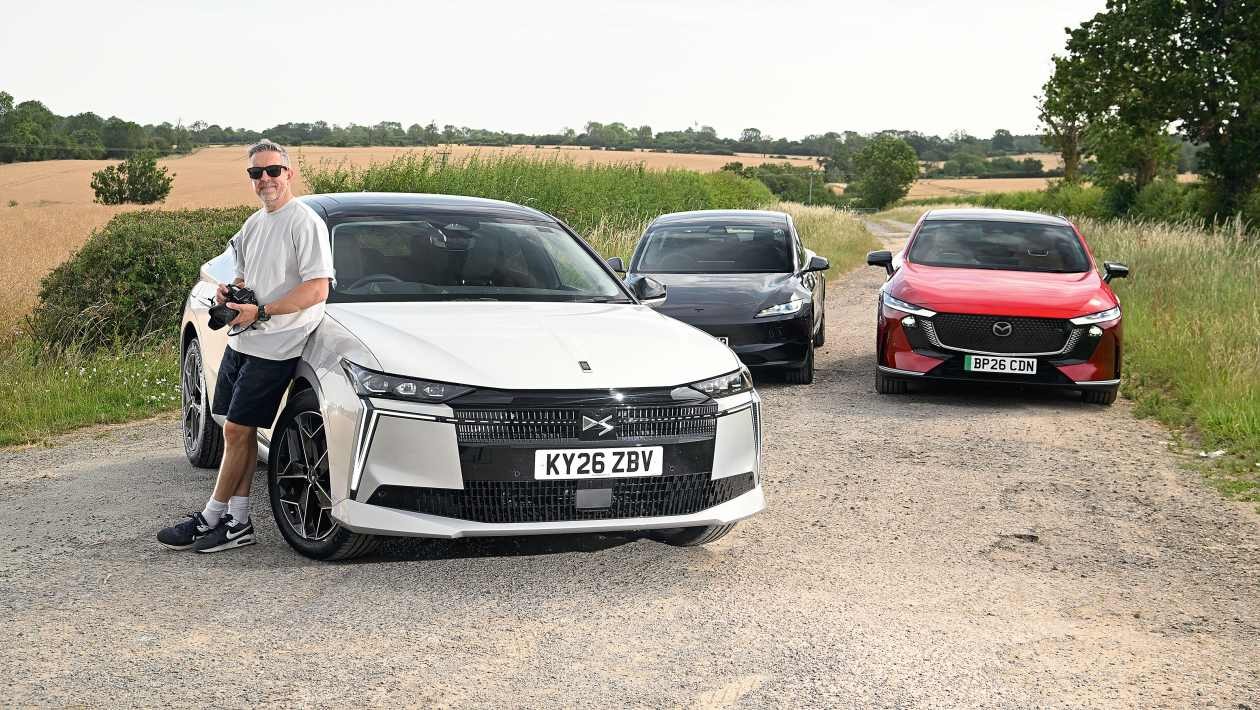
I’m still not totally convinced. Not that the DS 4 justifies its asking price on paper. But that style? It’s hard to argue with. Rivals would kill for that kind of presence. And in the UK market, where low-cost Chinese EVs are eating everyone’s lunch, that premium edge might be the only thing keeping brands like DS afloat. I’m eager to see if it can survive a photographer’s chaotic lifestyle.
Mileage: 1,161 miles. Efficiency: 44.0 mpg.
The intrigue is real. This isn’t just another upmarket hatchback from France. The old “DS” nameplate was a nod to Déesse —the French word for goddess. That’s a high bar to clear, right?
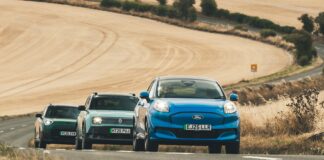
The car has already been put through its paces in our Mazda versus Tesla twin-test. It’s handling the pressure well. Underneath, it shares the EMP2 platform with the Peugeot 5008 and much of Stellantis’ lineup. Same hybrid system. Same bones. When you have Citroen and Vauxhall using similar running gear, DS needed to make its hatch stand out. It needed to justify that £41,250 sticker price once options are added.
That puts the No4 in an exclusive club. It costs more than the larger Mazda and Tesla EVs we tested alongside it.
Visuals that scream premium
First impressions matter. And visually, the DS 4 pulls its weight. Our tester is in Pearl Crystal with a Perla Nègre black roof and 19-inch Sapporo alloy wheels. The look is defined by dramatic, zig-zagging daytime running lights. It has angular lines with subtle hints of Audi design language, but with significantly more bling.
The ‘DS AUTOMOBILES No 4’ lettering on the bootlid misses the mark. BYD gets it. Less is more.
Despite that branding misstep, the exterior remains an appealing object. The interior matches the promise. Subtle brown diamond-cut Nappa leather meets piano-black plastic. The latter always looks stunning in handover. It rarely stays that way. Scratches are inevitable. We’ll see how long this specific trim survives.
The cabin is littered with metal-effect flourishes. The recurring diamond theme creates an Art Deco vibe unique to the brand. It feels far more premium than other Stellantis hatches.
The practical photographer’s compromise
Switching from a Nissan Qashqai to a French hatchback isn’t the obvious move for a gear-heavy photographer. My equipment takes up space. But forward planning bridges the gap. The DS meets my needs. And there’s a bigger draw: the petrol hybrid powertrain. It’s better suited to my long-distance travel than an EV or even a plug-in hybrid.
Our first shoot required a trip from Essex to Leicestershir and back. Do you really want to plan an EV route for that? I don’t.
So far, the DS covers every obvious requirement for a long-term test car.
The ride is soft. The hybrid system is responsive. The economy is good. Once you adjust to the quirks—window controls sitting high on the door, an armrest that is essentially a sliver of leather—the interior clicks. It exudes a luxury vibe.
Seats are supportive. The boot swallows most of my photography gear. The cabin has enough nooks for coffee cups and petrol station sandwiches.
DS 4 Hybrid E-Tense Etoile Nappa specs
Model: DS 4 Hybrid E-Tense Nappa
On fleet since: June 2026
Price new: £37,815
Options: Metallic paint/black roof (£945), Absolute Comfort (£1,600), Tech Pack (£650).
Powertrain: 1.2-litre 3-cylinder petrol Mild Hybrid.
Output: 134bhp / 230Nm.
CO2: 117g/km.
Insurance: Group 24 (Quote: £1,116).
Mileage: 1,161 miles @ 44.0 mpg.
Any problems? None so far. The DS 4 Hybrid is holding its ground. It’s stylish. It’s efficient. Whether that’s enough to compete in a market shifting rapidly toward budget EVs remains to be seen. I’ll keep driving.