


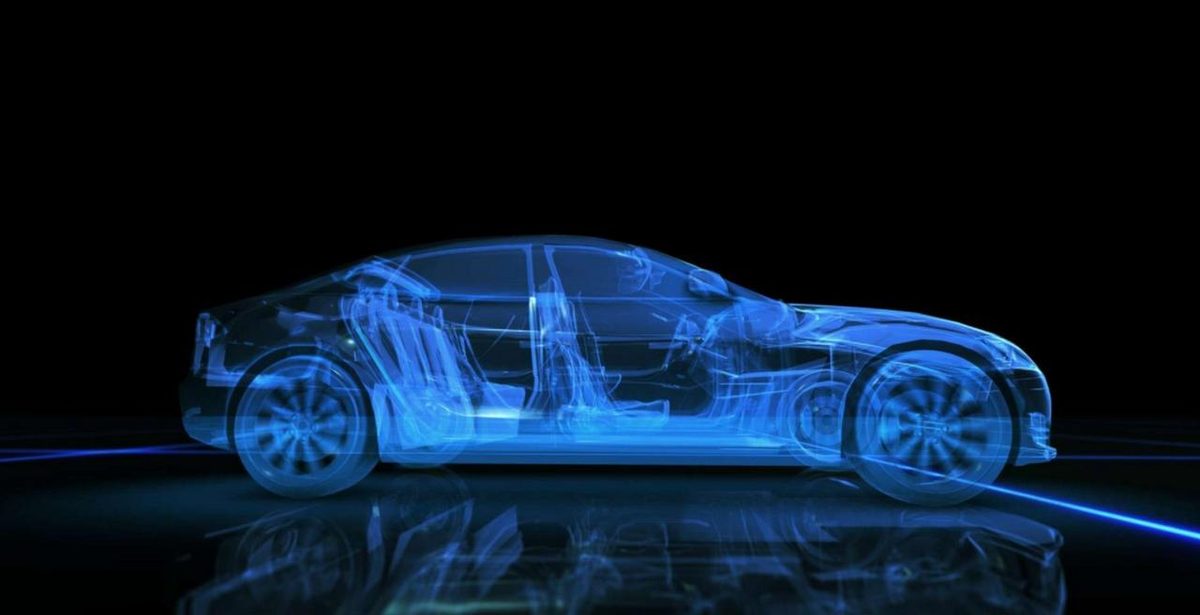
Apple is finally showing real movement on the battery front for its long-rumored electric vehicle, according to sources close to the company. The fruit company is reportedly in early-stage negotiations with two major Chinese battery giants: Contemporary Amperex Technology (CATL) and BYD. This is a significant shift from the earlier speculation that Apple might partner with Hyundai or Kia for full vehicle manufacturing. Those talks appear to have stalled, leaving Apple to focus more heavily on sourcing its own core components, specifically the energy storage system.
Why Apple Is Looking at CATL and BYD
Both suppliers are heavyweights in the EV sector. CATL is already the primary battery supplier for Tesla, giving it proven track record in high-volume production. BYD, meanwhile, has a vertically integrated supply chain that makes it a compelling partner for cost-efficient manufacturing.
The catch? Apple demands that these manufacturers build dedicated plants on US soil. This requirement stems directly from the ongoing trade friction between Washington and Beijing. For CATL, moving production lines to the US is a massive financial hurdle. Capital expenditure for new facilities is astronomical, and the company has traditionally resisted this kind of domestication pressure. If Apple insists on US-based manufacturing, it could force a difficult compromise or push the project back into the speculative realm.
The Tech: Cheaper LFP Batteries
Reuters had previously reported that Apple is developing a revolutionary battery using lithium iron phosphate (LFP) chemistry. Unlike the nickel-cobalt-aluminum (NCA) or nickel-manganese-cobalt (NMC) packs found in most premium EVs, LFP cells are significantly cheaper to produce and offer better thermal stability. They trade some energy density for longevity and safety, which fits Apple’s likely goal of a durable, mass-market product rather than a hyper-performance niche car.
This isn’t the first time LFP has been linked to the Apple Car project. Since the Project Titan rumors began in 2015, the technical spec has bounced around. But the LFP angle makes sense for a company that wants to undercut traditional automakers on cost while maintaining high margins.
What Does the Spec Sheet Look Like?
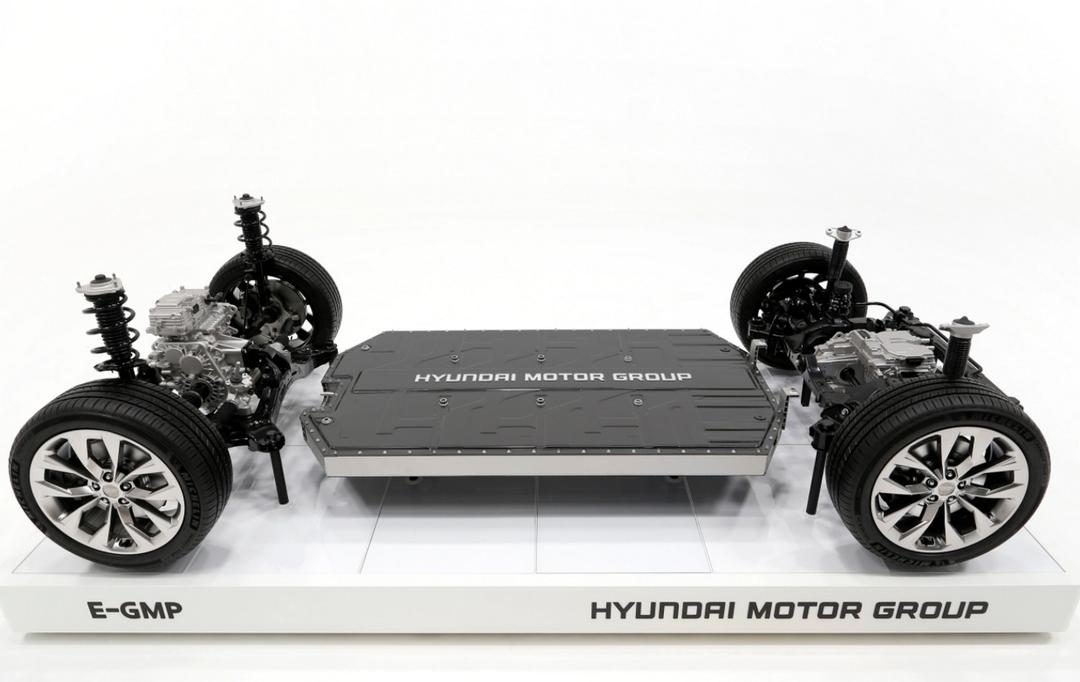
While final details remain guarded, analyst Ming-Chi Kuo and other industry watchers have pieced together a likely profile based on the E-GMP platform (Hyundai’s EV architecture), which Apple was previously linked to. If the Apple Car leverages similar tech or similar suppliers, the numbers look aggressive:
- Autonomy: Over 500 km (roughly 310 miles) on the WLTP cycle.
- Charging: 80% charge in approximately 18 minutes using 400V/800V bidirectional charging.
- Performance: 0-100 km/h (0-62 mph) in under 3.5 seconds.
- Top Speed: Capped around 250 km/h (155 mph).
These figures suggest a vehicle that isn’t trying to be the fastest EV on the road, but rather the most convenient and integrated. The 18-minute charge time is the key differentiator here. Most competitors are struggling to get below 20 minutes for an 80% top-up, so Apple is aiming to make the charging experience nearly as fast as a gas fill-up.
The Uncertainty Factor
Despite the battery talks, the overall picture remains murky. Recent reports suggest that key engineers and executives focused on autonomous driving have left Apple. This raises questions about whether the company is still committed to building a self-driving car or if it has pivoted to licensing its driverless technology to other automakers.
The timeline for a launch is still debated. A 2025 release is considered optimistic by many analysts, given the complexity of entering the auto market. Apple would likely need to focus on software, autonomous hardware, semiconductors, and user experience integration, while relying on partners for the physical chassis and battery manufacturing.
Will we see an Apple Car in our driveways? The battery negotiations are a concrete step, but the corporate confusion and regulatory hurdles suggest that the road to production is still long and winding. For now, the LFP battery is the most tangible piece of the puzzle.

Why Apple Might Skip Foxconn for the Apple Car Project
Ming-Chi Kuo points to a broader strategy than just a single OEM deal. He suggests Apple is likely negotiating with multiple manufacturers to cover different geographic bases. Hyundai handles the Asian market, General Motors dominates the United States, and Stellantis has a strong foothold in Europe. This multi-partner approach allows Apple to leverage existing global manufacturing networks without building its own plants from scratch.
One name is conspicuously absent from this list: Foxconn.
It seems counterintuitive given Foxconn’s role as the assembler for most Apple hardware. The Taiwanese giant launched its MIH platform in October, a complete chassis and powertrain system designed for electric vehicles ranging from sedans to SUVs. Foxconn pitched MIH as the “Android of the electric vehicle industry,” an open-source hardware layer for any carmaker to use. Apple, however, prefers tight, proprietary control over its ecosystem. An open platform model clashes with that philosophy, which is likely why the partnership isn’t on the table for the Apple car, despite Foxconn’s capabilities.
How the Hyundai Partnership Works Technically
Hyundai confirmed talks with Apple in a statement to CNBC, noting that discussions are in early stages and nothing is finalized. The South Korean giant offers the E-GMP platform, a dedicated electric vehicle architecture that supports 800V fast charging. This infrastructure is critical for reducing charging times and improving battery efficiency, a key differentiator for a high-end EV.
Apple could build its vehicle on this backbone. Reports indicate Apple engineers are developing a proprietary lithium-fer-phosphate (LFP) battery. LFP chemistry is known for its thermal stability and longer cycle life compared to the nickel-cobalt-manganese (NMC) batteries used by many competitors. If Apple pairs its own LFP battery pack with Hyundai’s 800V E-GMP chassis, the resulting vehicle would benefit from both advanced charging speed and a potentially longer-lasting, safer battery system.
Apple has not commented on these reports, maintaining its standard silence on unannounced hardware.
Which Tesla Engineers Joined Apple’s Autonomous Car Team
Bloomberg reports that a small team at Apple is actively working on an autonomous electric vehicle, with a potential launch window of five to seven years. The project isn’t theoretical; Apple has been testing its proprietary hardware and software stack for autonomous driving for at least three years.
The hiring of specific talent signals the scope of the work. Engineers from Tesla have joined the project, some focusing on propulsion systems, others on safety protocols, and others on the interior cabin design. This is significant because Tesla is the current leader in vehicle-based AI and autonomous driving data collection. Poaching talent from a direct competitor suggests Apple is closing the gap in real-world driving experience and sensor fusion.
The team managing Apple’s custom Arm processors, the same architecture found in iPhones and Macs, is also reportedly involved. This implies the vehicle’s brain will run on custom silicon, likely optimized for both infotainment and autonomous driving tasks. The secrecy surrounding this team is notable, especially since Apple typically enforces strict NDAs with partners. Hyundai’s public acknowledgment of talks is a rare breach of that silence, suggesting the negotiations have moved beyond the initial whisper phase.


