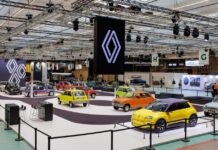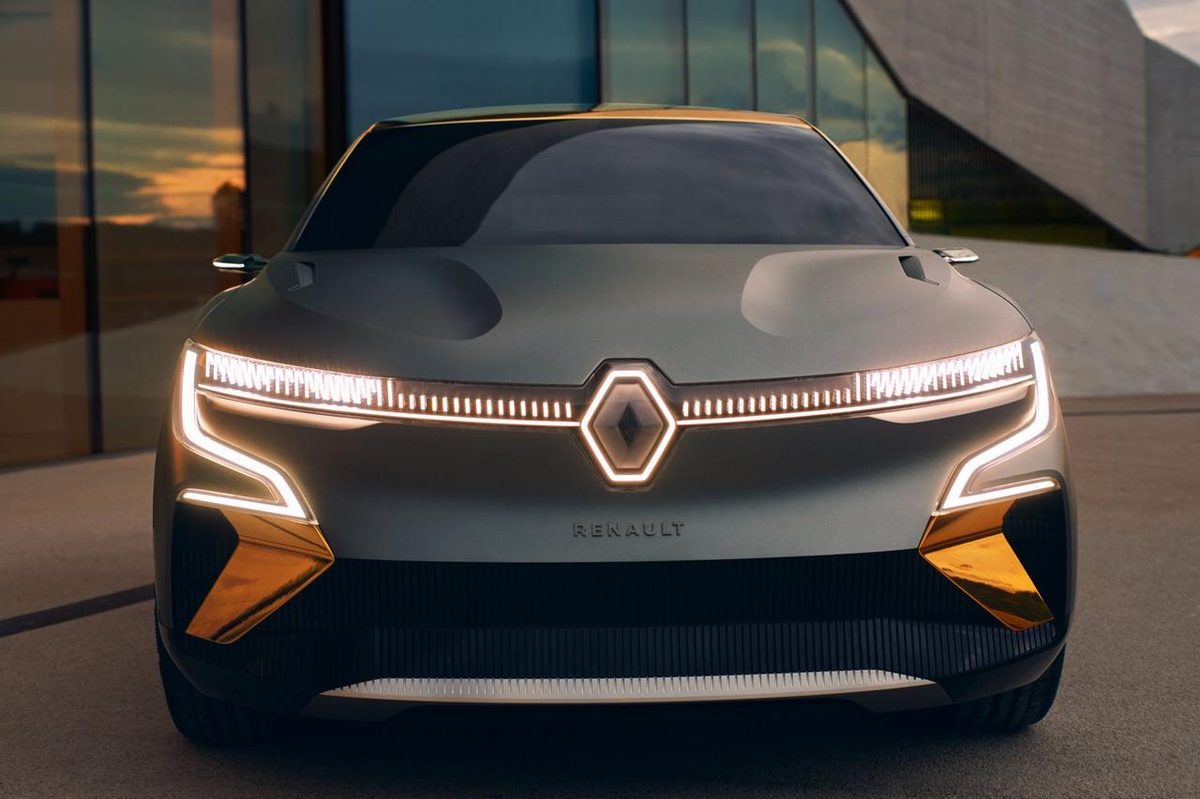
It has been twenty-five years since the first Renault Megane rolled off the line. That longevity makes the nameplate iconic in Europe. But today, the rules of the road are changing. Electric powertrains are no longer optional extras. They are the new baseline. Renault recognized this shift early. They decided not to merely bolt a battery onto the existing chassis. Instead, they started with a blank sheet of paper. The result is the Megane eVision concept car.
This is not just a design exercise. Renault claims the eVision is over ninety percent identical to the eventual production model. It is a serious preview of the next generation compact crossover.
Design Language and Dimensions
The eVision follows the crossover trend. It takes the compact footprint of its predecessor but raises the ground clearance. The stance is wider. The fenders are broader. This gives the vehicle an imposing yet athletic profile.
Visually, it draws heavily from the Morphoz concept car. The lines are fluid. They are also precise. There is a deliberate tension between soft curves and sharp edges. Renault aimed for a “flush” exterior design. Almost nothing protrudes. This minimizes drag and maximizes aerodynamic efficiency.
Look closer at the details. The traditional side mirrors are gone. Cameras replace them. Door handles are hidden flush with the bodywork. They pop out automatically when you approach. It is a sleek, modern aesthetic that prioritizes clean surfaces over mechanical clutter.
Lighting and Proportions
The front end features a continuous light signature. LED headlights are integrated into a dynamic, flowing strip. The movement of the light draws the eye forward. It looks aggressive. It looks fast.
Size matters here. The eVision is actually shorter than the current fifth-generation Megane. Yet, the wheelbase is three centimeters longer. This packaging trick suggests more interior space despite a shorter overall length. It is a classic efficiency move in modern car design.
“The Mégane eVision is the result of this reflection… close to more than 90% of the series model.”
Why Start From Scratch?
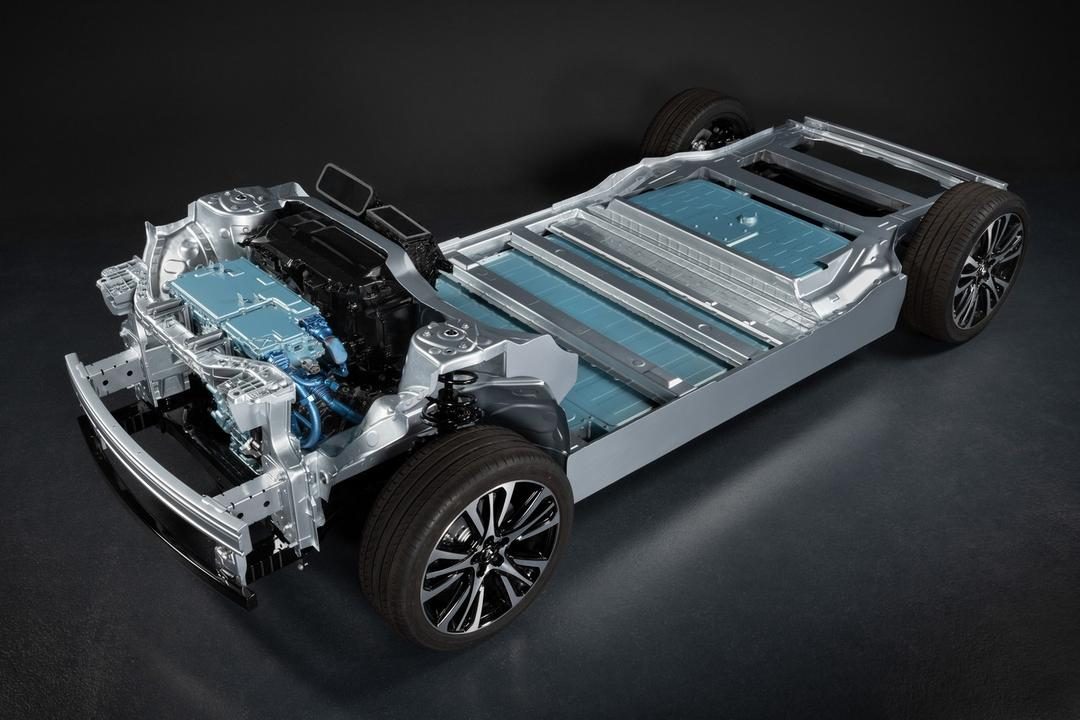
Building an EV on a legacy ICE platform is common. It is cheap. It is fast. But it is often compromised. Renault chose the opposite path. They wanted a dedicated electric architecture. This allows for optimal battery placement. It enables better weight distribution. It also frees up interior space.
The eVision is a show car, yes. But its purpose is clear. It shows where Renault is heading. The Megane name will live on. But it will be electric. It will be a crossover. And it will look nothing like the car of the past.
The transition is major. The execution is precise. The market is watching closely. Will this new Megane capture the same spirit? Or is it something entirely different? Only time will tell. The concept is ready. The factory is not. But the direction is set.
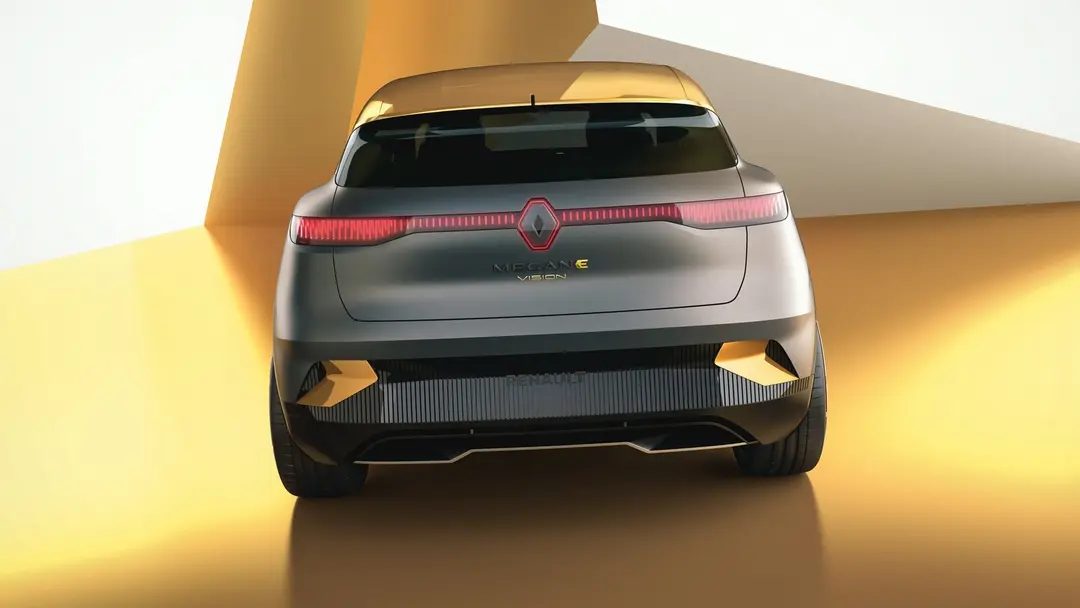
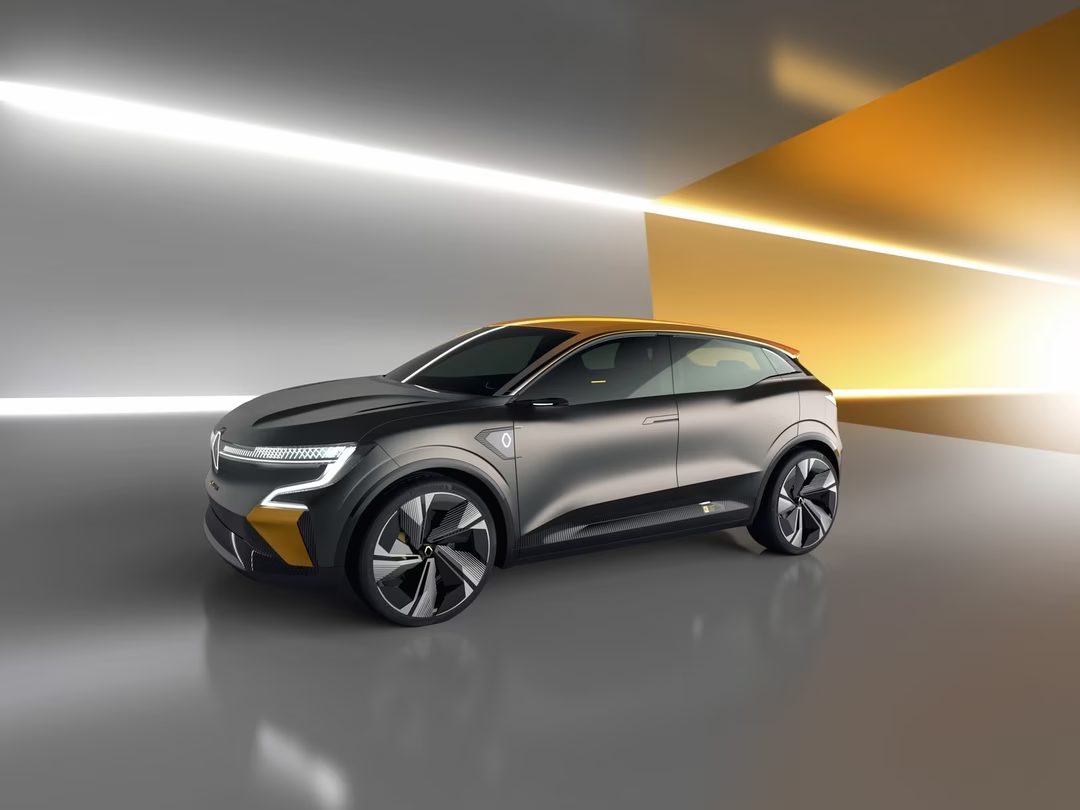
The silhouette is a study in contrast. Fluid curves meet sharp, precise creases. It looks fast even when standing still.
Real-world range estimates
We don’t get a peek inside the concept cabin yet. But Renault promises the space matches their current C-segment Megane. That’s a solid baseline for daily use.
Under the metal, the numbers are specific. You’re looking at a 160 kW electric motor. That converts to 217 horsepower. Torque hits 300 Newton-meters. It sends power to the front wheels.
The battery is 60 kWh. The system voltage is 400v. Not cutting-edge 800v architecture, but proven.
Range? No official WLTP figure yet. Renault’s pitch is pragmatic. They claim a Paris to Lyon trip. That’s roughly 450 km. They say it takes the same time as a gas car. Include charging stops. Include coffee breaks. The total travel time stays comparable.
Shared platform architecture
This isn’t a standalone project. The future electric Megane sits on the CMF-EV platform. It’s a joint venture. Renault, Nissan, and Mitsubishi all share this architecture.
You get two wheelbase options. Short wheelbase measures 2.69 meters. Long is 2.77 meters. Configurations vary by model.
Battery choices expand across the lineup. You can spec 40, 60, or 87 kWh packs. The Nissan Ariya launched this platform first. The Megane eVision follows.
What this means for buyers
The 450 km claim is aggressive. It relies on efficient driving and likely moderate speeds. Highway runs will eat into that range. But for city commuting and intercity hops? It lands in the sweet spot.
The front-wheel-drive setup keeps costs down. It also means the packaging remains efficient. No need for complex all-wheel-drive systems unless you want them later.
The shared parts bin is a double-edged sword. Benefits from scale. Risks of homogenization. The Ariya looks distinct. The new Megane has a different identity. Let’s see if the production model keeps that design edge.
One thing is clear. Renault isn’t hiding behind vague promises. They’re giving concrete dimensions. Concrete battery sizes. Concrete torque figures. The rest is speculation until the press cars arrive.
Renault and Dacia set the pace for affordable EVs
While the Mégane eVision concept gave us a glimpse into Renault’s premium electric future, the real story for mass adoption is hiding in plain sight. The production version of that concept is slated for an autumn 2021 reveal, with sales kicking off in early 2022. It’s a solid move. But just as interesting is what Renault did on the other side of the brand hierarchy. They didn’t just tweak the Dacia Spring. They unveiled it as a standalone proof of concept for ultra-low-cost electrification.
The strategy here is brutal in its simplicity. Renault isn’t trying to convince everyone to buy an electric vehicle. They are trying to convince the skeptics. The Dacia Spring is positioned to be the cheapest electric car on the market. Period.
This isn’t about range anxiety or torque figures anymore. It’s about accessibility. By decoupling the Dacia brand from the legacy of the ICE (internal combustion engine) models, Renault is clearing the path for a pure EV entry point. The Spring doesn’t need to be fast. It doesn’t need to be luxurious. It needs to be everywhere.
“The Dacia Spring promises to be the cheapest electric vehicle available, shifting the barrier to entry for EV adoption lower than ever before.”
The price of entry
Why does this matter? Because for most of the automotive industry, “electric” still means “premium” or at least “expensive.” The Dacia Spring flips that script entirely. It targets the budget-conscious buyer who has been priced out of the conversation for years.
Renault’s move signals a recognition that the EV market is bifurcating. On one end, you have high-tech, high-price sedans and SUVs. On the other, you have utilitarian, no-nonsense runabouts. The Spring lives in that second category. It’s designed for city commuting, school runs, and short hops. It’s not a road-trip car. It’s a daily driver.
This approach mirrors what we’ve seen in other markets where affordability is the primary driver of adoption. The Spring isn’t just a car. It’s a statement. Electric power doesn’t have to be a luxury.
What’s next for the Mégane?
Back to the Mégane eVision. While the Dacia plays the budget card, the Mégane is aiming for the middle. It’s the volume seller. The one that needs to justify its existence against the Tesla Model 3, the VW ID.3, and the soon-to-arrive Chinese competitors.
The production model, arriving in late 2021, will likely shed some of the concept’s radical styling in favor of manufacturing reality. But the core architecture? That’s staying. It’s a clean-sheet design focused on aerodynamics and efficiency. The 2022 launch is tight. Very tight. Renault is betting that the window for establishing a dominant EV footprint is closing fast.
The Spring and the Mégane aren’t competing. They’re complementing each other. One pulls the brand up, the other pulls it out of the mud. It’s a two-pronged assault on the traditional combustion engine market.
The race is on
The automotive landscape is shifting. Not slowly. It’s happening now. The Spring and the Mégane are just the opening moves.

The Mechanical Heart of the E46 M3
The S54B32 is not just an engine; it is the reason the E46 M3 commands respect in a sea of turbocharged four-cylinders. It is a naturally aspirated inline-six. That matters. While the rest of the automotive world chased boost and complexity, BMW stuck to simple physics. High RPM. Induction. Exhaust. Nothing in between to throttle the experience.
The displacement is 3.2 liters. The power output sits at 333 hp. The torque figure is 262 lb-ft. These numbers look modest on paper compared to modern rivals, but they are delivered differently. The power band is broad. Peak torque arrives early at 3,250 rpm and holds steady until 4,750 rpm. This creates a flat curve. You do not need to hunt for power. You just step on the gas. The throttle response is immediate. There is no lag. No turbo spool time. The connection between foot and road feels direct.
Redline and Rev Matching
The redline is 7,400 rpm. That is high for a production car of this era. It requires effort to keep the engine in the sweet spot. You cannot coast. You must work. This is the point of the manual gearbox. The six-speed unit is short-geared. First gear launches you hard. Second gear holds power. Third gear is your friend for passing. Fourth gear keeps you moving efficiently. Fifth and sixth are for cruising, though the engine still pulls with authority.
Rev matching is not optional. It is a skill. The E46 M3 demands it. If you heel-toe poorly, the differential takes a hit. The limited-slip differential is mechanical. It is not electronic. It does not wait for sensors to tell it to lock. It reacts to wheel slip instantly. This makes the car feel alive. It feels like it is dancing on the edge of traction. You control that edge.
Handling and Chassis Dynamics
The chassis is rigid. It is not as stiff as a current M3, but it is solid enough. The double wishbone front suspension provides excellent camber control. The multi-link rear setup allows for compliance without sacrificing handling. The steering is quick. The ratio is 14.8:1. Turn the wheel one turn. The car responds. It is not weighty. It is communicative. You feel the road texture through the wheel. You know when the tires are losing grip.
The brakes are large. 13.3-inch front rotors. Four-piston calipers. They bite hard. Fade resistance is good. You can track the car for hours. The pedal feel is linear. No sponginess. No sudden grab. Just progressive pressure. The ABS is present but not intrusive. It allows you to push hard. It only intervenes when necessary.
Common Issues and Maintenance
The S54 is robust. It is not fragile. But it has weaknesses. The VANOS system on the exhaust cam can fail. The seals dry out. The rattle returns. If you hear a rattling noise from the front of the engine at idle, check the VANOS seals. They are cheap to replace. The fix is straightforward. You do not need a specialist. Just patience.