Porsche is pushing hard into electrification. The Macan EV is out. Cayenne plug-ins are rolling off the line. The Taycan has been on the streets for a while. But a fully electric 911 isn’t happening yet. That’s not the plan. Instead, they’re leaning into high-performance hybridization for their halo car.
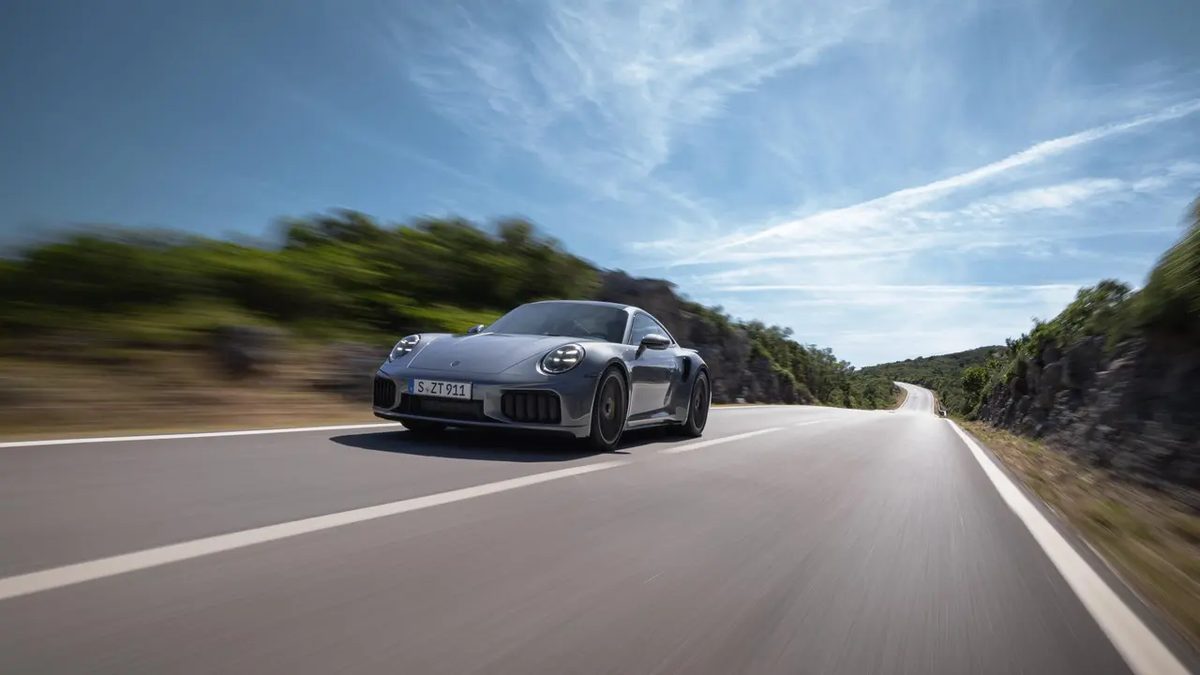
The result is the new Porsche 911 Turbo S. It’s no longer just a combustion engine screaming in the night. It’s a hybrid powerhouse. The numbers are staggering. We’re talking about 711 horsepower. That figure isn’t just marketing fluff. It confirms the car’s spot at the top of the public lineup. It’s the spearhead. The flagship.
Performance Through Electrification
This isn’t a gimmick. The hybrid system in the 911 Turbo S isn’t just a battery bolted onto a chassis. It’s engineered into the core of the drivetrain. Porsche designed this integration to boost performance, not just efficiency.
The electric motor works in tandem with the transmission and the turbocharger. It fills in the gaps. When you step on the gas, the system optimizes responsiveness. It cuts down on turbo lag. It makes every acceleration more linear. More controlled.
The outcome is brutal acceleration wrapped in manageable control. The 911 Turbo S hits 0 to 100 km/h in a blink. It’s faster than you’d expect from a car with this much history. And it’s not just about straight-line speed.
On an open road, the handling is smoother. The weight distribution feels better. The electric assist takes some of the shock out of hard launches. You stay planted. You stay in control.
The hybridization in the 911 Turbo S is a tool for performance. It optimizes reactivity at every acceleration.
This shift marks a major chapter for the German sports car. It’s not abandoning tradition. It’s evolving it. The Porsche 911 Turbo S proves that electrification doesn’t have to mean quiet or slow. It can mean sharper. Faster. More alive.
The race isn’t over. Porsche is just getting started. And the 911 is leading the charge.
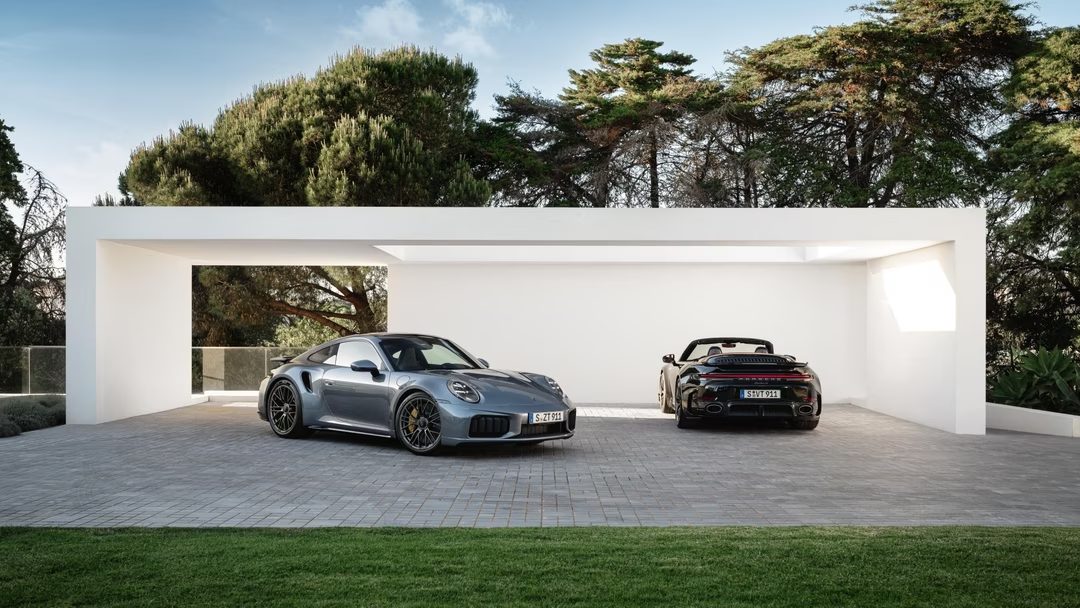
The rear mid-engine layout isn’t just a nod to tradition here. It’s the core of the 911’s DNA. Under that rear decklid lies a mechanical package that grips the tarmac with terrifying precision. But add electricity to the mix and the Turbo S shifts into a new gear.
You get instant torque from the hybrid system. It merges with the mechanical nobility of a flat-six engine. The result is a mechanical symphony. Only enthusiasts truly hear the notes.
Aerodynamic Efficiency and Cockpit Focus
The silhouette remains unmistakably 911. Wide fenders swallow the wheels. An active rear wing deploys to manage airflow. Every surface works to channel air and manage the immense power on tap.
Inside, luxury meets high-tech utility. The cockpit leans heavily toward the driver. You don’t have to hunt for controls. Finishes match the caliber of a proper prestige GT car. Every switch, every stitch, feels intentional.
The Tech Showcase Reality
At over €241,000 sticker price, this isn’t a daily driver for most people. It’s not meant to be.
This car exists to showcase what the brand can do. It pushes boundaries. It sets the stage for future models. Most won’t own one. Few will even drive it.
But you’ll see it. You’ll catch glimpses at auto shows. You’ll watch it pass on the highway. That’s the point. It’s a rolling advertisement for engineering excellence.
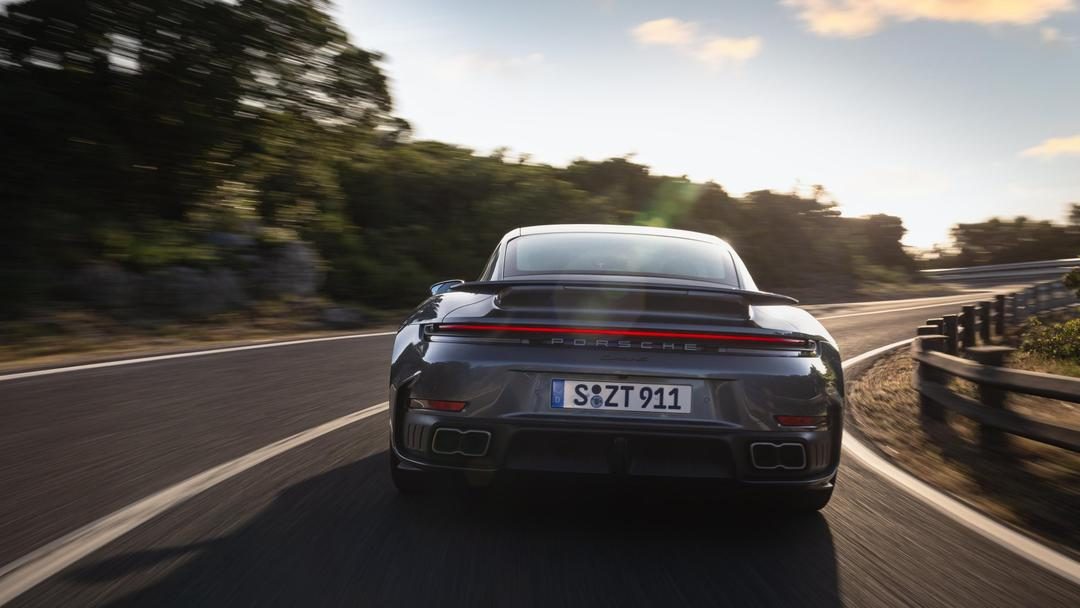
The Turbo S proves electrification and emotion aren’t mutually exclusive
High-performance cars were once purely mechanical beasts. Now, the rules are shifting. Even in this hyper-exclusive segment, electrification is creeping in. Porsche understands this shift better than most. They aren’t just adding batteries to make compliance numbers. They’re using them to amplify performance.
The Porsche 911 Turbo S isn’t just a fast coupe. It’s a statement. It demonstrates that hybridization doesn’t kill the soul of a sports car. Quite the opposite. The electric motors fill the torque gaps. They eliminate lag. The result? Instant, brutal acceleration that feels almost unfair.
This car bridges heritage and future tech. It respects the air-cooled legends of the past while embracing a high-voltage future. The emotional connection remains intact. You still feel the g-forces. You still hear the exhaust note—though now it’s layered with the whine of electric motors. The drive is visceral. The tech is advanced. Both coexist.
“Porsche demonstrates that power and hybridation are not incompatible.”
Critics might argue that emissions increase in such a heavy, powerful machine. Compared to a standard hybrid sedan? Absolutely. The Turbo S weighs a lot. It demands a lot of energy. But the alternative isn’t a zero-emission lifestyle. It’s staying stuck in the past. Electrification here serves a specific purpose: reducing the carbon footprint of a motorization with “demoniac” power. It makes the inevitable transition less jarring for enthusiasts.
The passion for cars isn’t dying. It’s evolving. This isn’t the end of the internal combustion engine’s dominance in the 911 lineage. It’s an adaptation. Porsche ensures that whether you’re driving on a public road or dreaming about a track day, the experience vibrates. The technology changes. The feeling doesn’t.