You change your oil. You check your tire pressure. You top off the fluids. This is the holy trinity of basic car care. But there is a hidden variable in the equation that most owners ignore until it screams for attention: brake rotors.
Most people assume that replacing brake pads is enough. They are wrong.
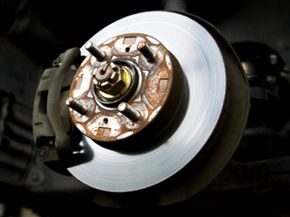
Brake rotors, or brake discs, are the steel plates that your pads clamp onto. They convert kinetic energy into heat to stop your wheels. If you ignore them, you are gambling with your stopping power. Just like pads, rotors wear out. They warp. They crack. They become unsafe.
There are several designs out there. Standard. Vented. Drilled. Slotted. Each has a specific job. Let’s start with the one you see most often on the street and in track environments: drilled brake rotors.
What Are Drilled Brake Rotors?
Drilled rotors are exactly what they sound like. They are brake discs with a pattern of holes drilled through the friction surface. These holes aren’t just for looks. They serve a mechanical purpose.
The primary goal is heat dissipation. When you brake hard, friction creates intense heat. If that heat doesn’t escape, the brakes fade. The holes provide a path for hot gases and brake dust to vent away from the pad surface. This helps maintain consistent braking performance.
Why Drivers Choose Drilled Rotors
The appeal isn’t just about stopping distance. It’s about consistency under stress.
- Heat Management: The ventilation holes allow hot air to escape more efficiently than solid rotors.
- Water Displacement: In wet conditions, the holes help channel water away from the pad-rotor interface, reducing the chance of hydroplaning on the microscopic level.
- Aesthetic Appeal: Let’s be honest. They look aggressive. Many enthusiasts prefer the visual cue that the car has been upgraded.
The Downsides of Drilled Rotors
Here is where the conversation gets tricky. Drilled rotors are not universally better. They have specific weaknesses.
1. Structural Weakness
Drilling a hole into a solid piece of metal creates a stress concentrator. Under extreme stress, cracks can start at the edge of the holes. This is why drilled rotors are generally not recommended for heavy-duty trucks or high-performance tracks where temperatures exceed 1,000°F. The heat cycles can cause the rotor to split along the drill lines.
2. Pad Wear
The sharp edges of the drilled holes can be abrasive. They tend to eat through brake pads faster than solid or slotted rotors. You might save money on rotors, but you’ll spend more on pads over time.
3. Corrosion Risks
If the rotors are not coated or maintained properly, the holes can trap moisture and road salt. This leads to rust inside the holes, which can accelerate corrosion and further weaken the structure.
When to Use Drilled Rotors
Drilled rotors are best suited for:
- Street performance cars: Daily drivers who occasionally track the car or drive spiritedly on weekends.
- Light to medium-duty vehicles: Sedans, coupes, and smaller SUVs.
- **Dry
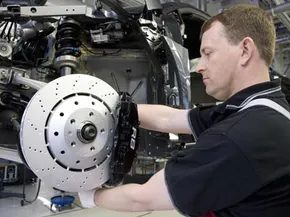
It feels wrong. You see a brake rotor with a Swiss cheese pattern of holes drilled right through the friction surface, and your instinct says this is a bad idea. Less metal means less surface area for the pads to bite. Less bite means worse stopping power. Logic dictates you should stick to a solid, smooth disc.
But that logic fails when you factor in physics.
There are two dominant styles for high-performance braking: drilled and slotted. We are looking at drilled rotors here. Slotted rotors get their own section next.
The Heat Problem
Braking is just controlled friction. That friction generates massive amounts of thermal energy. If that heat stays trapped in the rotor, you get brake fade. Fade is when your brakes go soft and squishy because the pads can’t grip a glowing hot surface.
Drilled rotors help vent that heat. The holes create pathways for thermal energy to escape faster than a solid block could. Faster heat dissipation means the rotor stays within its operating temperature range. You keep stopping power when you need it most.
Gas Buildup
This one is mostly a relic of the past. Older brake pad compounds off-gassed when they got hot. That gas formed a thin layer between the pad and rotor. A gas layer is a lubricant. Lubricant kills friction. Friction is what stops cars.
Modern pads don’t produce nearly as much gas. It’s not a primary concern anymore. But the design habit stuck. The holes still help clear any residual volatiles.
Water Management
Rain. A car wash. A deep puddle. Any of these can coat your rotors in water. Water is slippery. Wet rotors mean delayed brake engagement. You press the pedal. The pads hit the wet metal. Nothing happens for a split second.
Those split seconds matter.
Drilled rotors shed water quickly. The holes act like drainage channels. They fling moisture away from the contact patch. The pads stay dry. The bite is immediate.
The Structural Weakness
Here is the catch. Drilling holes removes material. It creates stress concentrators.
Punching holes in a wall weakens the drywall. Doing the same to a thick cast-iron rotor weakens the structural integrity. Under heavy, repeated stress—like track days or aggressive canyon carving—the holes become starting points for cracks.
Cracked rotors are dangerous. They can shatter. They can warp. They can fail catastrophically.
Is It Worth It?
If you drive a daily commuter, drilled rotors might be overkill. You gain water clearance. You get minor heat benefits. But you sacrifice durability.
If you drive hard, the weakness matters. The holes invite cracks. The rotor life shortens. You’ll be replacing them sooner than you expect.
When to Choose Drilled Rotors
You aren’t buying performance for show. You are buying it for function.
- Track Use : The heat management is superior.
- Wet Climates : Water shedding is critical.
- Lightweight Cars : The weight savings (minimal, but present) help.
- Aesthetics : They look aggressive. (Yes, this counts for many buyers.)
When to Avoid Them
- **
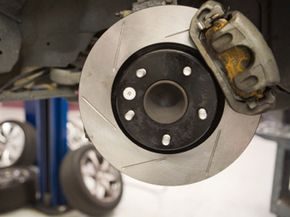
Think of slotted brake rotors as tiny drainage ditches carved into the metal surface. Their job is simple but critical: flush out gas, heat, and water. When you brake hard, friction generates a thin layer of gas between the pad and rotor. This “gas layer” reduces friction, causing that vague, spongy brake pedal feel. Slots help vent that gas away.
They also clear water. Wet brakes don’t bite. The slots act like wipers, scraping moisture off the surface so you maintain consistent clamping force.
Why Drivers Choose Slots Over Holes
Performance enthusiasts gravitate toward slotted rotors for one main reason: durability. Drilled rotors have holes punched through them. Those holes create stress concentration points. Hit those holes hard enough, repeatedly, and the metal fatigues. Cracks start there. A cracked rotor is a failed rotor.
Slotted rotors don’t have those perforation-induced weak points. The metal remains largely intact. You can push a slotted rotor harder before it throws a crack. For track days or aggressive canyon carving, that structural integrity matters.
But there’s a catch.
The Pad Wear Penalty
Slots are abrasive. They grind against the brake pads with every rotation. Yes, they clean the surface, but they also eat into the pad material. If you’re tracking a car with slotted rotors, you’ll be replacing pads more often. That adds up in cost and downtime.
Drilled rotors? They’re gentler on pads. Less wear. Longer pad life. That’s why you see drilled rotors far more often on production performance cars. Street drivers care about pad longevity. They don’t want to strip pads every few hundred miles.
The Middle Ground: Drilled for Street, Slotted for Track
Here’s the practical split:
- Street/Street-Track Hybrid : Drilled rotors are the standard. They handle daily driving stress fine. Most street drivers won’t push a drilled rotor to failure unless they’re abusing it intentionally.
- Dedicated Race Cars : Slotted rotors. Racing generates sustained, extreme heat. Drilled rotors crack under that thermal load. Slotted rotors survive. Accept the higher pad consumption.
If your car spends 90% of its time on pavement and 10% on a track, drilled rotors make sense. You get adequate performance without sacrificing pad life.
If you’re running a dedicated race car or a street car that sees frequent hard track use, shift to slotted. Pad wear becomes a maintenance cost, not a failure point.
Motorcycle Rotors: A Different Beast
How much do car and truck brake rotors differ from motorcycle rotors? A lot. Motorcycles have different thermal loads, different mounting configurations, and often smaller diameter rotors. They also face unique challenges like single-piston caliper dynamics and different cooling profiles.
The physics change when you’re balancing on two wheels and relying entirely on braking for stability. Car rotors are over-engineered for that use case. Motorcycle rotors are lightweight, precise, and tuned for a completely different stress profile.
The next page breaks down those differences in detail.
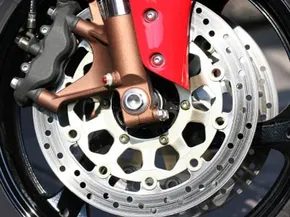
Motorcycle brake rotors operate on the same basic physics as their automotive counterparts. The disc spins with the wheel. You squeeze the lever or press the pedal. The caliper clamps down. Pads grab the rotor. The wheel stops.
It’s simple mechanics. But the execution differs significantly between two-wheeled and four-wheeled platforms.
On a motorcycle, the front and rear brakes function independently. This is a stark contrast to car braking systems, which typically apply force to all four wheels simultaneously to slow or stop the vehicle. Most street bikes feature independent, hand-operated controls for each brake circuit.
The front brake does the heavy lifting. It delivers the lion’s share of stopping power due to weight transfer during deceleration. The rear brake assists. It helps stabilize the bike and contributes to the final stop. Both components are critical. They are considered key pillars of motorcycle safety. If either system fails, stopping distance increases dramatically.
Drilled vs. Slotted: Aesthetics and Performance
Most street-driven motorcycles come equipped with drilled brake rotors. These discs feature a pattern of holes drilled through the friction surface. High-performance machines or dedicated track bikes usually opt for slotted rotors. Slots are narrow grooves machined into the rotor face.
Why the difference? Heat management and gas evacuation.
Drilled rotors help dissipate heat and vent brake dust. They also look cool. Since motorcycle brake rotors are far more visible than car rotors—especially on the front fork—they serve as a styling statement. Many custom cycle builders use decorative drilling or unique shaping of their rotors to make their bikes stand out in a crowd. It’s a blend of function and form.
Slotted rotors, meanwhile, are designed for high-stress environments. They help clear out gas and debris between the pad and rotor during aggressive braking. This maintains consistent friction. Track day riders prefer them. Street riders often choose drilled rotors for their look and adequate daily performance.
Stopping Power and Effort
Bringing a motorcycle to a halt requires relatively small amounts of effort compared to stopping a heavy-duty truck. The mass difference is enormous. A motorcycle might weigh around 400 pounds. A Class 8 truck can weigh upwards of 80,000 pounds when loaded.
This disparity means the engineering behind the braking systems must scale accordingly. Motorcycle brakes focus on precision, heat dissipation, and modulation. Truck brakes focus on raw force, durability, and air pressure management.
Understanding these differences helps riders and owners maintain their machines properly. Knowing whether you have drilled or slotted rotors changes how you inspect them for wear. It also changes how you interpret brake feel.
“Motorcycle brake rotors are considered a key component of motorcycle safety.”
The next section will dive into the specifics of truck brake rotors. You’ll see why those massive discs require a completely different approach to maintenance and replacement. Until then, check your front brake pads. They’re likely wearing out faster than the rear ones. That’s normal.

Stop a sedan. Easy. Stop a loaded semi? That’s a whole different physics problem.
Trucks are massive. They sit heavy on the pavement. This mass means the brakes have to work harder. Way harder. The friction between the pads and the rotors creates intense heat. And with extra weight comes extra stress.
The components look familiar. Truck brake rotors are usually cast iron or steel. They are just bigger. Bigger diameter. Thicker. But don’t mistake size for durability without maintenance.
Here is the catch. The rotors themselves don’t necessarily fail first. It’s the pads.
Heavy vehicles wear down brake pads faster. Light cars? You might get years out of a set. A truck? Not so much. When pads wear thin, the metal backing plate touches the rotor. Scratches. Warping. Glazing. The surface gets destroyed. Then you have to machine the rotor flat or replace it entirely.
This happens on passenger cars too. Just less often.
So, what if you need to stop really fast? What if “enough” isn’t enough?
Performance Brake Rotors
High-performance drivers on street and track have different needs. Standard rotors melt under sustained high-G braking. They warp. They fade.
Performance rotors are designed to handle the heat. Better airflow. Different materials. They keep the stopping power consistent when the temperature spikes.
If you’re pushing the limit, stock parts are a liability.

Most people obsess over pads. They swap them out, compare friction coefficients, and debate compound strengths. But rotors? They get ignored until something squeaks. This is a mistake if you’re chasing lap times.
When you look at what track day regulars actually bolt on, the pattern is clear. Drilled rotors look cool. They scream “performance.” But racers almost universally choose slotted designs. The reason isn’t aesthetics. It’s physics.
Why Slotted Beats Drilled for Track Use
Drilled rotors have holes punched through the friction surface. They’re great for street cars in the rain. Water channels away. Debris clears out. But on a track? Those holes are stress concentrators. Under extreme thermal cycling, micro-cracks start there. Eventually, the rotor fails.
Slotted rotors take a different approach. They don’t drill all the way through. Instead, they cut shallow channels into the face.
“The benefit of the slots is that they allow hot gases, water and other debris to move off of the face of the rotor.”
This gas evacuation is critical. When brakes heat up, outgassing occurs. The friction material releases volatiles. If that gas sits between the pad and rotor, you lose bite. It’s called brake fade. Slots let that gas escape. The pad stays grounded. You keep stopping.
There is a trade-off. Slots wear down brake pads faster. The edges of the slots act like little knives, scraping material off the pad. For a daily driver, this is annoying. You’ll replace pads more often.
But for high-performance setups, does it matter? Probably not. Most serious drivers already run ceramic or carbon-ceramic compounds. These pads are notoriously long-wearing. The extra erosion from slots is negligible compared to the stopping power gain. You’re trading pad life for consistency. A fair deal.
Ventilation and Heat Dissipation
Slots handle the surface. Vents handle the core.
High-performance rotors are vented. You see them as the gaps between the two rotor faces, running around the perimeter. As the wheel spins, it acts like a centrifugal fan. Heat is pulled from the friction surface and ejected through these vents.
Without this airflow, heat builds up. Iron expands. Brake fluid boils. Pedal goes soft. That’s how you end up in a wall.
Vented designs increase thermal capacity. They move heat away from the friction interface faster than solid rotors. This prevents brake fade during consecutive laps. The rotor stays cooler. The brake fluid stays stable. Your lap times drop.
When to Replace Your Rotors
You don’t replace rotors on a timer. You replace them when they fail. How do you know they’re failing?
Look for these signs:
– Visible grooves or ridges on the rotor surface. If you can feel them with your fingernail, the rotor is worn beyond its minimum thickness spec.
– Vibration or pulsation when braking. This indicates the rotor is warped or has uneven wear (often called “runout”).
– Unusual noises. Grinding means you’ve worn through the pad backing plate and are metal-on-metal. Screeching usually means wear indicators are hitting.
If you see these, it’s time to swap.
The Cost Breakdown
Replacing brake rotors isn’t cheap. The parts alone run between $30 and $75 per rotor for standard replacements. High-performance slotted or two-piece rotors cost significantly more.
Labor adds to the bill. Depending on your vehicle model and local shop rates, labor can double or triple the total expense. If you’re doing it yourself, you’ll need a torque wrench, a jack stand, and maybe a little patience. If you’re not comfortable with brake work, don’t guess. Brakes are your primary safety system.
The Bottom Line
Drilled rotors are for looks and light rain. Slotted rotors are for performance and heat management. They manage gas, shed debris, and keep the pad interface clean. They wear pads faster, but modern compounds handle it.
If you’re serious about stopping power,