What is “balance” on a motorcycle anyway?
It is a buzzword. Marketers love it. But strip the gloss, and it means something specific. A bike needs power that pulls, not just revs that scream. Handling needs to feel planted, not twitchy. And you need to survive a commute without hating every pothole.
Usually, you don’t get all three.
Stiff chassises vibrate your spine. Soft ones mush the handling. Manufacturers try to fix one thing and break another, adding weight or killing soul until the bike forgets who it is.
Where Other Bikes Miss the Mark
The failures are predictable. Inline-fours feel incredible at 12,000 rpm. Until then? You are shaking, hurting, and waiting. They punish your wrists for the privilege of excitement.
Then you have entry-level twins. Approachable. Friendly. They die past the mid-range, too. No rush. No fear. Just… nothing. It is pleasant. It is never “special.”
Aprilia decided to stop playing these extremes.
Aprilia RS 660 Specs at a Glance
Price: $11,849
Engine: 659cc Parallel-Twin
Power: 105 hp @ 10,400 rp
Torque: 51.6 lb‑ft @ 8,400 hp
That is a solid middleweight price tag. It isn’t dirt-cheap. It pretends to be no entry-level budget bike either. The money buys hardware. It buys electronics that used to be exotic on sport bikes not that long ago. It earns its place.
A Punchy Engine With Soul
The heart is a 659cc twin. 105 horsepower. But numbers don’t ride. The crank is a 270 degree arrangement. Why does this matter? Because it creates uneven firing order. More torque. More character. Less sterile feeling.
It feels punchy. Instinctive. Not frantic. The power comes when you need it. This is crucial for the street.
Low-end pull is strong. Mid-range is broad. You short-shift in traffic. You roll on for a highway pass. No lugging. No peaking out prematurely. It stays calm on longer rides, too. Less vibration means less fatigue.
Tech That Works For You, Not Against It
Aprilia loves electronics. Good for them. On the RS 660, they aren’t a barrier.
There is five riding modes. Launch control. Wheelie control. Traction control. A quick-shifter. Cruise control? Yes, it has that too. Cornering ABS is standard. None of this feels intimidating.
It all connects to a color TFT display. Backlit switchgear. Everything is accessible. You don’t need an engineering degree to tune it. Users report the systems feel like a safety net. Confidence. Intrusive? Never.
Smartphones connect via MIA Bluetooth system. Basic connectivity. Nothing crazy. It just works.
Handling: Light Without Being Nervous
Chassis is aluminum. Twin spar. Forks are 41mm KYB upsides down. The shock matches them, adjustable. Simple list. Huge result.
Weight sits at 403 lbs (running trim). Light for a faired bike. This helps the turn-in feel eager. It stays stable at speed, too.
Nervous? No. Planted. It flicks through corners without shaking off its composure. It settles on highways. You won’t feel the urge to stop every time the road texture changes. That kind of usability gets ridden. Often.
Sitting Pretty
Seat height is 32.2 inches. It is not low. You stand on it with two feet planted usually, maybe toes down if you are short. The handlebars are relatively high. Footpegs sit higher and back.
Ergonomics matter. If a bike demands a crouch for an offside lane change, you will leave it in the garage on a rainy Tuesday.
This setup allows sportiness. But it won’t punish you for buying a sandwich. Commuting feels possible. Weekend rides feel natural. You get a full spectrum of use without changing personalities.
The Final Verdict? Maybe Just Go For a Ride
The RS 660 avoids the trap of overcommitment. It dominates one trait and fails the others? Not here.
Power. Chassis. Electronics. Comfort. All present. All functional. It is complete in a fragmented market.
That is why people talk about it.
Maybe balance isn’t just a word after all. Or maybe it just means getting on and riding.
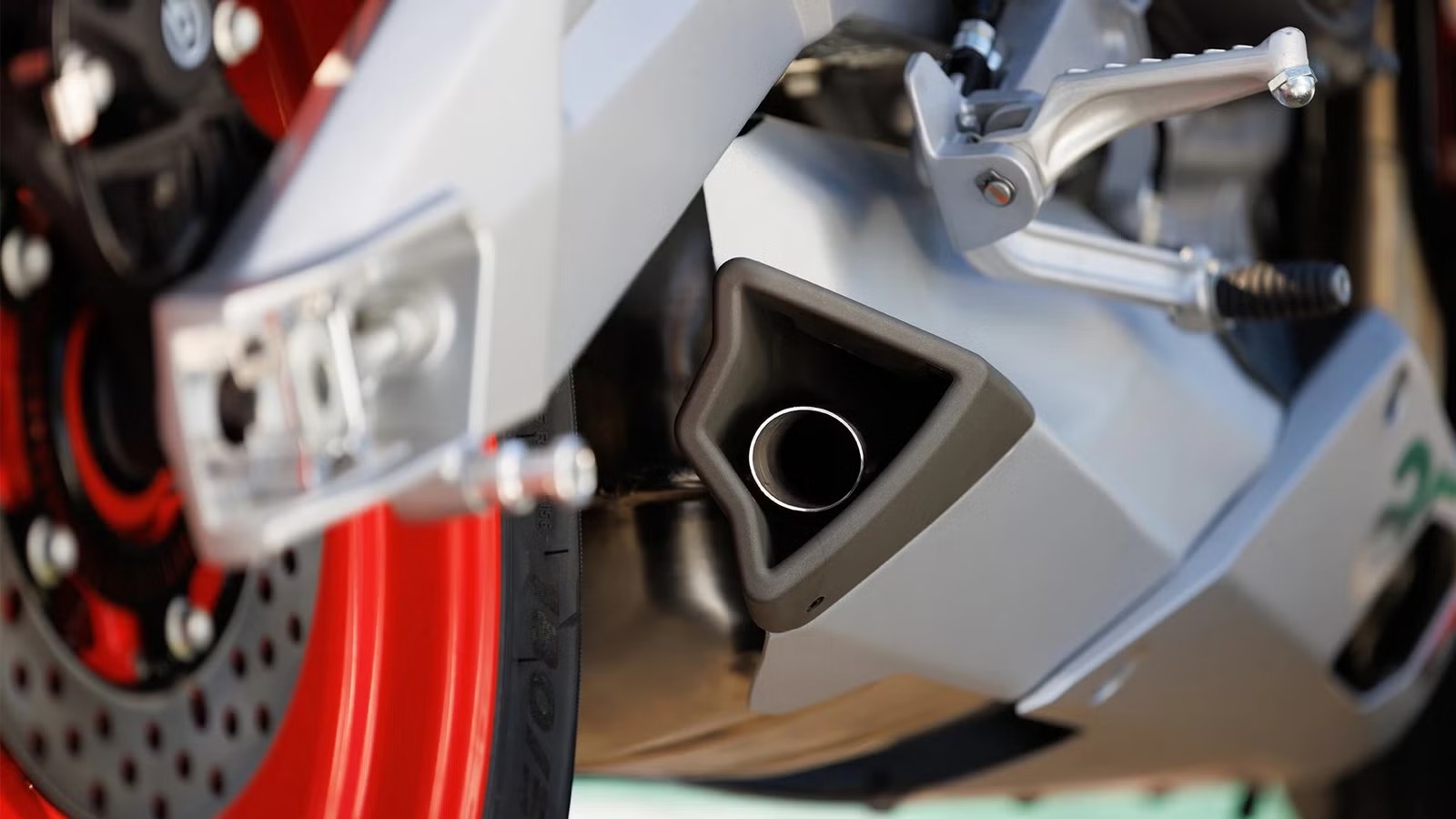
Factory model shown in press images