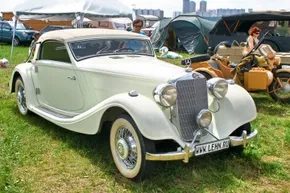
Stop treating your daily driver like a stock portfolio. It isn’t. The only time a vehicle qualifies as a legitimate car as an investment is when it falls into the narrow band of collectible classics. Anything else is a liability.
Plenty of people try to rationalize the monthly payment on a new Porsche or BMW by claiming it’s a “smart financial move.” That logic is flawed. Sure, some factory-fresh cars do appreciate. The Toyota GR86, the original Subaru BRZ, or limited-run EVs sometimes see prices jump. But these are outliers. They are unpredictable. You cannot rely on them. For every car that goes up, thousands go down. Assuming your new purchase will gain value is a gamble with terrible odds.
Think of a new car purchase like a refrigerator. It depreciates the second you sign the papers. It’s a tool. It will break. It will need oil changes. It will sit in your driveway losing value every single day. You spend money to use it. You don’t expect to get that money back. Most car owners will never recoup their initial spend, let alone make a profit. Trying to force an appliance into the role of an asset is a mistake.
The Depreciation Hit
If you need a new car but hate the idea of burning cash on a depreciating asset, there is a smarter path. Buy a recent model that has already absorbed the steepest part of the drop.
Look for high reliability scores. Look for fuel efficiency. These cars are still “new” to you. They have modern tech. They have safety features. But the first owner took the hit. You save thousands upfront and avoid the steepest decline curve. It’s boring. It’s practical. It’s also the only way to preserve wealth in a standard purchase.
The Classic Car Exception
There is a different story if you have the time, space, and knowledge. If you can research, source, and store a classic properly, you enter the world of collectible classics as an investment. This is a different game entirely.
You don’t drive these cars. Driving them is a risk. One scratch. One accident. One bad parking job. The value can vanish in minutes. You don’t own the car; you’re just a custodian for the next buyer. Jay Leno has garages full of them. He’s also incredibly rich. You might not be.
The market for these vehicles runs on trend cycles. What’s hot today might be cold in five years. Trying to time the market is dangerous. You might buy at a peak and sell at a trough. The mistake? Buying something purely for the numbers without liking it.
Find a car you actually enjoy. If the market crashes, you still have a cool machine in your garage. If you can’t stand watching your net worth dip because a metal box sits idle, stay away. Cars are emotional purchases. Don’t hide that emotion behind a facade of financial prudence unless you’re playing the long game with a specific, proven collectible.