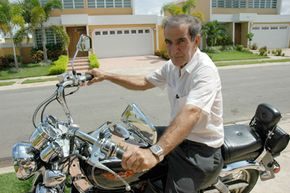
The number of motorcycles registered in the United States jumped by 34 percent since 1998. That is a massive spike. It wasn’t an accident. People want a connection to the road that a metal cage can’t provide. But the draw isn’t just about the thrill of freedom or the wind in your face. It is also about the cost of fuel. Gas prices keep climbing. Motorcycles offer fuel economies that reach up to 85 miles per gallon. That is a hard number to ignore when you are filling up at the pump.
Motorcycles are motorized vehicles built for one or two riders. Most have two wheels. Some have three. If a vehicle has fewer than four wheels touching the ground, it generally falls into this category. You have the classic two-wheelers. Then there are the variations. A “hack” is a motorcycle with a sidecar attached. A “trike” is a motortricycle, which uses three wheels for stability. The design is simple. It works because it has to.
The modern motorcycle layout was locked in by 1914. It hasn’t changed much since. The mechanics are straightforward. A gasoline engine converts the up and down motion of pistons into rotary motion. It works the same way as a car engine. A transmission system takes that power and sends it to the back wheel. The wheel turns. The bike moves forward. Steering is physical. You turn the handlebars and lean the bike. You use hand levers for the clutch and front brake. Foot pedals handle gear changes and the rear brake.
We will look at how these machines operate and how they might evolve. But first, we need to understand what makes them run.
What’s in a Name?
The word “biker” has a specific connotation now. It often points to members of motorcycle gangs. Many enthusiasts dislike that association. They prefer “rider” or “motorcyclist.” It is a matter of respect for the craft. There is also a new demographic emerging. Born-again bikers are riders in their 40s and 50s. This group wasn’t well-represented in ownership stats until recently. They are older. They have more disposable income. They want the experience without the rebellion.
Motorcycle Engine
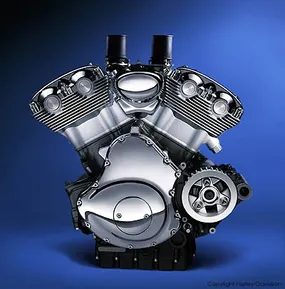
Motorcycle engines aren’t magic. They operate on the same fundamental thermodynamic principles as car engines. You have pistons moving up and down inside a cylinder block. That block is capped by a head housing the valve train. Ignition happens when a spark plug fires, exploding a compressed fuel-air mixture. Those explosions force the pistons downward.
Valves cycle open and shut to let fresh mixture in and exhaust out. The linear motion of the pistons drives a crankshaft. This component converts that vertical energy into rotary motion. The transmission takes that rotational force and sends it to the rear wheel. Simple physics. Effective engineering.
Engineers categorize these powerplants using three primary metrics. The number of cylinders. The combustion chamber capacity. The number of strokes in the power cycle. Let’s break down the first two.
Cylinder Configurations
Modern motorcycles range from single-cylinder simplicity to six-cylinder complexity. Historically, however, the V-twin dominated. American, European, and Japanese engineers favored this design for decades. It’s called a V-twin because the two cylinders sit at an angle to each other, forming a “V.”
Look at a classic Harley-Davidson. The cylinders sit at a 45-degree angle. Other manufacturers tweak this angle. A narrower or wider spread helps reduce vibration. It’s not just about looks. It’s about ride quality.
The V-twin is just one way to house two cylinders. You have other configurations. Opposed-twin engines place pistons facing each other. Think boxer engines. Parallel-twin engines stack pistons side-by-side in an upright column.
Today, the four-cylinder setup is the market leader. It runs smoother. It revs higher. A four-banger outrevs a comparable twin without shaking itself apart. You can arrange these four cylinders in a straight line. Or you can stack them in a V-shape, two on each side.
Capacity and Power Output
Combustion chamber size dictates power. It’s a direct relationship. Bigger chambers generally mean more power. The upper limit for a street motorcycle is roughly 1500 cubic centimeters (cc). The lower end hovers around 50 cc.
Those 50 cc engines live on mopeds. They offer insane efficiency. You might see 100 miles to the gallon. But don’t expect speed. Top speeds cap out at 30 to 35 mph. They’re for short commutes, not highway cruising.
The 1500 cc range, by contrast, houses the heavy hitters. Superbikes. Touring machines. These engines push serious horsepower. The gap between 50 cc and 1500 cc is vast. It represents everything from grocery getters to track-day weapons.
Motorcycle Transmission
We’ve established how the engine creates power. Now we need to move that power to the ground. That’s where the transmission comes in. It acts as the bridge between the crankshaft and the rear wheel.
Unlike cars, which use a clutch pedal and a shift lever, most motorcycles integrate these functions. The rider uses a foot lever to shift gears. The hand lever operates the clutch. This setup saves space. It keeps the center of gravity low. It also allows the rider to keep both hands on the bars.
The transmission uses a series of gears to multiply torque or increase speed. Low gears provide the grunt to get a heavy bike moving from a standstill. High gears reduce engine RPM for highway cruising. Without a transmission, a motorcycle would be either impossibly slow or impossibly fast. There’s no middle ground.
How does the rider know when to shift? Modern bikes
Gearset Mechanics and Shifting
A motorcycle engine generates serious torque, but raw power is useless if you can’t control it. The transmission acts as the gatekeeper, managing that energy before it hits the asphalt. It does this through a specific sequence: the gearset, the clutch, and finally the drive system.
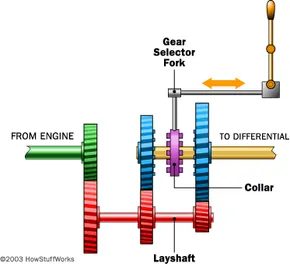
The gearset is the core of this process. It allows the bike to crawl from a dead stop without stalling and then accelerate to highway speeds. Most street bikes feature four to six gears. You might see fewer on small displacement models—sometimes just two.
Shifting isn’t magic. It’s mechanical. You move the lever. That motion pushes shifting forks inside the transmission case. Those forks slide the gears into place. The gearset ratio changes. The engine RPM adjusts. You move forward. Simple.
The Clutch’s Role in Power Delivery
Why do you need a clutch? Try stopping the rear wheel from turning without hitting the brakes. You have to kill the engine. That’s not a practical driving strategy. The clutch solves this by connecting and disconnecting the engine’s crankshaft from the transmission.
Inside the clutch assembly, you have a stack of spring-loaded plates. When the bike is in gear and the clutch is engaged, these plates press together. They lock the transmission to the crankshaft. Power flows.
Shifting gears breaks this link. You pull the lever. The plates separate. The transmission spins independently of the engine’s crankshaft for a split second. You select the new gear. Then you release the lever. The plates clamp down again. Connection reestablished.
Without this mechanism, every gear change would grind the gears to a halt. Or worse, lock up the rear wheel. The clutch is the buffer. It makes power delivery controllable. And that’s what keeps you upright.
Beyond the Basics
This is just the beginning of how power travels. The gearset and clutch handle the internal work. But the final step—the drive system—takes that processed torque and pushes the bike forward.
How does the power finally reach the pavement?
Drive Systems
Three options exist for getting power from the engine to the back wheel. Chain. Belt. Shaft. Chains win the popularity contest. That’s the standard setup. A small sprocket on the transmission output connects to a bigger one on the rear wheel via a metal chain. Turn the small one. Power moves down the chain. The big one spins the tire. It works. It’s simple. But it demands attention. You have to lube it. Adjust the tension. The chain stretches. Sprockets wear out. Eventually, you replace the hardware. It’s a maintenance cycle you accept for the performance.
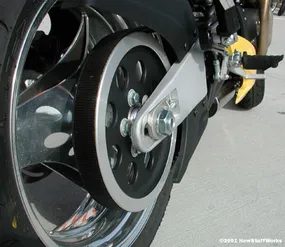
Belt drives offer an alternative. Early bikes used leather. Those stretched. They slipped, especially in the rain. Riders hated the unpredictability. By the 1980s, materials science caught up. Cogged rubber belts returned. They function like chains. No lubrication needed. No cleaning solvents required. They just work. Lower upkeep. Same goal.
Shaft drives exist too. A driveshaft connects the transmission to the rear wheel. They are low maintenance. Convenient. But they add weight. And there is a quirk called shaft jacking. That’s when the torque twist lifts the rear end of the bike during acceleration. Some riders like it. Most don’t. It’s a trade-off between ease of care and dynamic behavior.
The Friction Drive
Some motorcycles use a friction drive. It’s a type of continuously variable transmission, or CVT. No fixed gears. Instead, two discs interact. One spins from the engine. The other connects to the rear wheel. A mechanism varies the contact radius between them. Change the point of contact. Change the gear ratio. It’s smooth. No shifting.
This isn’t new. Early 1900s motorcycles experimented with variable friction transmissions. The concept has a long history. It appears in motorized vehicles beyond just bikes. But it’s rare today. Most riders prefer the predictability of chains or belts. Or the simplicity of a shaft. The friction drive remains a niche technology. Interesting. But not dominant.
Motorcycle Chassis
The rest of the bike is the chassis. It holds everything together. The engine. The drive system. The rider. It’s the skeleton. Without it, you just have a pile of parts. The chassis defines the geometry. The handling. The feel. It’s where the rubber meets the road. And where the driver meets the machine.
Frame
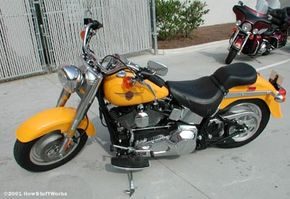
Steel. Aluminum. Alloys. That is what the backbone of a motorcycle is made of. Hollow tubes form the skeleton. You mount the engine to it. You mount the gearbox to it. But it does more than just hold hardware together. It keeps the wheels aligned. Misaligned wheels mean poor handling. The frame dictates how the bike turns.
Suspension
The frame supports the suspension. Springs. Shock absorbers. They keep the tires on the pavement. They absorb the jolts.
Rear suspension? A swingarm is the standard. One end holds the rear axle. The other end pivots on a bolt attached to the frame. A shock absorber shoots up from that pivot point. It connects to the top of the frame, right under the seat.
Front? Telescoping forks. Internal shock absorbers. Internal or external springs. The front wheel and axle slide inside those tubes.
Wheels
Aluminum rims. Steel rims. Spoked. Most bikes use these. But cast wheels entered the scene in the 1970s. They changed the game.
Cast wheels allow for tubeless tires. No inner tube. Compressed air sits between the rim and the tire. A seal keeps the pressure in.
Tubeless tires are less likely to blow out.
They are safer in that regard. But they are fragile. Hit a rough road. Bend the rim slightly. The seal breaks. You deflate.
Tire design matters. You need the right rubber for the terrain.
Dirt bikes need deep, knobby treads. Grip on dirt. Grip on gravel. That is the priority.
Touring bikes use harder rubber. Less grip. More longevity. You want to last the mile.
Sportbikes and racers? Steel-belted radials. Astonishing grip. Remember that contact patch. It is tiny. But they stick.
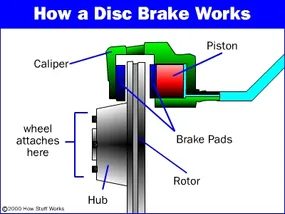
Stopping Power: Disc vs. Drum
You don’t have a brake pedal in the traditional sense. The front brake lives on the right handgrip. The rear brake is a foot pedal on the right side. Simple. But the mechanics underneath have changed drastically over the decades.
Before the 1970s, drum brakes were the standard. They worked, but they weren’t efficient. Today, you’re almost certainly looking at disc brakes. They offer superior stopping power. Here is how the system actually works.
A steel rotor is attached to the wheel hub. It sits between two brake pads inside a caliper. When you squeeze the lever or press the pedal, hydraulic fluid pushes through the brake lines. The fluid pressure forces the pads to clamp down on the spinning disc. Friction creates heat. That heat slows the wheel. Eventually, the bike stops.
There is a catch. Brake pads wear down. You will need to replace them periodically. Ignoring that wear means less stopping power. And on a motorcycle, less stopping power is dangerous.
Storage and Luggage Options
The seat sits right behind the gas tank. It’s removable. Most seats are designed for one or two riders. Some models include small storage compartments underneath or behind the seat cushion. That’s useful for a helmet or a tool kit.
If you need more space, you look to saddlebags. You have choices here. Hard plastic boxes offer weather protection. Leather pouches offer a vintage look. Both attach to the sides of the rear wheel or over the rear fender.
Large touring motorcycles can do even more. They can tow small trailers. Or they can pull a sidecar.
A sidecar adds a third wheel. It provides stability. Some sidecars come with an enclosed cabin. That means your passenger stays dry. They also stay warm. It’s a significant addition to the riding experience.
Getting Started: The Riding Experience
Next up is the actual act of riding. It’s different from driving a car. The balance is different. The inputs are different. We will break down what it feels like to actually move the machine.
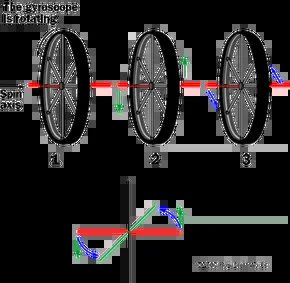
Riding a motorcycle isn’t like driving a car. It is physically distinct. Two wheels mean zero stability at a standstill. Gyroscopic forces kick in only when you are moving. This dynamic nature forces new riders to build specific muscle memory before hitting the street. You cannot just show up and ride. You must master steering, braking, and gear shifting.
The Counter-Intuitive Art of Steering
Low-speed steering is intuitive. Turn the handlebars left. The bike goes left. This works up to about five miles per hour. Go faster, and physics changes everything.
You enter the realm of counter-steering.
It feels wrong. To turn right, you push the right handlebar forward. To turn left, you push the left bar. If you are on the interstate and see debris blocking your lane, instinct might tell you to shove the handlebars toward the obstacle to avoid it. Do not do this. Pushing right sends the bike right. You will hit the debris. Push left. The front wheel turns right, but the bike leans and arcs left.
Why? Gyroscopic precession. The spinning wheels act as gyroscopes. When you apply force perpendicular to the rotation axis, the resulting motion is also perpendicular. It is a mechanical quirk that demands rewiring your brain.
Instructors use a simple mnemonic to bypass the confusion: Push left, turn left. Push right, turn right. Memorize it.
Braking: The Front Brake is Your Friend
Stopping requires both brakes. The right hand controls the front brake. The right foot controls the rear.
Use them together.
The front brake provides 70 to 90 percent of the stopping power. New riders fear it. They worry about going over the handlebars. This fear causes crashes. The California Highway Patrol notes that locking the rear brake is a primary factor in motorcycle accidents. The front brake is not the enemy. It is the tool that stops you safely.
Gear Shifting Evolution
Old British bikes used foot-operated clutches. This was dangerous. Stopping meant lifting your left foot off the peg to disengage the clutch. One slip, and you stall or fall.
Designers fixed it. Hand-operated clutches became standard. The left hand squeezes the lever. The left foot kicks the shifter up or down. This setup is universal across modern models. It allows your body to remain anchored and stable.
Surviving a Lockup
Deceleration shifts weight forward. The front wheel digs in. The rear wheel lifts slightly.
If you lock the rear wheel, do not panic. Keep the rear brake applied. Look at the horizon. The bike will skid. It will fishtail. But it remains controllable if you stay off the front brake.
Locking the front wheel is worse. The front can tuck under the bike. You drop the machine instantly. If you feel the front brake fade or the wheel lock, ease off slightly.
Prevent this with staged braking. It is a four-step progression that maximizes grip without exceeding the tire’s limit.
- Stage One: Apply just enough pressure to feel slight friction between the pad and disc.
- Stage Two: Build on Stage One. Apply steady, increasing force.
- Stage Three: Add more pressure. The bike slows faster.
- Stage Four: Emergency stop. Bear down hard. But only after progressing through the previous stages.
This method prevents wheel lockup in almost all scenarios. It keeps the rubber on the road.
Helmet Safety Standards
Many states mandate helmet use. They are not just for show.
The outer shell. Fiberglass or injection-molded plastic. It spreads impact energy across a wider area.
The inner lining. Polystyrene foam. It absorbs the shock.
Without this combination, the head takes the full force of the crash. The helmet manages the energy transfer. It is the first line of defense.
Exploring Motorcycle Types
The market is vast. Cruisers offer low seats and relaxed riding positions. Sport bikes prioritize aerodynamics and speed. Touring models provide comfort for long distances. Dual-sport bikes blend on-road efficiency with off-road capability. Each type demands a different riding style. Understanding the machine you are on is half the battle.
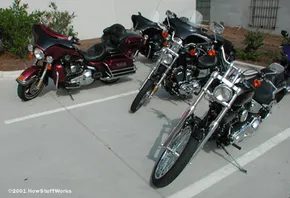
The Street-Ready Divide
You can’t just strap a gas tank to a frame and call it a motorcycle. If you want to ride legally and safely on public roads, the machine needs specific hardware. We’re talking lights. Mirrors. A horn. A muffler. Without them, you’re just a nuisance with a heavy engine. And the tires? They need tread. Not just for looks, but because dry asphalt and rain-soaked pavement demand different grip levels. Street bikes are engineered for that duality.
But within that broad “street” category, the divide is stark. You generally end up in one of two camps: the long-haul touring rig or the laid-back cruiser. They serve different masters. One wants to cover miles without fatigue. The other wants to look good doing it.
Touring: Built for the Long Haul
Touring motorcycles are essentially road-going living rooms on wheels. They are designed for one purpose: covering vast distances with minimal driver input. The most visible tell? Fairings.
These aren’t just plastic flares for aesthetic points. Fairings are aerodynamic shields that wrap around the headlight and handlebars. They cut through wind resistance, reducing drag and keeping your chest from getting hammered by air pressure at highway speeds. That reduces fatigue. A lot.
“Fairings are aerodynamic wind guards that wrap around the headlight to enhance styling and reduce drag.”
But aero isn’t everything. You also need storage. Saddlebags are standard, offering space for gear without needing a backpack that makes you sweat. And the passenger seat? It’s not an afterthought. It’s wide, padded, and positioned so the backseat rider doesn’t feel like they’re riding a lawnmower. It’s comfort-first engineering.
Cruisers: The Relaxed Alternative
Cruisers strip away the bulk. No fairings. No wind guards. Just the rider, the machine, and the open road. The geometry is different too. You’re not leaning forward into the wind like on a sportbike or a tourer. You’re reclined.
Swept-back handlebars put your arms out in front of you. Low seats drop your center of gravity, making it easier to plant both feet at stops. Footpegs are set forward, not mid or rear-set, allowing for a stretched-out riding position. It’s casual. It’s easy. It’s less about efficiency and more about attitude.
Which One Fits Your Rides?
The choice often comes down to how you plan to use the bike. If your commute is 50 miles of highway, the touring fairing saves your arms from numbness. If you’re weaving through city traffic and weekend canyon runs, the cruiser’s upright stance and easy handling win out.
There’s no right answer. Just different compromises. Touring bikes trade agility for stability. Cruisers trade wind protection for style. Both are street-ready. Both have tread. Both have horns. But they ask different things of your body. And your wallet.
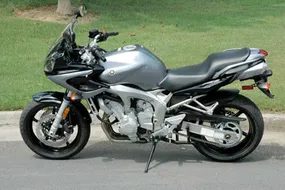
The Grip: Sportbikes Defined
You lean forward. Your chest presses against the tank. It’s not just a pose; it’s physics.
Sportbikes exist for one reason: speed on the asphalt. They are engineered to slice through air and carve through corners with surgical precision. The engine? Usually multi-cylinder. More cylinders mean more power delivery, smoother acceleration, and a higher rev ceiling. You don’t buy a sportbike for torque at low RPMs. You buy it for the scream at 12,000 RPM.
The chassis is aluminum alloy. Stiff. Light. It doesn’t flex. The suspension is equally unforgiving, tuned for track days and backroads, not pot-holed city streets. Tires are sticky rubber compounds designed for maximum grip. Brakes are powerful enough to lock up the wheels if you aren’t careful.
Aerodynamics matter here. The forward-leaning riding position reduces drag. It tucks the rider into the slipstream. Without this posture, the wind would buffet you, slowing you down and making the bike feel heavy.
Streetfighters and Naked Bikes
Then there is the opposite approach.
Naked bikes.
They have the same heart as the sportbike. Same engine family, sometimes same suspension components. But they strip away the plastic. No fairings. No windscreen. No bodywork that hides the frame.
Why?
Because some riders want to look like they just rode out of a cyberpunk movie. They want the “road warrior” aesthetic. In Europe, these are often called streetfighters. The term comes from the idea of taking a caged bird (the fairing) and letting it free.
The riding position changes. Upright. You sit on top of the bike, not inside it. Wind hits your chest. You feel every bump. You feel the engine’s vibration through the handlebars. It’s raw. Direct.
Some customizers started this trend. They wanted a bike that looked aggressive. Mean. Functional, but with an attitude. Now, it’s a full category. Manufacturers produce them specifically for this look.
Is it faster? No. The fairings on sportbikes improve stability at high speeds. Without them, you’re pushing against the wind. But is it more fun? For many, yes. You’re more connected to the machine. More exposed. More aware.
The choice isn’t just about speed. It’s about how you want to feel while you’re moving.
Standard Motorcycles
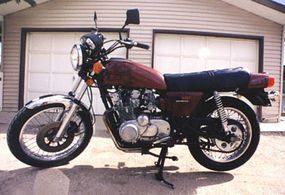
Also called standards, these machines are the direct descendants of the Universal Japanese Motorcycle (UJM) era. If you are familiar with bikes built in the 1970s, you know the formula: an all-purpose do-anything platform. Today’s standards keep that versatility alive. They offer a straightforward design without unnecessary complexity. You get upright ergonomics and a neutral riding position. This setup works for everything from commuting to weekend canyon runs. It is the baseline for motorcycle engineering.
Off-Road Motorcycles
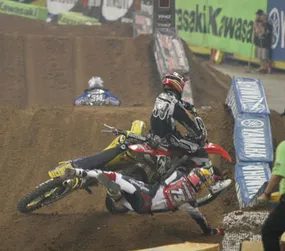
Off-road bikes split into two main camps: motocross and dirt bikes. Both are built to eat up jumps, bumps, and obstacles on closed courses or wooded trails. The engineering focuses on function over form. Frames are narrower and lighter than street bikes. Ground clearance is significantly increased to prevent high-siders on rough terrain. Suspension systems are advanced, often with long travel to absorb big hits.
Weight reduction is key. Most off-road models use a kick-starter instead of an electric one to shave pounds. Tires feature knobby tread patterns for maximum traction in loose dirt. But here is the catch. You usually cannot ride these on the street. They typically lack lights, mirrors, horns, and mufflers by default. That makes them illegal for public roads unless modified.
Key Differences
| Feature | Standard (UJM style) | Off-Road (Motocross/Dirt) |
|---|---|---|
| Riding Position | Upright, neutral | Forward lean, active stance |
| Suspension | Moderate travel, street-tuned | Long travel, high clearance |
| Engine Start | Electric (usually) | Kick-starter (common) |
| Tires | Smooth or street-knobby | Deeply knobby, off-spec |
| Street Legal | Yes | No (usually) |
| Primary Use | Versatile daily riding | Closed course / Trail only |
The choice comes down to where you plan to ride. Standards handle asphalt with ease. Off-road bikes dominate dirt. Do not try to use a motocross bike for daily commuting. The lack of mirrors and lighting will get you cited. Nor should you take a standard to a technical trail. The low clearance and soft suspension will fail you quickly.
Understanding these distinctions helps you pick the right tool for the job. A standard is a jack-of-all-trades. An off-road bike is a specialist. Both have their place in a garage. But mixing them up leads to a bad experience.
The dual-purpose dilemma
You want to ride to work but also hit fire roads on the weekend. That is where dual-purpose motorcycles, or dual-sports, come in. They sit in the awkward middle ground between a hardcore dirt bike and a street cruiser.
They are not perfect. But they work.
These bikes are lightweight. They are tough. They have tires that chew up gravel and grip asphalt. A newcomer can learn on one. A veteran can commute on it. It is a compromise machine designed for versatility.
Before the gasoline era
We usually talk about Karl Benz when discussing the automobile. But the motorcycle? That story starts earlier. It starts with steam.
Sylvester Howard Roper built a steam-powered two-wheeler in 1869. That was ten years before the safety bicycle changed transport forever. His machine had a two-cylinder engine. It burned charcoal. Connecting rods pushed power to the rear wheel.
It looked strange. The rider sat over a massive front wheel. It was not ergonomic. It was not practical for daily life. But it was a motorcycle.
Why this history matters
You might ask why we care about a charcoal-burning relic. Because it defines the category.
A motorcycle is any two-wheeled vehicle. Roper’s invention proves the concept existed before internal combustion. It sets the baseline. Every gas-powered bike since is just a refinement of that core idea.
The steam cycle was heavy. It was difficult to control. But it moved. That is all that matters.
The Skeletons That Became Bikes
The safety bicycle wasn’t just a trend. It was the foundational architecture for everything that followed, including the motorcycle. Before this shift, you had those absurd “ordinaries” with their massive 48-inch front wheels. Unrideable for anyone without a ladder. The safety design fixed the stability issue. It lowered the center of gravity. It gave you direct front steering. And it finally made mounting the thing a human endeavor rather than a stunt.
The Rover Safety, designed by John Kemp Starley in 1885, was the first to nail the formula. Spoked wheels of equal size. Roughly 30 inches in diameter. A chain-driven rear wheel. A front chainwheel twice the size of the rear sprocket. Once the Rover took over, the term “bicycle” just stuck. The qualifiers dropped off.
When Engines Met Wood
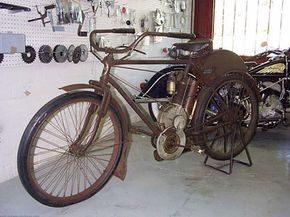
It didn’t take long for engineers to realize that if a bike could roll efficiently, it could also be pushed. The first successful marriage of machine and motor came in 1885. Gottlieb Daimler is credited with building the first true motorized bicycle.
Daimler didn’t reinvent the wheel. He took the safety bicycle concept and strapped a single-cylinder Otto-cycle engine to it. He mounted it vertically in the center of the frame. The setup was simple. One wheel in front. One in back. But stability remained a concern, so he added spring-loaded outrigger wheels on each side. The chassis was wooden. The wheels had wood spokes and iron rims.
Ride quality was terrible. These machines earned the nickname “boneshakers” for a reason. The ride was rough, jarring, and unforgiving.
Rotating Cylinders and Pneumatic Hope
By 1892, Alex Millet looked at the boneshaker trend and saw a problem. He incorporated the basic safety bicycle design but made two critical upgrades. First, pneumatic tires. This actually made the ride tolerable. Second, a five-cylinder rotary engine built directly into the rear wheel.
This wasn’t just an engine bolted to a frame. The cylinders rotated with the wheel. The crankshaft formed the rear axle. It was a compact, integrated solution that pushed the boundaries of what a two-wheeled vehicle could be.
The First Real Motorcycle and the Engine That Changed Everything
The Hildebrand & Wolfmueller holds the title of the first successful production two-wheeler, patented in Munich back in 1894. Over 200 of them actually hit the roads. The engineering was interesting. They cooled their parallel-twin engine with water. That meant a tank. It meant a radiator. Their solution? They shoved the entire coolant system into the top of the rear fender.
Then came 1895. DeDion-Bouton dropped an engine that changed the game. It was small. Light. High-revving. A four-stroke design that spit out half a horsepower. Mass production became possible because of it. DeDion-Bouton used it in their motortricycles, sure. But manufacturers worldwide copied the design. They used it.
American Manufacturers Adopting the DeDion Standard
American production motorcycles leaned on that same DeDion-Bouton foundation. Two names stand out here. Indian Motorcycle Company. Harley-Davidson. They both incorporated the engine into their early builds.
Carl Oscar Hedstrom and George M. Hendee started Hendee Manufacturing in 1900. Their goal was simple. Make a motor-driven bicycle for the everyday public. In 1901, they launched the Single. It produced 1.75 horsepower. Top speed sat at 25 miles per hour. They also needed a brand name. They chose Indian. It became the world’s best-selling motorcycle until World War I.
Harley-Davidson’s Early Dominance and Reliability Records
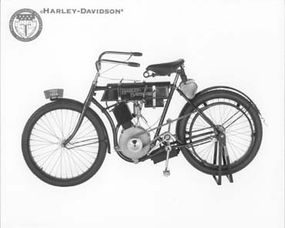
Harley-Davidson Motor Company formed in 1902. William S. Harley and Arthur Davidson built it. Their first models used the DeDion-Bouton layout. They borrowed chassis designs from others too. Indian. Excelsior. Pope.
Harley stood out because the machines were sturdy. Strong. Durable. The proof came in 1908. Walter Davidson rode the Silent Gray Fellow. He scored a perfect 1,000 points at the 7th Annual Federation of American Motorcyclists Endurance and Reliability Contest.
Walter’s brother, Arthur, wasn’t far behind. He set the FAM economy record at 188.234 miles per gallon. That kind of efficiency spoke volumes. By 1920, Harley-Davidson was the largest motorcycle manufacturer in the world.
Where Motorcycle Technology Is Heading Next
That’s the past. As for what’s to come…
Motorcycle Future
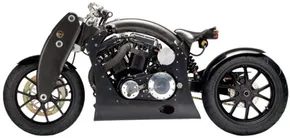
Beyond the Two-Wheeled Norm
The fundamental geometry of a motorbike hasn’t changed much in a century. But inside that silhouette, engineering is evolving at a breakneck pace. Look at what’s happening at the extreme end of the spectrum.
Take the Confederate B91 Wraith. It’s not just a bike; it’s a $50,000 statement. Confederate Motor Company stripped away the traditional expectations. They built a carbon-fiber frame that’s as light as it is strong. The fuel tank? It’s molded carbon fiber, tucked discreetly under the engine. Low center of gravity. Minimalist. Brutal.
Then there’s the Dodge Tomahawk. Strictly speaking, it fails the definition of a motorcycle. It’s a four-wheeled concept built to handle the chaos of a V10 Viper engine. Two extra wheels weren’t a choice; they were a necessity for stability. And where did they put the gas tank? Not behind the seat. They mounted it to the front fender. Why? To keep the fuel away from the searing heat of that massive engine block.
Engineering Around Chaos
You can’t just bolt a car engine onto a bike frame and hope for the best. The thermal management alone requires a complete rethink of layout.
“The Tomahawk designers had to move the gas tank to the front fender to shield it from the engine’s heat.”
This isn’t about aesthetics. It’s about survival. The V10 generates enough heat to boil standard fuel lines or warp standard tanks. Moving the tank to the fender is a radical solution to a radical problem. It highlights how far manufacturers will go to accommodate raw power.
The B91 Wraith takes a different approach. Instead of adding wheels or moving fuel, it strips everything down. Carbon fiber isn’t just a material choice here; it’s a structural one. The fuel container being molded under the engine changes the bike’s handling dynamics completely. Weight is centralized.
The Definition of a Motorcycle
Is the Tomahawk even a motorcycle? Most purists say no. It’s a land speed racer with handlebars. But it proves one thing: the category is flexible. When you introduce a V10, the rules of traditional motorcycle design break down. You need more contact patches. You need heat shielding. You need a completely new architecture.
The B91 Wraith stays closer to tradition but pushes materials to the limit. It costs $50,000 for a reason. That carbon-fiber frame isn’t cheap to produce. The fuel tank isn’t a stamped steel box. It’s a custom-molded component.
Both bikes represent the same drive: innovation through constraint. One adds complexity. The other subtracts it. But both ignore the “standard” design. They don’t care if you call them motorcycles. They care about what they can do.
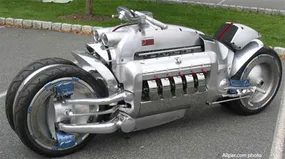
The Dodge Tomahawk isn’t a street-legal bike. It’s a concept. A four-wheeled, V10-powered hallucination. But it tells us something real about why we ride. People don’t hop on a motorcycle for the commute. They do it for speed. For power. For the visceral thrill of two wheels on asphalt. The Tomahawk just takes that obsession and blows it up to mythic proportions.
But the everyday rider isn’t stuck in the past. Motorcycle accessories are getting smarter. Faster. More integrated.
Navigation That Speaks to You
Take BMW’s K1200 LT Elite. It’s a touring bike built for long hauls, but the tech inside is what matters here. It has a built-in navigation system. And it doesn’t ask you to look down at a screen. It talks to you.
The directions come through speakers embedded in your helmet. You keep your eyes on the road. The bike tells you when to turn. No more fumbling with maps or GPS units mounted poorly on the handlebars. This is hands-free, eyes-on-the-road guidance.
The Blue Eye Helmet HUD
If navigation is useful, a head-up display (HUD) is closer to sci-fi. BMW’s prototype Blue Eye Helmet has one. The world’s first, reportedly.
It’s a 320-by-240-pixel color LCD. It sits just two inches from your eye. You see data superimposed over your vision. Speed. Navigation. Maybe even engine stats. All without taking your focus off the tarmac.
This isn’t just a gimmick. It’s a safety feature. And a convenience. As motorcycles become more like computers on wheels, the interface between rider and machine gets tighter.
Where to Go From Here
If you want to dive deeper into how these machines work, or where the industry is heading, there are places to look.
Related Articles
- How Harley-Davidson Works
- How Bicycles Work
- How Car Engines Work
- How Manual Transmissions Work
- How Clutches Work
- How Gears Work
- How Gyroscopes Work
- How Gasoline Works
- How Gas Prices Work
More Great Links
- Harley-Davidson USA
- Indian Motorcycles
- American Motorcyclist Association
- Motorcycle Industry Council
- Bikez — motorcycle encyclopaedia
Sources
Books
- Holmstrom, Darwin and Charles Everitt. The Complete Idiot’s Guide to Motorcycles, 3rd ed. New York: Alpha Books. ISBN 1592573037
- Green, William. Harley-Davidson: The Living Legend. New York: Crescent Books. ISBN 0517066831
Reference
- Encyclopedia Britannica 2005, s.v. “motorcycle.” CD-ROM, 2005.
- Encyclopedia Britannica 2005, s.v. “bicycle.” CD-ROM, 2005.
- Microsoft® Encarta® Online Encyclopedia 2005, s.v. “motorcycle.”
- DK Ultimate Visual Dictionary, s.v. “The motorcycle,” “The motorcycle chassis,” “Motorcycle engines,” “Competition motorcycles.” New York: DK Publishing, Inc.
Promotional Material
- “Journey to adventure: Ten-step guide to motorcycling.” Brochure produced by the Motorcycle Industry Council Inc.
Print Articles
- Brown, Joe. “Rev your ride,” Popular Science, March 2003.
- Harbison, Martha. “Dodge’s 4-wheel Tomahawk,” Popular Science. March 2003.
- Kirschner, Suzanne Kantra and Jenny Everett. “And now, onboard navigation for bikers,” Popular Science. February 2002.
- Murphy, Myatt. “The ultimate 2-wheel racing machine,” Popular Science. May 2002.
- “What’s new: Motorcycling,” Popular Science. August 2002.
Web Articles
- Tretheway, Steve and Terry Katz. “Motorcycle gangs or motorcycle mafia?” National Alliance of Gang Investigators Associations, 1998. http://www.nagia.org/Motorcycle_Gangs.htm
- Tharp, Dave. “The first motorcycle?” Motorcycle.com. http://www.motorcycle.com/mo/mcmuseum/firstbike.html
- Yager, Mark. “Safety bits: High-speed steering.” Motorcycle.com. http://www.motorcycle.com/mo/mcnews/safe2.html
- “Quebec’s motorcycle gangs,” CBC News Online. March 2, 2004. http://www.cbc.ca/news/background/bikergangs/
Web sites
- Harley-D