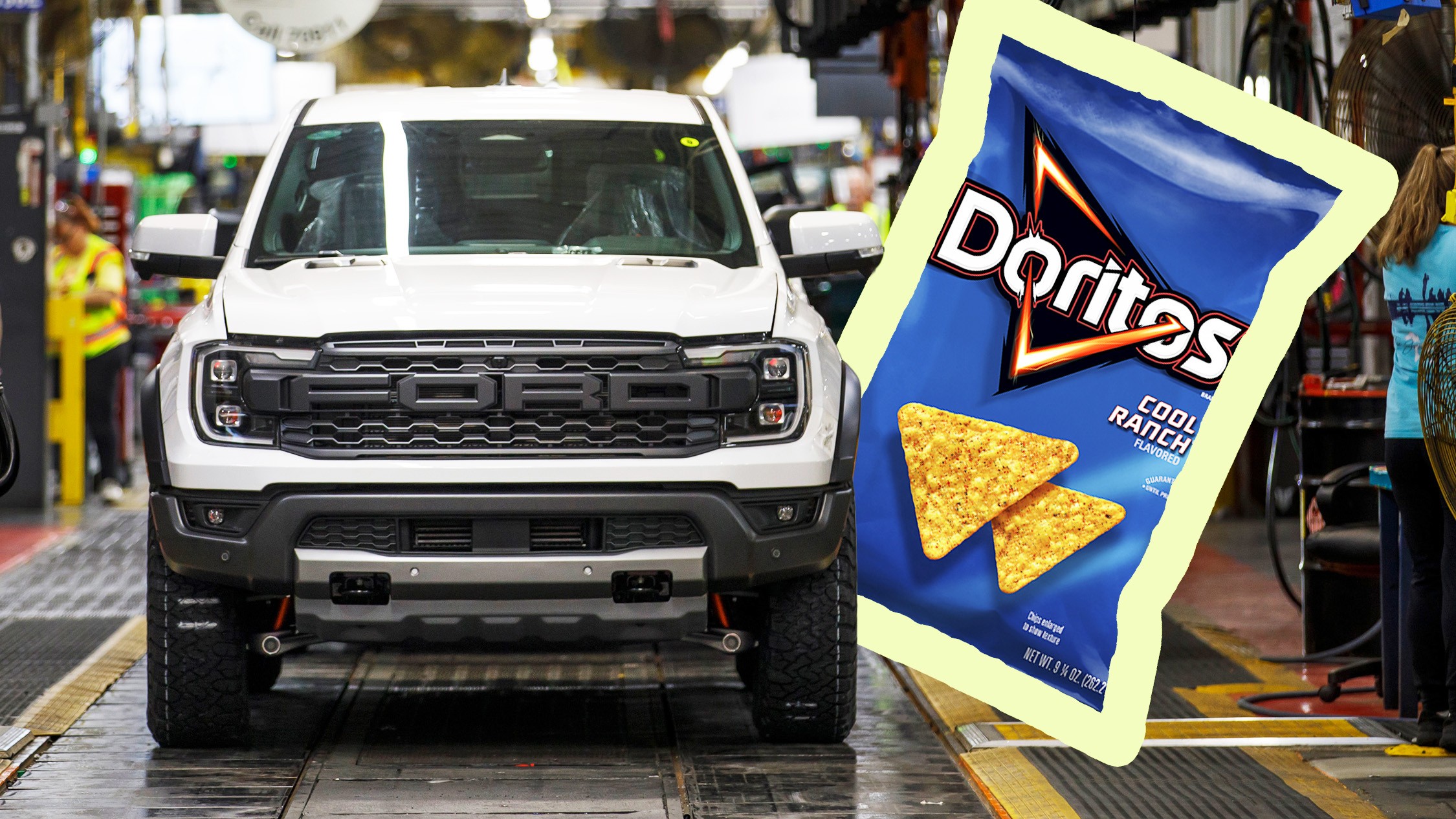
Nick Nabozny earned $125,000 a year.
He made that money building Ranger trucks and Bronco SUVs at Ford’s Michigan Assembly Plant. He worked overtime. He didn’t cut corners. He was, by every metric that mattered to a unionized auto worker, a high earner. So why would he risk everything to swipe a $2 snack?
He wouldn’t. But a glitchy payment kiosk and a suspicious manager thought otherwise.
Nabozny was fired.
The Glitch That Cost Nine Years
The incident started like any other lunch break. Nabozny walked to the breakroom marketplace, grabbed a bag of Doritos and some Ritz Crackers. He scanned them. He tapped his debit card.
He heard the beep.
That beep is supposed to mean one thing: payment processed. He walked back to the assembly line.
Then his phone buzzed. Termination.
Ford and Aramark, the food-service provider running the kiosks, flagged him for theft. The system said the transaction never went through. Surveillance footage allegedly showed him taking the items without a successful scan.
“I asked, ‘What did I steal?’” Nabozny told the Detroit Free Press. “He said, ‘They have you on the camera…’ I said, ‘I never stole anything… Why would I jeopardize my livelihood to steal food when I’m making a good salary?’”
The logic is airtight. Yet, there was no review. No supervisor asking, “Hey, was that a system error?” No investigation. Just immediate termination.
He Wasn’t Alone. And He’s Not Poor.
Nabozny isn’t some broke guy trying to get free chips. His base pay hovered around $40 an hour. His 2025 income hit nearly $90,000. With the extra shifts he took, he was on track for that $125k mark.
Stealing a bag of chips from a workplace where you earn five figures a year isn’t theft. It’s delusional. But management didn’t care about the math. They cared about the algorithm.
It took an investigation before they brought him back. But not before nine years of loyalty were burned.
The $1.95 Precedent
This isn’t new.
Last month, we covered Kurt Kromm, an electrician at Ford’s Kentucky Truck Plant. Kromm earned over $200,000 annually. Ford fired him for a single chocolate chip cookie that cost $1.95.
The kiosk said he didn’t pay. Kromm said he paid. Bank records showed the charge went through. Another terminal accepted his card later, proving the first transaction failed. Ford offered his job back. He refused. He had already moved on to another high-paying gig.
Why stay? Why go back to a system that assumes you’re a thief because a screen froze?
Broken Machines, Broken Trust
The kiosks are a known pain point. Brendan Fluker, another Michigan Assembly employee, says workers have been complaining about these glitches for years.
Failed transactions. Duplicate charges. Frozen screens. Missing receipts.
“People go in and scan an item… it beeps like the payment went through… and then they see it didn’t,” Fluker explained.
The tech is unreliable. The response to errors, however, is consistently harsh. Termination for a machine’s mistake.
Ford told reporters they are aware of a “limited number of cases” and are reviewing them with Aramark. Some workers are now just avoiding the snack bars altogether.
Is it worth it? To spend your shift building SUVs, only to come home and wonder if your bank account is being watched by a vending machine?
Nabozny got his job back. Kromm got out. But the question remains: who else walked out that day, didn’t get the memo about the glitch, and took the fall?
The cookie wasn’t stolen.