You checked the tires. You carpool. You telecommute when you can. Maybe you even bought a hybrid to feel cleaner about your commute. But you still see that tailpipe. It’s there. Every time you drive. That nagging feeling won’t leave. You want to kill the emissions remorse. The only real fix is to delete the tailpipe entirely.
Electric vehicles (EVs) are finally hitting the mainstream. Affordable, practical models are flooding the U.S. market. It’s easier now for regular people to plug in and drive. But the real hook isn’t just saving the planet. It’s saving your cash. Yes, the sticker price is higher. That upfront cost stings. But the long-term math flips the script. Operating an EV is cheaper. Way cheaper.
How much does it cost to charge an electric car vs gas
The biggest win is fuel. Or rather, the lack of it. Gas is expensive. Electricity is cheap. The U.S. Energy Information Administration (EIA) says regular gas averages $2.70 a gallon. Residential electricity? About $0.11 per kilowatt-hour.
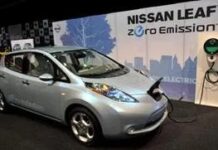
Nissan says a full charge for a Leaf costs $2.75. Sounds like the price of gas, right? Wrong. You have to look at range.
A fully charged Leaf gets about 100 miles. A Nissan Versa on one gallon of gas gets 30 miles. To drive those same 100 miles in the Versa, you need three gallons. That’s $9.00.
$2.75 vs $9.00. The math doesn’t lie.
Why off-peak charging cuts EV costs even further
You can squeeze more savings out of the plug. Most EVs let you schedule charging. Set it for off-peak hours. Utilities charge less when demand is low. Ford plug-in hybrids and others offer this too. It lowers the per-kWh rate.
What about the hardware? An in-home charging station for the Leaf runs about $2,000. That’s a chunk of change. But look at the annual savings. The EPA estimates a Nissan Versa costs $1,359 a year in gas.
Do the division. In roughly 18 months, the fuel savings on the Leaf pay for the charger. After that? Pure profit.
These numbers ignore insurance and maintenance. But just for energy? Just to move the metal down the road? Electric wins. It’s not close.
The cost of running an electric car looks a lot lower than the cost to run a conventional car.
So why wait? The tech is here. The prices are dropping. The savings are real. You’re just paying for the privilege of breathing easier. And keeping more change in your pocket. Not bad for a car that doesn’t smell like gasoline.