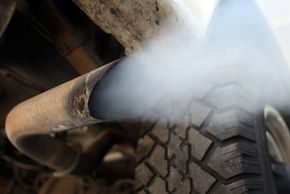
Picture this: a rusted Mercedes sedan lurching up a grade. The engine rattles loud enough to wake the neighbors. You shift down. Black smoke billows from the tailpipe. That’s the American diesel stereotype. Noisy. Dirty. Weak.
It’s a fair image. But it’s outdated.
Diesel fuel costs more here than in Europe, where half the cars on the road run on diesel. Regulations in places like California have historically banned these engines. The stigma stuck. We associate diesel with failure and filth.
Modern engineering is changing that narrative. Automakers like BMW, Mercedes-Benz, and Volkswagen have stripped away the smoke and noise. New emissions technologies allow these engines to sell in all 50 states. They are cleaner. More powerful. Surprisingly reliable.
Take the European 2008 BMW 120d Coupe. It delivers an estimated 55 mpg. That is not a typo. That is real-world efficiency from a combustion engine.
So why stop there? What happens when you combine high-torque diesel power with electric assistance? A diesel hybrid.
We’re looking at how these machines perform. How much fuel they save. And what that means for the environment. You might be surprised by the numbers.