


We obsess over electronic stability control. We check off anti-lock brakes. Airbags? Standard issue.
But the only thing actually touching the asphalt is rubber. Two feet of it.
Most drivers treat tires like house shoes—boring, necessary, invisible until they break. That’s a mistake. Bad tires don’t just ruin your ride comfort. They turn your car into a sled. You can have the best chassis tuning in the world, but if the contact patch is compromised, you’re dead in the water.
How Tire Construction Actually Works
You need to know what’s inside that black donut. It’s not just solid rubber. It’s engineering.
The bead is the anchor. It’s a steel cable wrapped in rubber, hugging the inner edge of the tire. It locks the tire to the wheel. No slip.
Inside that is the body. Layers of strong fabric. Each layer is a ply. More plies means a stronger tire. Think of it like plywood. Solid.
Then there’s the tread. The rubber that meets the road. This is where the magic happens.
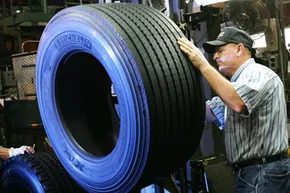
But here’s the part that changes everything. Most modern tires have steel belts under the tread. These are steel-belted radials.
Why does that matter?
Steel belts do two things. First, they stop punctures. Second, they keep the tire flat against the road. More rubber on the pavement means better traction. Your car feels surefooted. It sticks.
The sidewall holds all this together. It keeps the inner parts compact. It flexes. It absorbs the bumps.
Which Tire Type Is Safest For Daily Driving?
So you know the parts. Now you need to pick the right one.
Not all tires are created equal. A tire designed for track days will suck in the rain. A mud-terrainer will shred on the highway.
If you’re asking which tire is safer, the answer isn’t a brand. It’s a category.
For 90% of drivers, the steel-belted radial is the gold standard. It offers the best mix of grip, longevity, and puncture resistance. The steel belts keep the tread flat. That increases the contact patch. More contact means shorter stopping distances.
But you have to match the tire to the car.
Put winter tires on a summer sedan? You’ll understeer. Put performance summer tires on a family hauler in the snow? You’ll spin out.
The “safest” tire is the one that matches your climate and driving style.
Tires are the only link between your vehicle and the road. Treat them like brakes, not accessories.
Most people wait until the tread is bald. By then, it’s too late.
You’re driving on hope.


How tire specs dictate real-world safety
You can buy slicks for the track. You can grab A/Ts for the mud. Or you can stick with the all-season rubber that came on the car. The variety is endless. But safety isn’t about the brand name. It’s about fit.
A tire only works if it matches the vehicle’s engineering. Size matters. Putting the wrong diameter or width on a car messes with steering geometry and handling. Then there is the load index. Every tire has a weight rating. If your car weighs more than the tire can support, you aren’t just risking a blowout. You are inviting structural failure.
Usage dictates choice too. Driving in snow? You need biting edges. Rain? You need grooves that channel water away from the contact patch. If the tread can’t move the water, the tire floats. That is hydroplaning. You lose control. Simple physics.
Why maintenance trumps purchase price
Buying the right tire is step one. Keeping it alive is step two.
Worn tread means less rubber on the road. Less grip. Worse drainage. A bald tire can’t clear water or snow. It slides. Period.
Pressure is the silent killer. Too low? The sidewall flexes, heat builds, and contact patches smear. Too high? The tire rounds out, center tread wears fast, and the casing becomes brittle. Over-inflated tires burst easier. Under-inflated tires skid. Both increase crash risk.
Check pressure monthly. Not every six months. Monthly.
Rotate them regularly. Wear isn’t even. Front tires eat tread faster on FWD cars. Rear tires wear differently on RWD. Keep the wear pattern uniform.
Look at the sidewalls. Flaking rubber? Embedded nails? Debris? That is damage. Inspect visually. Don’t wait for a flat.
The penny test is the standard for tread depth. Insert a Lincoln penny into the groove. Head down. If you see all of Lincoln’s head, the tread is too shallow. You are under the legal limit. Get new tires.
So, are some tires safer? Yes. The safest tire is the one sized correctly for your car, suited for your driving conditions, and inflated to spec. It is not magic. It is maintenance.


