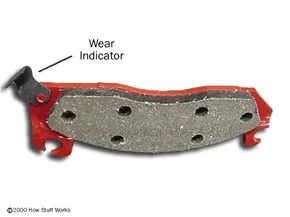
Brake servicing boils down to one task most of the time: replacing the pads. You don’t need a PhD in mechanical engineering to spot the warning signs. Disc brake pads come equipped with a small metal strip called a wear indicator. It’s a simple, effective alert system.
When the friction material wears down enough, that metal strip touches the rotor. You hear it immediately. It’s a high-pitched squeal. That sound is your car telling you to stop. You need new brake pads.
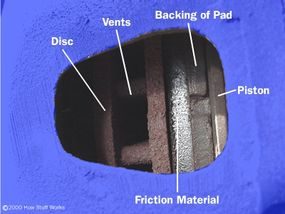
Some calipers feature an inspection opening. This little window lets you see the remaining friction material without removing the wheel. Check it regularly. Don’t wait for the noise to start.

When Rotor Refinishing Actually Saves Money
Deep scoring isn’t just cosmetic damage. It’s a symptom of neglect. When you ignore a worn brake pad for too long, the metal backing plate grinds into the rotor. You get deep grooves. The surface gets compromised. And then there is warping. That’s when the rotor loses its flatness. You feel it immediately in the pedal or steering wheel as a shudder during stops.
Both issues—deep scores and warpage—can sometimes be fixed without buying new parts. The process is called refinishing brake rotors. Mechanics also call it turning or machining. The machine shaves a thin layer off both sides of the disc. It restores a flat, smooth surface. The brake pads mate with the metal again. It works.
But here is the catch. You do not need this service every time you replace your brake shoes or pads. Refinishing is only necessary if the rotors are warped or badly scored. Doing it more often than needed is counterproductive. Every pass of the lathe removes material. The rotors get thinner.
Every disc has a manufacturer-specified minimum thickness. Go below that line, and the rotor is trash. You cannot machine it further. That specification is in your vehicle’s shop manual. If you are unsure, measure it. Do not guess.
For more information on disc brakes and related topics, check out the links on the next page.