


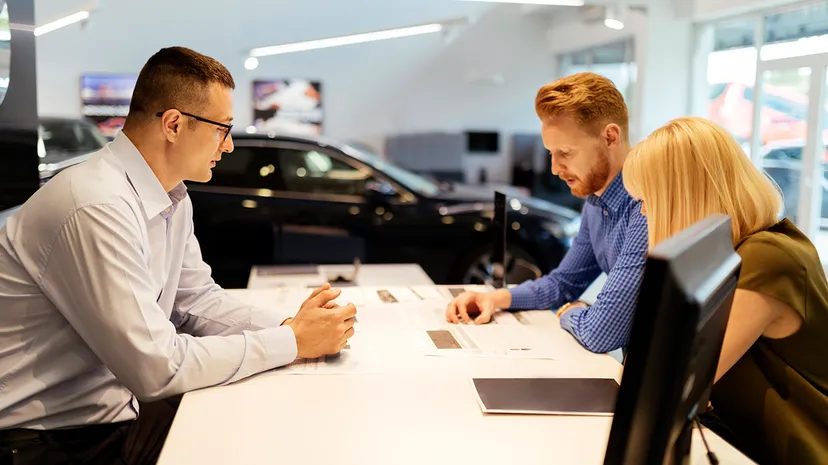
We love to hate the car-buying experience. The haggling, the paperwork, the pressure. So when two automakers at opposite ends of the spectrum announced changes to how they sell vehicles in October 2017, the internet lit up. Hyundai wanted transparency. Porsche wanted subscriptions. It felt like the end of the franchise dealership era.
It wasn’t.
Hyundai’s Transparent Pricing and Three-Day Guarantee
Hyundai Motor Co. decided to strip away the mystery of the sticker price. Their new plan, rolling out in select dealerships in Florida and Texas before expanding nationwide in early 2018, focuses on upfront pricing. No more hidden fees. You see the price online. You see it in person.
But they went further. Buyers can complete most of the paperwork from home. Done. Signed. Then, if you have cold feet, Hyundai offers a three-day money-back guarantee. That is rare. Most cars are a final sale the moment you drive off the lot. This policy attempts to remove the anxiety of commitment.
Is it revolutionary? Not really. It is just good service.
Porsche Passport: Subscriptions for the Metro Atlanta Elite
On the other end of the market, Porsche launched Porsche Passport. Starting in November 2017, residents of metro Atlanta could subscribe to the brand. No buying. No selling. Just driving.
Partnering with Clutch Technologies, Porsche allowed members to swap cars based on their tier. Want a Cayenne on Tuesday and a 911 on Saturday? Fine. No registration headaches. No mileage worries. Insurance is handled.
The catch? It is not cheap.
Prices start at $2,000 a month. That is a lot of cash for a toy. But for people who want variety without the maintenance burden, it works. It is an interesting model. A luxury subscription service. But it relies on physical locations. You have to pick up the car. You have to drop it off.
The Dealership Isn’t Dead, It’s Just Adapting
Dave Sloan, president of the Chicago Auto Trade Association, isn’t losing sleep over this. He sees these moves as evolution, not extinction.
“I think those are definitely the evolutions in the buying process, but really a continuation of what we’ve seen over the last 20 years.”
Sloan points out a simple fact. Cars are heavy. They break. They need oil changes. Even if you buy online or subscribe, you still need a place to pick up the vehicle. You still need a test drive. Dealerships provide that access.
Hyundai dealers are already used to streamlined processes. Porsche dealers still manage inventory for Passport swaps. The dealership isn’t going anywhere because someone has to hold the keys.
The Tesla Exception and Franchise Laws
Then there is Tesla. The California electric car maker operates differently. They own their showrooms. No franchisees. Customers test drive, place orders online, and take delivery.
This model clashes with state laws. Texas tried to ban Tesla in 2015. The law there was strict. Tesla employees couldn’t even discuss pricing with customers. Only independent dealers could sell cars.
Tesla fought back. They sued in Virginia, North Carolina, Texas, Minnesota, and New York. They argued that dealers were stifling innovation. They claimed the laws protected dealerships, not consumers.
Many states eventually amended their laws. Tesla got in. But Sloan argues the laws exist for a reason.
“Each state in the union has a franchise law that licenses dealers,” he says. “I think they believe that the dealers bring a lot of value to the big purchase that buying a car represents.”
It is a stalemate. Tesla pushes for direct sales. Dealers push back with state legislation. The result? A patchwork of rules.
Will You Buy Your Next Car Online?
The traditional car-buying process might be changing, but slowly. Hyundai’s three-day guarantee is a nice touch. Porsche’s subscription is a niche luxury. Tesla’s direct sales are an exception that proves the rule.
Most people still want to see the car. Touch the leather. Hear the engine. Dealerships are still the most efficient way to do that. They handle maintenance. They handle repairs. They hold the inventory.
So, should you wait for the dealership to disappear? Probably not.
If Hyundai, Porsche, and Tesla prove their models work, other automakers will follow. But until then, the franchise system remains. It is entrenched. It is stubborn. And it is everywhere.
Maybe the change is coming. Maybe it is already here. But for now, you still have to walk into a building. You still have to talk to a person. And you still have to sign the dotted line.
Or do you?
Cadillac’s NYC Subscription and South Florida’s Revolve
Cadillac has a specific play for New York City dwellers. It costs $1,500 a month. That is steep, but it bypasses the headache of buying a car in a place where parking is a myth and ownership feels like a burden. You pay, you drive, you leave the maintenance and insurance to someone else.
Then there is Revolve in South Florida. If you are in Miami or Broward, this is the alternative to leasing a single brand. Revolve doesn’t lock you into one manufacturer. You get access to a rotating roster that includes Jaguar, Tesla, BMW, and Mercedes-Benz.
Why does this matter? Because subscription services are solving the “one car for four years” boredom. Most leases force you to pick a lane. Revolve lets you switch lanes. Want to test drive a Tesla Model Y for a month, then swap to a BMW 3 Series? You can. The fee covers the vehicle, insurance, and maintenance. No down payment. No long-term commitment.
It is essentially renting with better perks. The catch? Availability. These services are capped. You cannot just sign up anytime. You wait. Or you pay more.
The real value isn’t the car. It is the freedom to not own it.
For NYC residents, the Cadillac sub is a convenience tax. For Floridians, Revolve is a toy box. Both models answer the same question: how do you access premium mobility without the asset liability? The answer is getting clearer every month.


