The board said no.
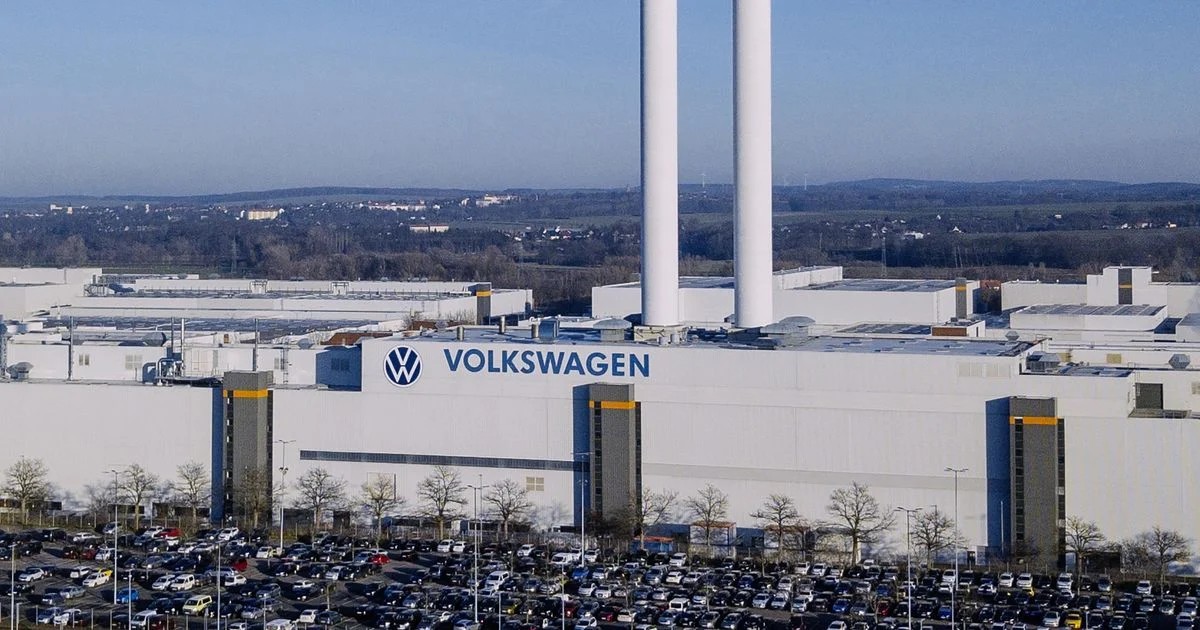
Volkswagen CEO Oliver Blume wanted to shutter four German plants and cut 100,00 jobs worldwide. The supervisory board voted that idea down flat. It was supposed to save money. It didn’t even survive the vote.
Here’s how the machine works in Germany. Two boards rule. One executes, one watches. The executive board, led by Blume, runs the day-to-day grind. But the supervisory board holds the real leash. Half its members are elected by the workers themselves. They vote on strategy. They pick executives. They set paychecks. You cannot make moves this big without them.
Blume has been circling the wagons for months.
Paper-thin profit margins. That is the mainstream VW brand today. He needed a fix. Fast. By late last week, his team had cooked up a restructuring plan packed with twelve sharp initiatives.
They want to halve the model range.
Seventy-five percent reduction in variant complexity? Do the math. That is brutal. They also want to slash annual production from 10 million cars down to 9 million. Less product. Fewer cars. Cheaper bills.
Or so they thought.
Whispers circulated that Blume targeted the Hannover, Zwickau, and Emden plants for the chopping block. Even Audi’s Neckarsulm facility wasn’t safe. The goal? 100,00 new global cuts by 2030. On top of 50,00 already handed to the unions. A bloodletting.
Excess capacity costs money
That quote came from an intranet interview with Blume himself. He argued it coldly. No new products were scheduled for those four sites in the 203s. Without future life, they were liabilities. He admitted “intelligent solutions are always better than closed a plant,” though he remained curiously quiet on what those solutions might actually be.
Smart maybe. Not enough for the board.
Local reports via Manager Magazin show the 19-member supervisory board turned it down. Ten worker reps said no. Two representatives for the state of Lower Saxony joined them. The closure proposal is dead.
What’s left is messy.
VW is already trying to offload other assets, selling the Osnabruck factory to Rafael Advanced Defence Systems for Iron Dome parts. Arms deals feel like a different world entirely, don’t they? But this internal rot runs deeper than real estate.
Trust is gone.
The works council didn’t mince words. They blasted employees with a special newsletter noting a “massive loss of trust” in Blume. He took the job in 202 promising he worked “for the people.” That goodwill evaporated. Quickly.
By now, however, virtually nothing that remains.
The council called out Blume for dragging his feet. For keeping tens of thousands of workers in the dark while fear settled in. He withheld key facts for weeks. Letting anxiety build. Then dumping a restructuring plan on top of it.
The factories stay open. For now.
Blume wanted surgery. The board gave him a band-aid. The profits are still thin. The competition is still hungry. He has to find a way to cut costs without breaking the company. Or the people inside it.
We will see how long this fragile standoff lasts.