Lithium-ion cells are taking over. You see them powering everything from your phone to the most aggressive electric vehicles on the road. But their next big conquest is closer than you think. The hybrid market, long dominated by older tech, is finally flipping the switch. Nickel-metal hydride (NiMH) batteries, the workhorses of the last decade, are getting pushed out. Lithium-ion (Li-ion) is moving in.
The cost argument used to keep Li-ion on the sidelines. High manufacturing expenses made them a luxury item. That’s changing. As production scales up, the price per cell drops. Automakers are watching these trends closely. The goal is simple. Lower battery costs mean lower vehicle prices. Eventually, hybrid prices will match conventional gasoline models. It’s not a matter of if, but when.
Why make the switch? Speed. Specifically, recharge speed. Hybrids need power fast. They need it again, and again, during stop-and-go traffic. Li-ion excels here. The energy stored in these cells is accessible instantly. Add regenerative braking into the mix, and you get a system that recharges rapidly. The battery isn’t just sitting there; it’s actively feeding off the kinetic energy of braking. NiMH batteries can’t match this responsiveness.
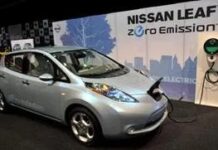
Despite the hype, Li-ion isn’t everywhere yet. Most hybrids on the street still run on NiMH. The Toyota Prius. The Honda CR-Z. The Ford Escape. These proven hybrids rely on nickel-metal hydride packs. They work. They’re reliable. But the new guard is already here. The Chevy Volt and the Fisker Karma use lithium-ion cells. They’re different beasts. Different chemistry. Different performance characteristics.
The question isn’t whether the switch will happen. It’s which battery technology wins the war for efficiency and affordability. We’re breaking down exactly how these two power sources compare.
The Chemistry of Efficiency
Li-ion batteries operate on a different principle than their nickel-metal hydride counterparts. This isn’t just a tweak. It’s a fundamental shift in how energy is stored and released.
The key metric here is energy density. Li-ion packs store more energy in less space and less weight. This matters for vehicle design. Heavier batteries kill efficiency. They require more power to move. By shedding weight, automakers can squeeze more range out of smaller packs. Or, they can keep the range the same and make the car lighter overall.
NiMH batteries are heavier. Bulkier. They dominate the hybrid market because they were cheap and robust. They handle abuse well. But they lack the punch of lithium-ion. When you need a burst of acceleration, NiMH struggles to deliver the current as quickly. Li-ion doesn’t hesitate. It dumps power.
This rapid discharge capability aligns perfectly with hybrid driving cycles. You accelerate hard. Then you brake. Then you accelerate again. The battery needs to accept charge quickly during braking. Li-ion handles this stress better than NiMH. The ions move faster. The resistance is lower. The result is a more responsive vehicle.
Cost Trajectories and Market Adoption
Price is the final hurdle. NiMH batteries have been the standard for years. Supply chains are mature. Manufacturing is optimized. Li-ion is catching up.
As demand grows, economies of scale kick in. More production means lower

The Material Science Divide
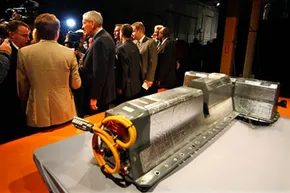
At its core, the battle comes down to what’s actually inside the casing. Lithium-ion packs rely on carbon anodes and highly reactive lithium cathodes. That chemistry allows them to pack a serious punch in terms of energy density. Nickel-metal hydride (NiMH) batteries take a different route. They use hydrogen ions stored within a metal hydride matrix—typically nickel paired with a stabilizing metal like titanium or lanthanum. It’s a fundamentally different mechanical approach to holding electrons.
Cost: The Scale Game
Right now, NiMH batteries are the cheaper option on the shelf. The manufacturing infrastructure is mature, and the materials aren’t as pricey. But that gap is closing. Lithium-ion production is scaling up rapidly. As demand from the EV and hybrid markets explodes, economies of kick in. More volume means lower unit costs. We’re looking at a future where Li-ion isn’t just performance-driven but cost-competitive, potentially undercutting NiMH as factory lines optimize.
Weight: The Inertia Penalty
Size matters. A lot. NiMH cells are physically bulkier and heavier than their lithium counterparts. In a hybrid application, every pound of battery weight is dead weight the electric motor has to haul around. When the gas engine kicks off and you’re running purely on electric power, that battery pack has to overcome the vehicle’s inertia on its own. Heavier batteries mean more energy is wasted just moving the battery itself. Li-ion’s higher energy density means you get more range per pound, making the car feel lighter and more responsive.
Power Delivery and Memory Effect
Here is where the lithium chemistry shines. While both battery types can store a comparable amount of total energy, Li-ion cells can accept and release that energy much faster. They handle rapid charge and discharge cycles without breaking a sweat.
Then there is the memory effect. NiMH batteries suffer from it. If you recharge them before they are fully depleted, the battery “reminds” itself of that shorter cycle and reduces its effective capacity over time. Lithium-ion batteries are largely immune to this. You can top them off without degrading the long-term storage capacity. It’s a practical advantage for daily driving habits that don’t involve full drain cycles.
Durability in the Heat
NiMH has an edge in longevity, particularly in harsh environments. Some lithium-ion chemistries struggle in extreme heat. High temperatures accelerate degradation in Li-ion cells, potentially shortening their lifespan compared to the robust, battle-tested NiMH packs. However, manufacturers aren’t sitting still. New electrolyte formulations and thermal management systems are being engineered specifically to keep Li-ion cells cool and stable in hot climates. The goal is to match the vehicle’s lifespan, not just the battery’s.
The technology is still evolving. We’re moving toward a world where the distinctions blur. But for now, the choice between these two power sources dictates how the car feels, how much it costs to replace, and how it handles the extremes.