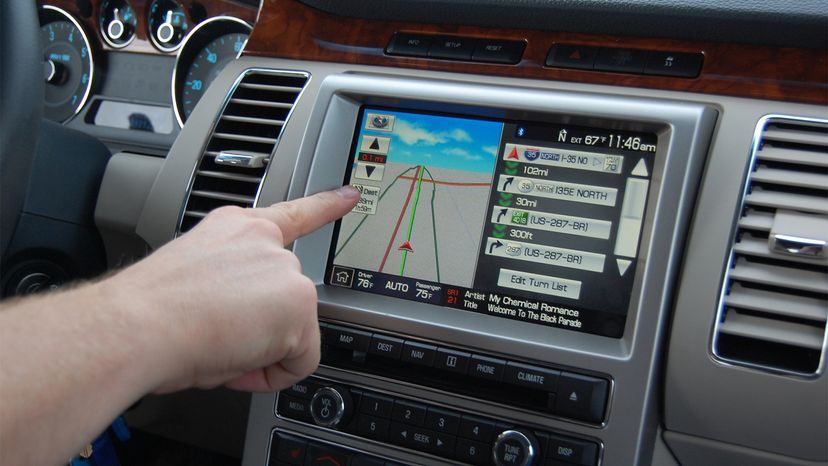
Your car is no longer just a machine with wheels. It’s a data center on tires. Just as you scrub your smartphone before handing it off to a stranger, you need to aggressively clean your vehicle’s infotainment system. These modern interfaces hoard everything from credit card numbers to your daily commute routes. If you wouldn’t let a random person scroll through your phone’s gallery, you absolutely shouldn’t leave that same digital footprint accessible to the next driver.
The burden is on you. Even if a dealership promises to reset the unit as part of their reconditioning process, don’t bet your privacy on their diligence. Take control. Here is exactly how to protect your digital identity before transferring ownership.
How to securely erase vehicle data
The Federal Trade Commission treats cars like smartphones for a reason. They are, functionally speaking, connected computers. If you aren’t tech-savvy, this list might feel intimidating. It shouldn’t be. Break it down. Here is the checklist for securing your data before you sell, trade, or donate.
- Dissolve subscriptions. Cancel or transfer data plans, Wi-Fi hotspots, and emergency services. Don’t forget satellite radio or music streaming accounts tied to the vehicle’s profile.
- Log out of apps. Sign out of any mobile apps integrated into the car or those paired via your phone. Ensure account credentials don’t auto-populate for the next user.
- Empty the contacts. Delete every name and number from the phonebook.
- Scrub navigation history. Remove saved addresses, favorites, and trip logs from the GPS.
- Break Bluetooth ties. Unpair all devices. This severs the link to your smartphone’s call and message history.
- Reset the garage opener. Reprogram or delete any stored automatic garage door codes.
- Clear internal storage. If your car has a built-in hard drive, wipe the music and data files.
- Check removable media. If there’s an SD card slot, ensure it’s empty or remove the card entirely.
- Execute a factory reset. Consult your owner’s manual. Most newer models have a hard reset feature that restores factory settings.
The effort required scales with the age of your vehicle. An older model might only need a Bluetooth unpairing. A newer connected car demands a full audit. The FTC warns that a factory reset isn’t always a magic bullet. It may not purge all cached data or cloud-synced information. Double-checking is worth the time.
Don’t have the patience for a forensic digital cleanup? Guardian Data Destruction offers a service called Clear My Data. Launched in early 2019, this service handles the wiping process for you. It’s ideal if you’re afraid of missing a hidden file. Note that this specific service is currently limited to the New Jersey metropolitan area.
What to do with rental car data
You don’t need to own the vehicle to risk exposing your private information. Rental cars are data traps. Plug your phone into the USB port, pair via Bluetooth, or use the navigation, and the car’s computer likely caches your personal details. You’re in a worse position than when selling your own car. You don’t know the interface. You’re probably stressed about catching a flight. You definitely don’t want to spend twenty minutes deciphering a dense owner’s manual in the glovebox.
Avoiding data entry is the easiest fix, but it’s impractical. You need hands-free texting. You need music. You need to know where you’re going.
So, what is the best way to handle rental vehicle privacy? Use an app designed for this exact problem. Privacy4Cars scans the vehicle identification number (VIN) or accepts the make, model, and year. It then generates a step-by-step tutorial specific to that car’s interface. It shows you exactly which buttons to press to delete your data. The app is free for the first ten scans. And here is the kicker: you can use it on your own car, too.
New connectivity tech isn’t going away. Cars are becoming rolling servers. If you’re resistant to the idea, keep driving your clunker. But if you’re buying new, accept that you’ll need to learn the digital quirks of your vehicle. Start treating your car’s settings with the same paranoia you apply to your bank account. It’s the only way to stay safe in a connected world.