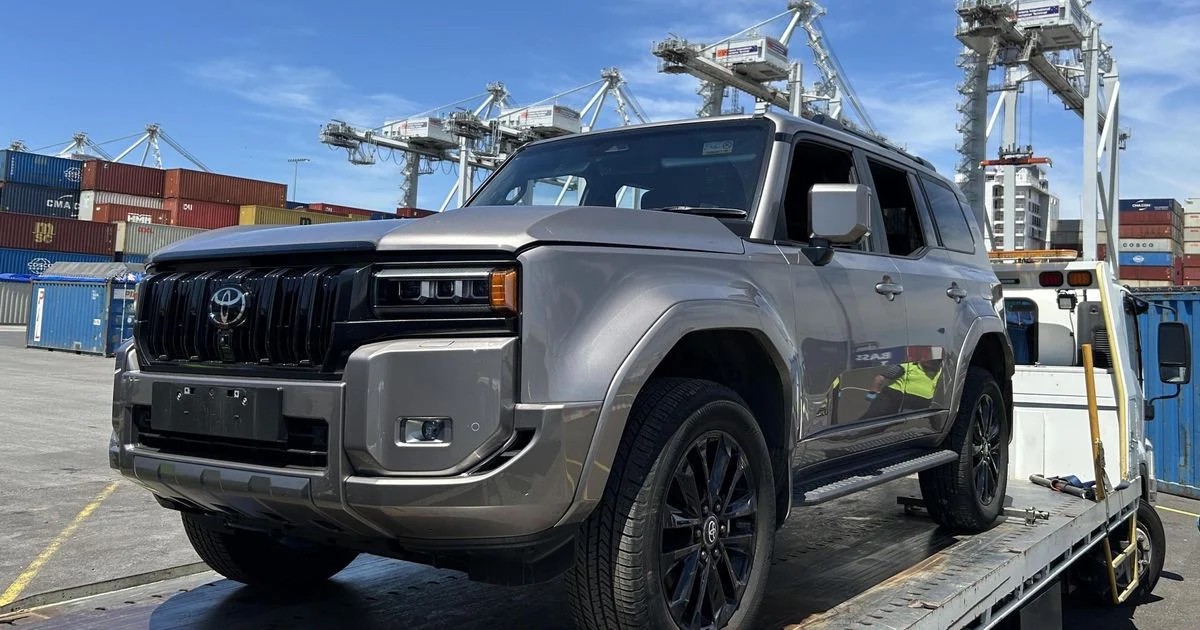
Toyota Australia has announced new security upgrades for its most targeted models to combat a sophisticated wave of vehicle thefts. The manufacturer confirmed that an additional immobiliser will be integrated into the LandCruiser 300, Prado, and HiLux series by mid-year.
A Targeted Response to Sophisticated Theft
The decision follows a series of high-value thefts that have specifically targeted Toyota’s heavy-duty and utility vehicles. These models are highly sought after in the global black market, often due to their durability and high resale value.
To counter these threats, Toyota has been incrementally enhancing its security protocols. The upcoming immobiliser follows a previous move where the company added official steering-wheel locks to its genuine parts catalogue for the LandCruiser 300 Series.
The “CAN Bus” Vulnerability
The recent spike in thefts is not merely a matter of broken windows or forced entry; it involves highly technical criminal methods. Authorities have identified that syndicates are increasingly using the CAN bus port —the vehicle’s internal communication network—to bypass security.
By accessing this port, thieves can:
– Take direct control of vehicle functions.
– Disable GPS tracking systems, making the vehicles nearly impossible to locate once stolen.
– Bypass standard electronic security measures.
This shift toward “cyber-physical” theft represents a growing trend in organized crime, where criminals use specialized hardware to outmaneuver standard factory security.
An Industry-Wide Challenge
Toyota Australia’s Vice President of Sales and Marketing, John Pappas, emphasized that the problem extends far beyond a single brand. He described the situation as an “industry-wide issue” that requires a coordinated response from a “total ecosystem,” including:
- Automotive Manufacturers (OEMs): Developing more robust electronic defenses.
- Law Enforcement: Investigating the organized syndicates behind the thefts.
- Government & Legislators: Regulating the devices used by criminals and increasing surveillance at shipping ports.
Pappas specifically noted the need for legislative action to restrict the availability of certain devices to sophisticated syndicates, while simultaneously legitimizing the tools used by professional locksmiths and auto technicians.
The Scale of the Crime
The severity of the issue was highlighted by a recent police operation in Queensland. In late 2025, authorities arrested seven individuals allegedly linked to a massive crime syndicate. The scale of their operation was staggering:
In just six weeks, the group was accused of stealing more than 60 Toyota vehicles with an estimated value exceeding $8 million.
The stolen vehicles were reportedly loaded into shipping containers to be trafficked and sold in overseas markets, highlighting the international nature of these theft rings.
Conclusion
Toyota’s move to add hardware-level immobilisers reflects a desperate race to stay ahead of increasingly tech-savvy criminal syndicates. While new vehicle security is a vital step, the company maintains that long-term success will require stricter port surveillance and legislative reform to disrupt the global supply chains used by thieves.