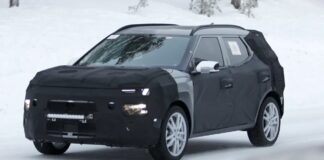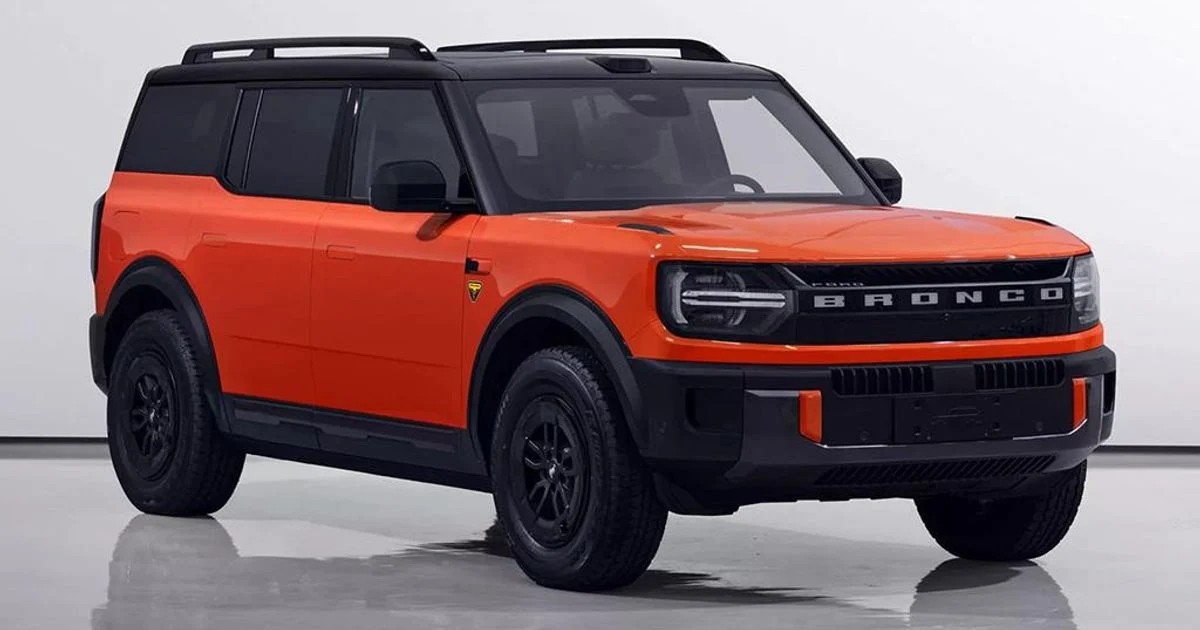
The Bronco New Energy isn’t here yet. It’s not even official.
But listen to the whispers. The extended-range electric Bronco — that EV that carries a gas tank to save the battery — could land in Australian showrooms by late 2026. Or maybe early 2027.
Price tag? Sub-$60,000.
Why? Because that’s the price point the Tesla Model Y dominates. Ford wants to compete. And since Ford Australia’s marketing director Ambrose Henderson can’t quite say “yes” without getting in trouble, let’s look at the rest of the board.
Henderson was vague, as executives love to be. He called the Chinese-sourced Bronco a “super hybrid.” He called it the “first extended-range tech in the Ford world.” He said lots of people at the Beijing motor show were excited.
But he didn’t commit. Not really.
“We don’t have anything to confirm today,” he told CarExpert at a Ranger launch outside Melbourne.
He also said the Australian team actually helped design this new Bronco. They tested it. It’s just based on a platform that currently only exists on the wrong side of the road.
It’s not just the Bronco
Ford isn’t planning to just drop the Bronco and leave. If the business case exists — meaning people buy them — other Chinese-made Ford models could follow.
Ford makes a ton of cars in China. Through joint ventures with Changan and JMC.
There’s the Escape. The Explorer. The Edge L. The Mondeo sedan and the liftback version of it. SUVs called Equator and Equator Sport.
These aren’t just for China. The Equator models, for instance, are built for export. Both left-hand and right-hand drive.
Why are they over there and not here?
Because bringing a car to Australia is hard. It’s not just about slapping a logo on a car made in Shenzhen and hoping for the best. You have to meet Australian Design Rules. Safety standards here are different.
Henderson made this point sharply.
“It’s not about let’s bring in as many products as we are and see which one works. That’s not our model.”
Ford doesn’t play the lottery with cars. They pick specific segments. Ranger. Everest. Transit. Mustang.
If they bring a cheaper Chinese EV in to slot below the Mustang Mach-E, they have to ensure it fits the brand. They have to ensure it sells.
The Mustang problem
The Mustang Mach-E is expensive. $65,999 starting price before on-road costs. It drives great, Henderson insists. He even calls it a “wonderful and joyful car to drive” and admits his wife loves it.
But it’s not built in China. That costs more.
Ford knows it. They cut the Mach-E price earlier this year. They tweaked it. Sales improved.
But there is a hole in the lineup. A gap where a cheaper, Chinese-built electric or hybrid could live.
China provides a massive cost advantage. Everyone knows this. But cost isn’t the only variable.
The government has a plan. Ford is nervous.
Enter the New Vehicle Efficiency Standard (NVES).
It’s the federal government’s new emissions game. If you sell polluting cars, you get fined. If you sell clean ones, you get credits you can sell to others.
Ford actually passed its initial 2025 target. By a lot.
They banked over 400,000 interim credits in late 2025. That saves millions in potential fines.
“You would have seen what was reported,” Henderson said. “Many were surprised.”
Ford isn’t sweating the NVES right now. They have credits. Plenty of them.
But Henderson doesn’t trust the trajectory. He thinks the path is too aggressive. Too fast for tradies. For people who drive cross-country and need their utes to actually work when there is no charging station for three hundred kilometers.
Infrastructure. That’s the missing piece. It doesn’t really exist outside major cities yet.
So Ford prefers “transitional technologies.”
Hybrids. Plug-in hybrids. Things like the Bronco New EREV. Things like the Ranger Hybrid.
The Ranger is eating everything
Forget the SUVs for a second. Look at the ute.
Diesel prices spiked recently. People got scared.
Then the Ranger Plug-in Hybrid got cheaper. Up to $10,00 cheaper in the 2026 update.
Dealers are running out of stock.
The MY26 Wildtrak Hybrids are basically gone. Henderson won’t say the exact sales percentage of Hybrids vs pure Rangers, but sources suggest hybrids now account for about 20% of Ranger sales.
That number is likely higher in some dealerships. It’s spiking.
Orders are moving faster than Ford planned. “Great thing,” he said, though it sounds more like a headache wrapped in good news. They have to shuffle shipping schedules to get more PHEVs to Australia before the MY26.5 models land in the third quarter of this year.
Exchange rates matter. Fuel prices matter. Tariffs matter.
The NVES is just one part of the math.
Ford won’t flood Australia with Chinese EVs just because it’s easy. They won’t. But if the Ranger PHEV proves there’s hunger for electrified Ford vehicles that aren’t purely battery-powered, the Bronco New Energy might just slip in.
Or the Equator.
Or the Escape.
We’ll see.