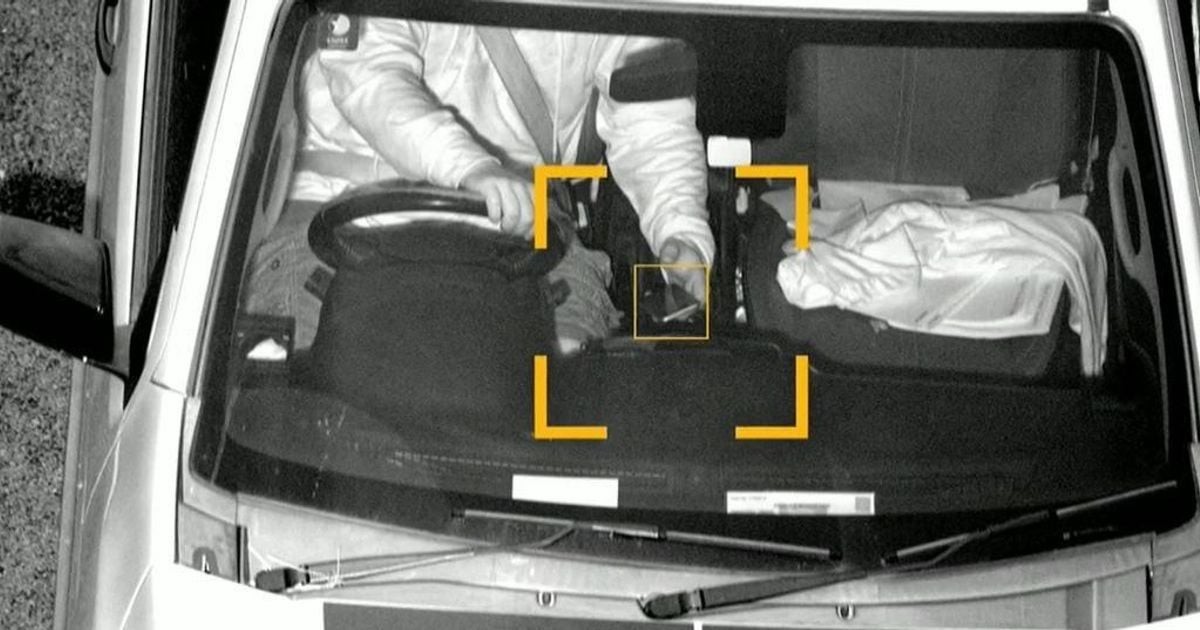
The Western Australian government has withdrawn more than $1.1 million in traffic fines issued by newly implemented artificial intelligence (AI)-assisted road safety cameras. This decision follows the cancellation of over 2,000 infringements, primarily targeting motorists who were penalized for seatbelt and mobile phone violations.
Addressing the Learning Curve
The decision to waive these fines stems from a recognition that many motorists were caught off guard by the new technology. According to WA Road Safety Minister Reece Whitby, a significant number of the waived penalties were issued to drivers in quick succession—individuals who had not yet adjusted their behavior to account for the presence of the high-tech sensors.
The AI cameras represent a significant technological shift in traffic enforcement. Unlike traditional cameras, these units are designed to look directly into the vehicle’s cabin, allowing them to detect:
– Illegal mobile phone usage.
– Improper seatbelt positioning for both drivers and passengers.
The Accuracy Debate and Scale of Enforcement
The rollout of AI-driven enforcement has not been without controversy. Similar technology has faced scrutiny in other regions, including New South Wales and Queensland, due to concerns regarding privacy and the potential for false positives —instances where innocent drivers are incorrectly flagged by the algorithm.
Despite these concerns, the scale of enforcement in Western Australia is unprecedented. The Minister noted that the ability of these cameras to monitor the interior of a vehicle allows for a level of detection that was previously impossible.
To put the recent mass-waiver into perspective:
– 53,000 fines for improper seatbelt use have been issued via AI cameras in WA.
– The 2,000 withdrawn fines represent less than 4% of the total infringements.
Minister Whitby argued that this low percentage indicates the system is functioning as intended, noting that the ability to overturn incorrect penalties proves there is a mechanism for accountability.
A Growing Trend in Automated Revenue
The debate in Western Australia mirrors a broader trend across Australia regarding the intersection of technology, safety, and government revenue. In Queensland, for example, the implementation of high-tech enforcement has coincided with record-breaking fine revenues, even as the total number of offenses decreased. This raises ongoing questions about whether AI cameras are primarily tools for public safety or highly efficient mechanisms for state revenue collection.
While the government intends to expand the use of these cameras, they have committed to a “careful and staged approach” to mitigate public backlash and technical errors.
“These new safety cameras have actually changed behaviour, and I have no doubt they’ve actually saved lives,” stated Minister Whitby.
Conclusion
The waiver of $1.1 million in fines serves as a middle ground for the WA government, acknowledging the technical growing pains of AI enforcement while maintaining the momentum of a high-tech safety rollout. Ultimately, the success of these cameras will be judged by whether they continue to reduce accidents or simply increase the efficiency of traffic penalties.