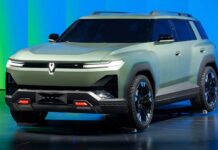
Volkswagen is pivoting its strategy in China, using its specialized Jetta brand to fight for a foothold in the increasingly competitive low-cost electric vehicle (EV) segment. At a recent media event ahead of the Beijing Auto Show, the brand unveiled the Jetta X concept, a pure electric SUV designed to signal a major shift toward New Energy Vehicles (NEVs).
A Distinct Identity in the Chinese Market
It is important to note that “Jetta” in China does not refer to the classic sedan familiar to Western drivers. Instead, it operates as a standalone, entry-level brand under the FAW-Volkswagen joint venture. Since its launch in 2019, Jetta has focused on affordable internal combustion engine (ICE) vehicles, but it is now undergoing a rapid transformation to meet the growing demand for electrified transport.
The brand has set ambitious mid-term goals, aiming for annual sales of 400,000 to 500,000 vehicles. To achieve this, Jetta plans to roll out five new models by 2028, four of which will be NEVs (including plug-in hybrids and all-electric models).
The Jetta X Concept: Design Over Specs
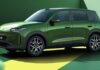
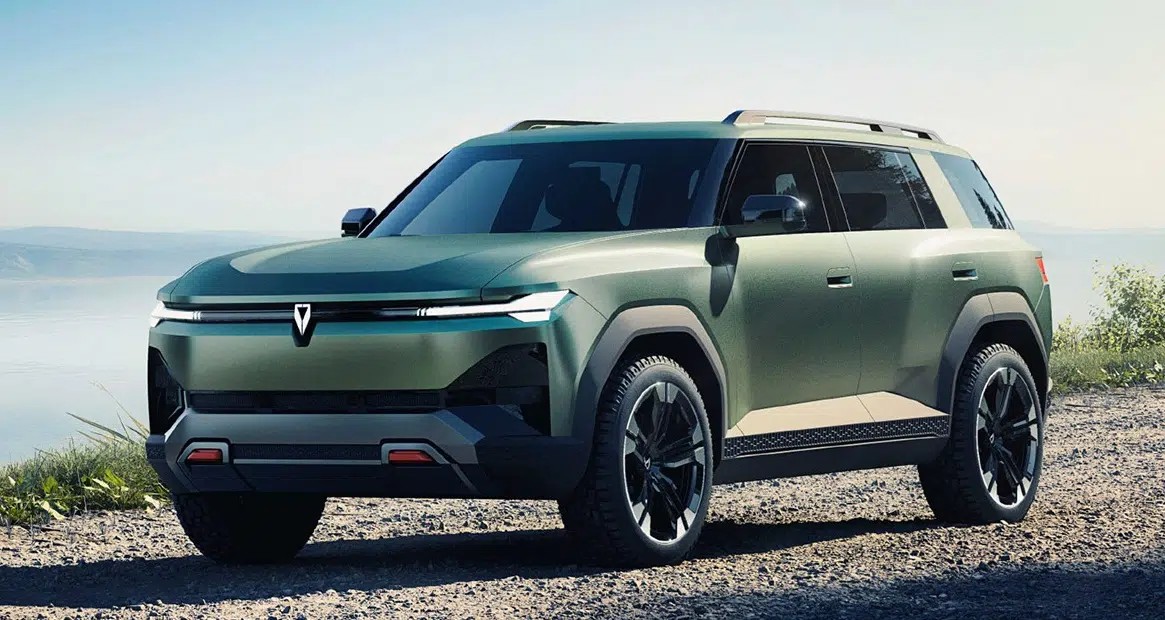
While Volkswagen withheld specific technical data—such as battery capacity, range, or powertrain details—the Jetta X concept provided a clear vision of the brand’s aesthetic direction.
The concept features a rugged, “boxy” silhouette characterized by:
– Pronounced fenders and trapezoidal wheel arches with black cladding.
– Minimalist interior design dominated by large digital screens and a reduction in physical buttons.
– Modern lighting signatures, including narrow LED strips at both the front and rear.
– Sporty accents, such as skid-plate styling and red tow hooks.
Targeting the $15,000 Sweet Spot
The Jetta X is more than just a design study; it represents a strategic move into the high-volume, budget-conscious segment of the Chinese market. Jetta is specifically targeting the 100,000 yuan (approximately $14,700 USD) price band.
This move is a direct response to the shifting landscape in China. Local Chinese EV manufacturers have become incredibly efficient at producing high-tech, affordable electric cars, squeezing traditional foreign automakers out of the lower price tiers. By using the Jetta brand to target this segment, Volkswagen can compete on price without diluting the premium image of its main Volkswagen marque.
The Broader Context: A Struggle for Relevancy
This aggressive push comes at a difficult time for Volkswagen Group in China. The company is facing a significant downturn in sales as the market shifts away from traditional gasoline engines:
– Declining Sales: Volkswagen’s overall sales in China fell by 22.1% in March compared to the previous year, marking nine consecutive months of decline.
– The EV Gap: While Chinese consumers are rapidly adopting EVs, Volkswagen’s current electric lineup has struggled to gain significant traction against domestic rivals.
– Local Competition: To survive, Volkswagen is increasingly relying on localized development, creating products specifically tailored to Chinese tastes and price points rather than relying on global models.
With the first mass-produced Jetta NEV expected to hit the market later this year, the success of this “budget-first” strategy will be a critical indicator of whether Volkswagen can reclaim its dominance in the world’s largest automotive market.
Conclusion
By leveraging the Jetta brand to target the sub-$15,000 EV market, Volkswagen is attempting to combat declining sales and catch up to domestic Chinese competitors in the race for electrification.