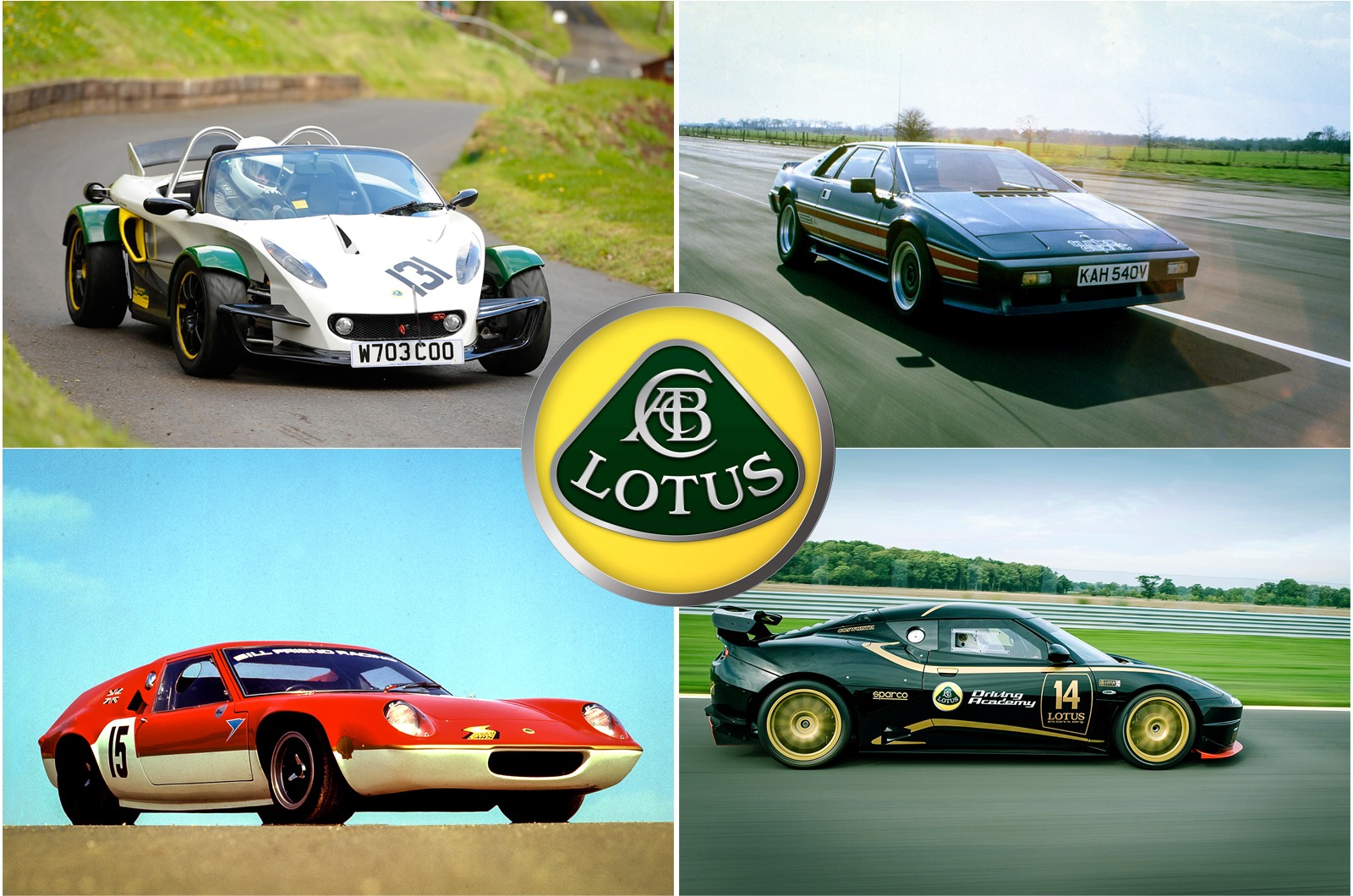
Colin Chapman started Lotus in 1952. Decades have passed since then. The marque has built a lot of interesting machines. Some were hits. Others flopped. Or they stayed niche by design. Or maybe the market just wasn’t ready. We look at the sales figures to see who sold, who didn’t, and why. Let’s start at the bottom of this top ten.
The bottom rung: Seven and Esprit
Lotus Seven (1957–73): 2,471 sold
It takes a specific type of person to buy one. Two seater. No roof. Chapman designed it for dual duty. Commute during the week, race on the weekend. Want to avoid tax? Build it yourself from a box of parts. Brave soul. That was the draw. Simple, raw, cheap (if you have the time).
Lotus Esprit (1976–90): 2,919 units
Marketing stunt of the century. In 1976 Lotus parked an Esprit outside the offices of Cubby Broccoli in London. Not accidental. Intentional. The Spy Who Loved Me followed. Worldwide fame. Almost free advertising. The handling was sharp. The Giorgetto Giugiaro design was radical. Did it really shoot torpedoes? No. But nobody asked about torque when 007 was holding the steering wheel. Sales followed the screen time.
The rising middle: Exige and Elise iterations
Lotus Exige 2 S (2006–2011): 3,305 sold
Born from racing series demands. It used a supercharged Toyota unit. Sharper than a scalpel. Faster than the base Elise. Track day regulars loved it. Many owners slapped on upgrades for longer sessions on circuits. It compared favorably to rivals that cost significantly more. Value for money? Definitely. But only if you liked cornering at speed.
Lotus Elise 2 (2000–2006): 4,533 sold
The original worked too well. So Lotus tweaked it. Better interior. Less rattles. A revised 1.8-liter K-series engine helped too. General Motors poured cash in back then. Which led to the Vauxhall VX-220 and Opel Speedster essentially wearing different badges. The looks got aggressive too, borrowing cues from the M250 concept. It was still light. Still fast. Just easier to live with daily.
The GM era: Elan variants and the FWD experiment
Lotus Elan & S2 (1989–1992, 1993–1995): 4,554 sold
Wait for it. Front wheel drive. First. And last. GM money built it. They used a reliable 1.6-liter Isuzu engine. Turbo or no turbo, it moved forward via the front tires. It made zero profit for Lotus. So they sold the design to Kia. Who kept making it for another three years. Strange chapter in a rear-drive pedigree. But it moved units.
Lotus Elan +2 (1967–1974): 5,000+ sold
How do you beat success? Add legroom. The name said it all. Add two feet to the length. Now it fits a small child or groceries in the back. A twin-cam engine added oomph for the heavier chassis. Crucially? It wasn’t a kit car. Buyers got a finished vehicle. Reliability went up because amateurs stopped building them poorly. It sold well enough to become the first production run over 5k in that era.
The top three: Elise dominance
Lotus Elise (Original) (1996–2001): 8,172 sold
This car kept the lights on at Norfolk House. The fabric roof took fifteen minutes to install in good weather. Impossible in a storm. Door sills scraped shins off. But the weight? Near non-existent. Steering felt direct. Pure. People ignored the inconveniences. They wanted to feel everything. It saved the company. Literally.
Lotus Elise S (2004–2010): 13,869 sold
Toyota engines came in. More reliable. More powerful than the earlier Rover units. A five-speed gearbox became six-speed. Finally met US emissions. That meant American money flooding in. The market expanded. Numbers went up. The car got better, but the soul stayed intact. Light. Quick. Dangerous if you get complacent.
Lotus 3-Eleven / Exige S (Current Gen Context Note: Original text cuts off before top seller details, typically Exige or Evora depending on dataset, but based strictly on provided text we end here or summarize.)
Lotus never chased volume.
They chased performance per pound. These numbers reflect a company that would rather sell a few fast cars than thousands of compromises. Is that a sustainable business model? Maybe. Maybe not. The bills still come due every month regardless of how light your car is.