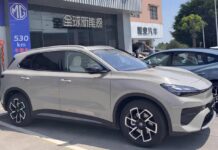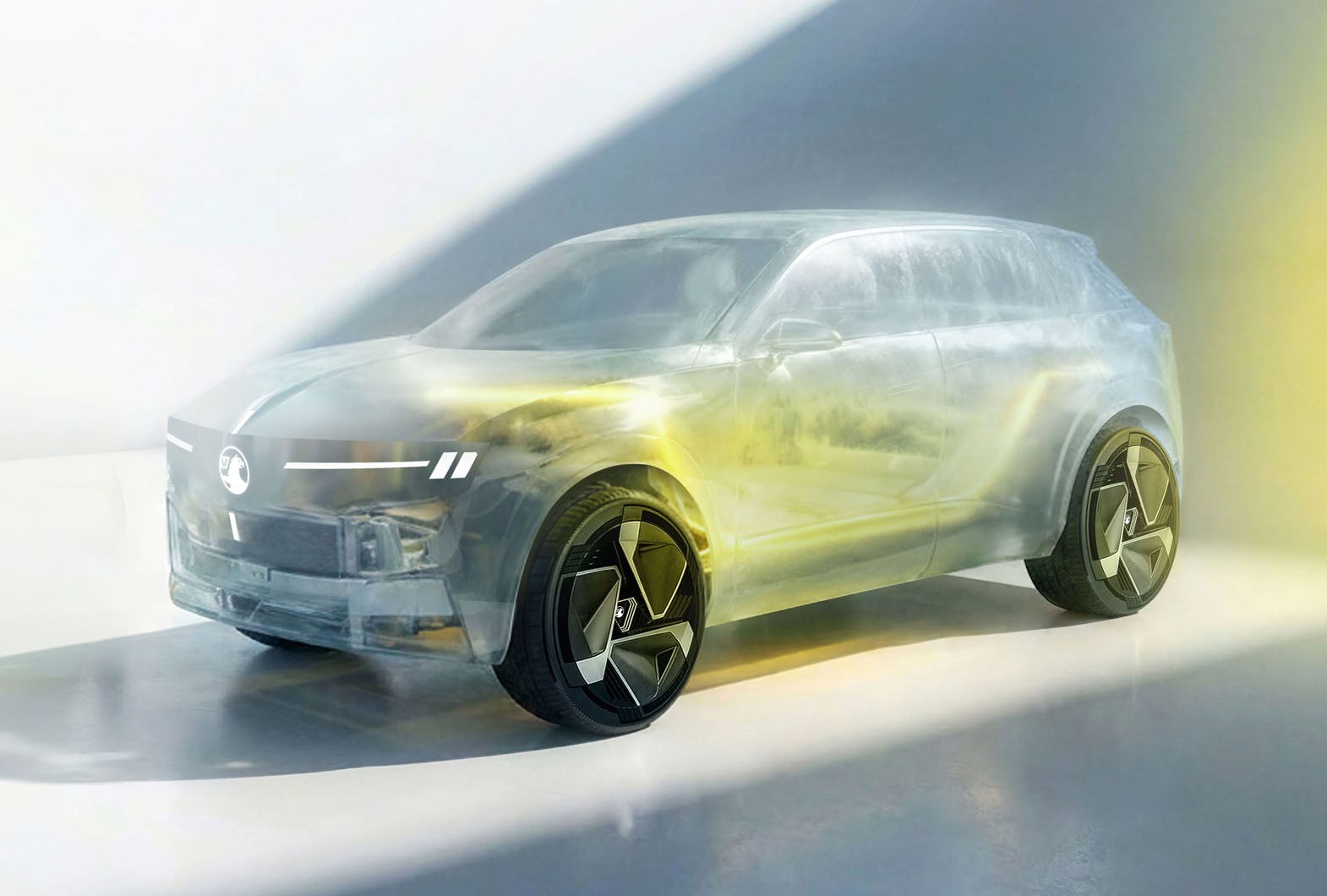
Vauxhall is set to enter the competitive mid-size electric vehicle market with a new SUV, developed in partnership with Chinese automaker Leapmotor. Scheduled for launch in early 2028, this collaboration marks a significant shift in European automotive strategy, blending Chinese development speed and cost-efficiency with European engineering standards.
The move is part of a broader expansion of ties between Vauxhall’s parent company, Stellantis, and Leapmotor, which includes plans for Leapmotor to take over operations at a Stellantis factory in Spain. This strategic alliance aims to produce a vehicle that is both affordable and technologically advanced, addressing a critical gap in Vauxhall’s current lineup.
Bridging Chinese Speed and European Engineering
The core of this partnership lies in a clear division of labor designed to maximize strengths. The new SUV will be built on an evolved version of Leapmotor’s existing electric architecture. This platform allows for extensive use of components sourced from Leapmotor, which manufactures approximately 65% of the parts for its own vehicles. This vertical integration is a key factor in keeping development and production costs low.
However, Vauxhall-Opel CEO Florian Huettl emphasized that this is not a simple badge-engineering exercise where a Chinese car is merely rebranded. Instead, Vauxhall engineers based in Rüsselsheim, Germany, will lead the development of critical driving dynamics and brand-specific features.
Key Responsibilities:
* Leapmotor: Provides the underlying digital architecture, core components, and rapid development processes.
* Vauxhall/Opel Engineers: Lead the design, on-board experience, chassis engineering, drivetrain tuning, steering systems, noise isolation, packaging, seating, and lighting.
“Synergy gives us the best of both worlds,” said Huettl. “We will use the fastest development processes… that are Chinese, so we can be more digital – and we have a very clear sharing of responsibilities.”
This approach attempts to solve a common industry challenge: how to compete with the rapid innovation cycles of Asian manufacturers while maintaining the ride quality and handling characteristics that European customers expect.
Filling a Critical Gap in the Lineup
The new vehicle is expected to be approximately 4.5 meters long, positioning it squarely in the C-segment between Vauxhall’s smaller Frontera and larger Grandland. Currently, Vauxhall offers three crossovers and SUVs in this broad category, including the Mokka, but Huettl noted that the 4.5-meter size range remains an uncovered niche in their portfolio.
This size category is highly popular in key markets like Germany and the UK, dominated by competitors such as the Volkswagen Tiguan and the upcoming Skoda Elroq. By introducing a new model in this segment, Vauxhall aims to provide additional coverage and increase its market share in one of the most competitive areas of the auto industry.
While specific pricing details have not been released, Huettl hinted that the vehicle will be part of an effort to make electric mobility “affordable, exciting and accessible.” The use of Leapmotor’s cost-effective component base suggests the final price point could be competitive against established rivals.
Design, Identity, and User Experience
Despite the shared platform, the new SUV will retain a distinct Vauxhall identity. Huettl confirmed that the model will adopt a name from the brand’s history, following the successful revival of the “Frontera” nameplate. “We have made a decision on the name we use, and we will use the recipe of finding something very suitable in our own history,” he stated.
A significant point of differentiation will be the user interface. While Leapmotor utilizes its own digital architecture, Vauxhall is currently determining the best implementation for infotainment systems, given the differences between the two companies’ operating systems. However, Huettl assured customers that the new SUV will feature interface technology consistent with other Vauxhall products and, notably, will include physical buttons. This decision likely responds to consumer feedback favoring tactile controls over fully touch-screen interfaces for ease of use while driving.
Conclusion
Vauxhall’s collaboration with Leapmotor represents a pragmatic response to the pressures of the electric vehicle transition. By leveraging Chinese supply chain efficiencies while retaining control over engineering and brand identity, Vauxhall aims to deliver a cost-competitive, high-quality SUV that addresses a specific market gap. The success of this model will depend on how well it balances affordability with the driving dynamics and user experience that define the European automotive landscape.