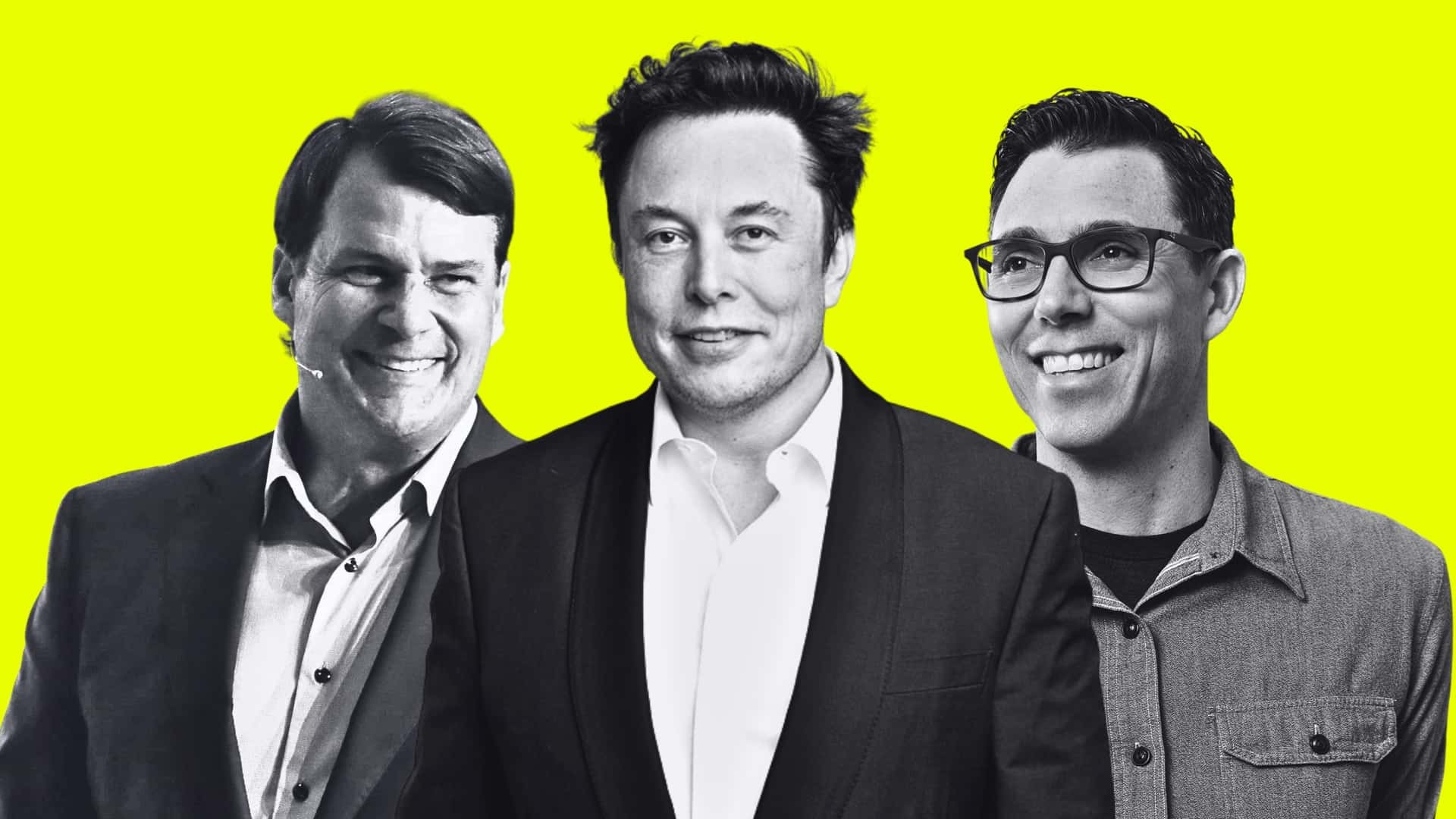
The automotive industry is currently navigating a period of intense transition, balancing the legacy of internal combustion engines with the high-stakes shift toward electric vehicles (EVs). Despite varying degrees of financial success and market volatility, the compensation for the leaders at the helm of these companies reached historic levels in 2025.
While some CEOs saw modest increases, others received payouts totaling billions, driven largely by stock-based incentives rather than traditional salaries.
The Outliers: Billion-Dollar Incentives and Stock Awards
The gap between traditional executive pay and modern “incentive-based” compensation is most visible at the top of the leaderboards.
Tesla: Elon Musk’s Massive Stake
Elon Musk remains in a league of his own. His estimated compensation for 2025 stands at a staggering $8.8 billion.
It is important to note that this is not a cash salary. Instead, it stems from a massive, shareholder-approved stock-based incentive plan. When averaged over a ten-year period, the value is roughly $8.8 billion annually, though the actual figure fluctuates based on Tesla’s stock performance. This massive payout comes during a challenging period for the brand, which saw an estimated 8.6% decline in global sales and a significant drop in profits.
Rivian: High Stakes for the EV Challenger
Following Musk is Rivian CEO RJ Scaringe, who earned approximately $402.6 million. Like Musk, his wealth is tied to the company’s equity:
– Stock options: $373 million
– Stock awards: $26.6 million
– Base salary: $1.1 million
– Bonus: $1 million
Rivian’s financial performance tells a more turbulent story, with sales dropping by an estimated 18.1% last year. The company is currently looking toward the launch of its R2 model to regain momentum and justify these high-level incentives.
The Established Giants: Steady Growth and Stable Pay
In contrast to the volatile, stock-heavy payouts of the EV startups, the CEOs of legacy automakers saw more conventional, albeit still substantial, compensation packages tied to steady revenue growth.
General Motors: Mary Barra
Mary Barra earned $29.9 million in 2025, a slight 1.3% increase from the previous year. Her package was a blend of salary ($2.1 million), stock awards ($21.6 million), and incentive pay ($5 million). Despite the industry’s broader struggles with the EV transition, GM showed resilience with a 6% increase in sales and revenues reaching $185 billion.
Ford: Jim Farley
Ford CEO Jim Farley saw a career-high compensation of $27.5 million, an 11% increase over 2024. His earnings reflected a strong year for the company, which reported a 6% rise in sales and revenue of $187.3 billion. His package included $18.8 million in stock and $5.7 million in incentive pay.
Leadership Transitions at Stellantis
The leadership at Stellantis is currently in flux. Antonio Filosa, who took the helm in June 2025, earned $6.3 million for his six months of service. This follows the departure of Carlos Tavares, who earned $14 million in his final months and had previously seen a massive $42 million payout in 2023. Stellantis faced a slight downturn in 2025, with sales dipping by 2%.
Summary of 2025 Auto CEO Earnings
| CEO | Company | Total Compensation (Est.) | Key Driver |
|---|---|---|---|
| Elon Musk | Tesla | $8.8 Billion | Stock-based incentives |
| RJ Scaringe | Rivian | $402.6 Million | Stock options/awards |
| Mary Barra | GM | $29.9 Million | Mixed (Stock & Incentives) |
| Jim Farley | Ford | $27.5 Million | Mixed (Stock & Incentives) |
| Antonio Filosa | Stellantis | $6.3 Million | Partial year salary |
The Bottom Line: The 2025 data highlights a widening divide in the auto industry: while legacy manufacturers focus on steady growth and moderate pay increases, EV pioneers are increasingly compensated through massive, high-risk stock incentives that tie executive wealth directly to market valuation.