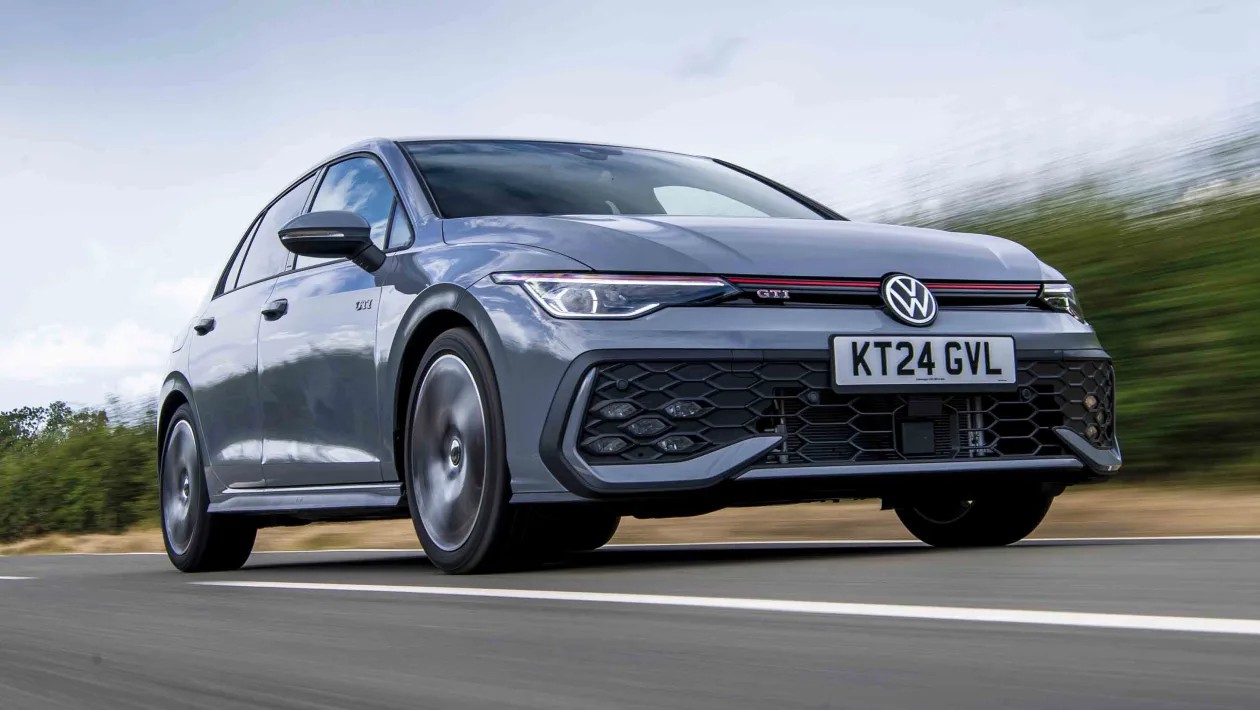
After a period of identity crisis, the Volkswagen Golf GTI has reclaimed its throne. Now celebrating its 50th anniversary, the latest Mk8.5 iteration proves that the “default” hot hatch is far from obsolete. While it may not be the most radical or the most visceral car in its segment, it excels at something few rivals can: providing a seamless blend of high-performance capability and everyday civility.
The Comeback Story
The transition from the highly acclaimed Mk7 to the Mk8 was rocky for Volkswagen. Early adopters faced ergonomic frustrations and software quirks that detracted from the driving experience. However, this latest mid-life refresh has addressed those “growing pains,” smoothing out the technological rough edges that previously hindered the model’s reputation.
The GTI remains a heavyweight in the market, backed by a legacy of 2.5 million units sold worldwide since 1976. It is no longer just a car; it is a benchmark for what a practical, quick, and classy hatchback should be.
Performance: Three Tiers of Thrill
The current lineup utilizes the reliable 2.0-litre ‘EA888’ turbocharged engine, but offers three distinct personalities depending on your budget and appetite for speed:
- The Standard GTI: The versatile daily driver. With a facelifted output of 261bhp, it delivers a 0-62mph sprint in 5.9 seconds. It is punchy yet refined enough for a commute.
- The GTI Clubsport: A more focused enthusiast’s choice. It bumps power to 296bhp and features larger brakes and unique styling, though it remains front-wheel drive.
- The GTI Edition 50: The crown jewel. Producing 321bhp, this limited edition is the fastest production VW to ever lap the Nürburgring. It is the definitive version for those seeking pure engagement.
Note on Transmission: Unlike rivals like the Toyota GR Yaris, the GTI has moved to an automatic-only setup via a dual-clutch DSG gearbox. While incredibly sharp and responsive, it lacks the tactile connection of a traditional six-speed manual.
Driving Dynamics: Sophistication Over Chaos
The Golf GTI’s greatest strength is its dual personality.
- On the B-Roads: The car is remarkably composed. The front axle provides immense grip, allowing drivers to lean into corners with confidence. While the suspension can feel firm on imperfect roads, the optional Adaptive Chassis Control (DCC) allows you to soften the ride for comfort or stiffen it for precision.
- On the Motorway: It is a class-leading cruiser. It remains quiet and stable at high speeds, making it much more suitable for long-distance travel than more “nervous” hot hatches like the Honda Civic Type R.
- In the City: It is easy to maneuver and park, though drivers should note that the DSG gearbox can occasionally feel slightly jerky in heavy, stop-start traffic.
Ownership and Running Costs
While “hot hatches” are rarely known for being cheap to run, the GTI manages to stay within a reasonable economic bracket.
- Efficiency: With a combined fuel economy of roughly 39.8mpg, it is surprisingly efficient for its power class.
- Insurance & Tax: Most models sit in a manageable insurance group (31). However, be aware of the “luxury car tax” surcharge : because the GTI exceeds certain CO2 thresholds, owners face an additional annual tax premium from the second to sixth year of registration.
- Depreciation: Expect to retain about 45% of its value after three years. While not as high as the all-wheel-drive Golf R, it remains competitive within the segment.
The Verdict: Is it right for you?
The Volkswagen Golf GTI is not trying to be a track monster or a budget commuter; it is trying to be everything at once. It is the car for the driver who wants to feel the thrill of a performance engine on a Sunday morning, but needs to drop the kids at school and navigate a grocery run on Monday.
Summary: The Golf GTI remains the gold standard for the all-rounder hot hatch, successfully bridging the gap between refined daily usability and genuine performance excitement.