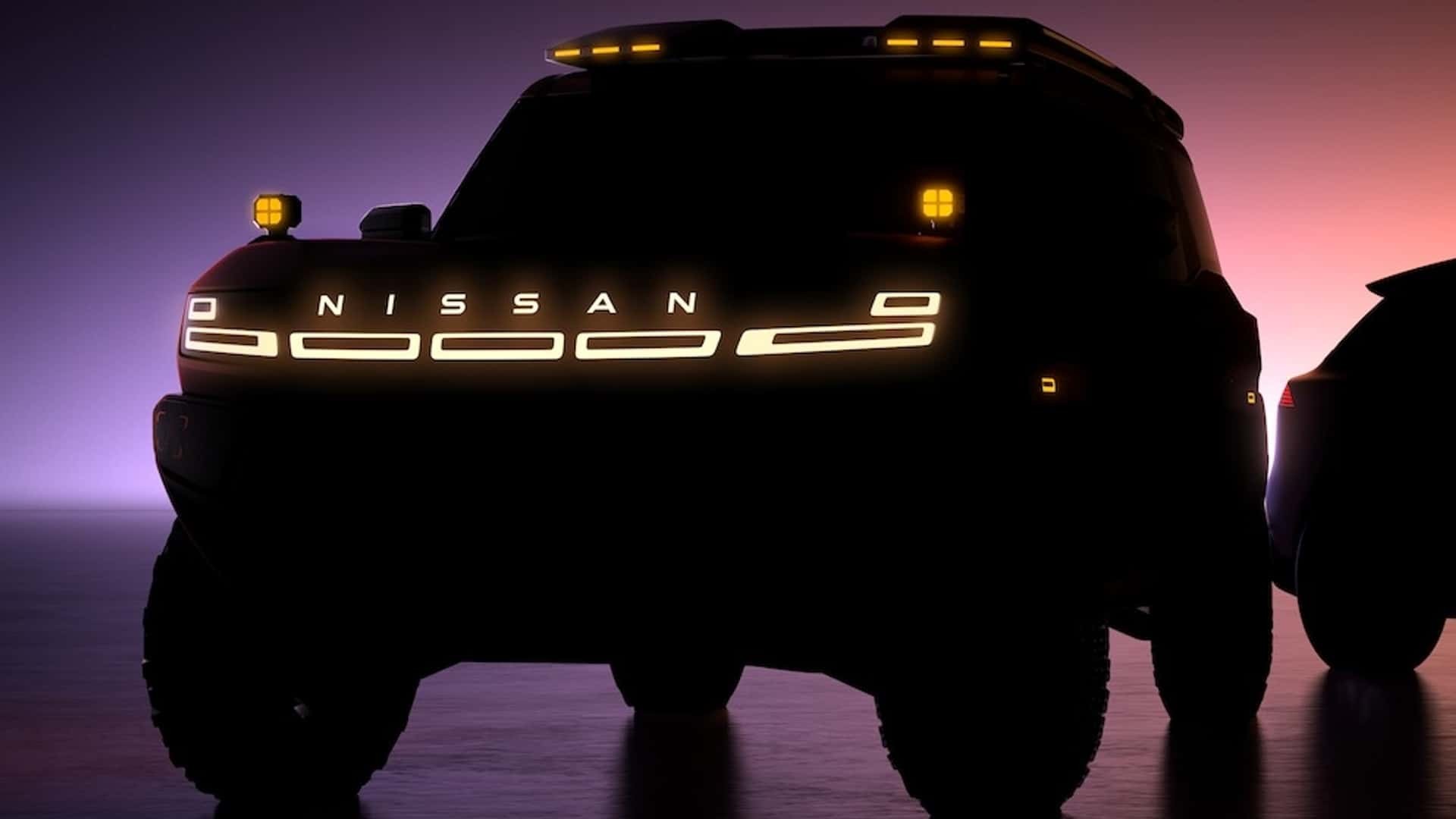
Nissan has entered a high-intensity preview phase ahead of the 2026 Beijing Auto Show, unveiling glimpses of two new concept vehicles. While one appears to be a sophisticated urban model, the spotlight is firmly on a new, boxy off-road concept that signals a strategic shift in how the automaker approaches rugged utility vehicles.
The Rugged Contender: A New Off-Road Vision
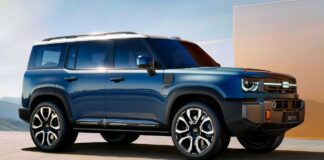
The most striking reveal is a concept designed for heavy-duty terrain. Though technical specifications remain under wraps, several design cues suggest a vehicle built for serious adventure:
- Enhanced Geometry: The front bumper features trimmed corners to improve the approach angle, a critical factor for navigating steep obstacles.
- Off-Road Hardware: The concept is equipped with a lifted suspension, beefy all-terrain tires, and integrated auxiliary lighting on both the hood and roof.
- Functional Details: The inclusion of fender-mounted marker lights and traditional side mirror caps suggests that Nissan may be designing this with a potential production version in mind.
While the powertrain is unconfirmed, industry trends suggest a move toward electrification. Given Nissan’s recent activity, the vehicle could feature a plug-in hybrid (PHEV) system or a fully electric (EV) drivetrain.
Strategic Context: The China Connection
To understand why Nissan is revealing these concepts now, it is essential to look at their broader market strategy. Nissan has identified China as one of its three most vital markets, alongside Japan and the United States.
The company is increasingly leveraging partnerships in China—such as the collaboration involving the Nissan Dongfeng Z9—to accelerate the development of New Energy Vehicles (NEVs). This approach allows Nissan to:
1. Reduce development costs in a highly competitive landscape.
2. Speed up time-to-market for electrified models.
3. Tailor products to specific regional demands while maintaining global export potential.
This is not merely a local play; models developed through these Chinese partnerships, such as the Frontier Pro and the N7 electric sedan, are slated for export to the Middle East, Latin America, and Southeast Asia.
The Urban Concept: Autonomous Ambitions
The second, more understated concept appears focused on paved roads and advanced technology. Its LED signature draws comparisons to the new Nissan Leaf, suggesting a focus on efficiency and modern aesthetics. Notably, a protrusion on the roof hints at the integration of LiDAR or advanced camera systems, pointing toward a future centered on autonomous driving capabilities.
Looking Ahead
The automotive world will wait until April 24 in Beijing to see these vehicles fully unveiled. A key question remains: if the off-road concept moves to production, will it revive a heritage name like the Xterra, or will it stand as a completely new identity?
Nissan’s strategy of utilizing Chinese partnerships to fast-track electrified, specialized models represents a pragmatic pivot to remain competitive in a rapidly evolving global market.
Conclusion
Nissan is signaling a dual-track future: leveraging Chinese engineering to expand its electrified lineup and testing the waters for a rugged, potentially production-ready off-roader. The upcoming Beijing Auto Show will determine if these concepts are mere design exercises or the blueprints for Nissan’s next global success.