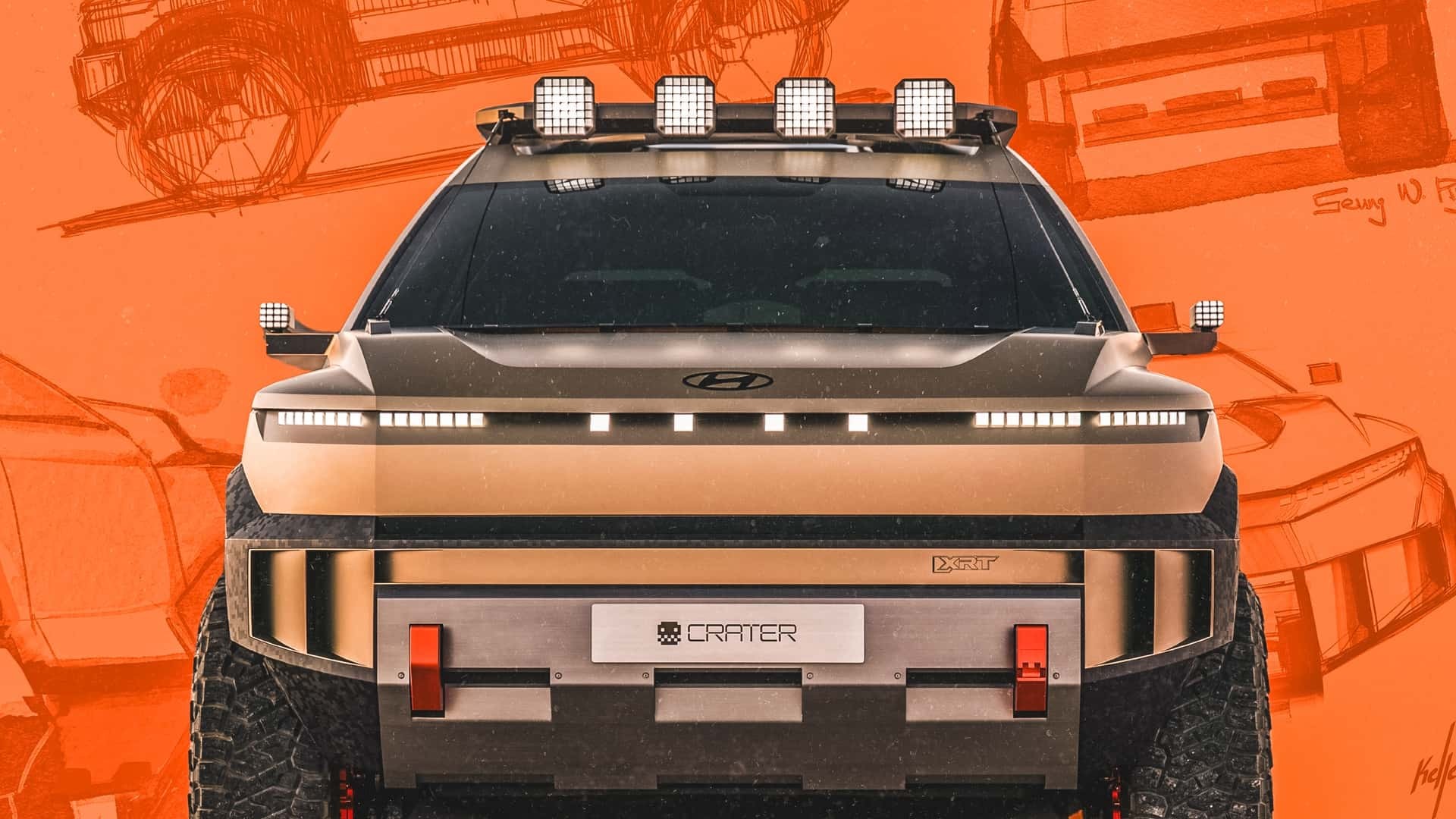
Hyundai is no longer just about affordable, dependable cars. Over the past two decades, the brand has quietly become a design leader, and the recent unveiling of the Ioniq 6 N and Crater concept at the 2025 LA Auto Show solidifies this shift. The company’s rapid improvement in aesthetics rivals its gains in mechanical quality, and its design team — bolstered by talent from luxury automakers like Bentley and Rolls-Royce — is now producing some of the most striking vehicles on the market.
The Rise of XRT and Dual-Layer Architecture
Hyundai’s design evolution isn’t just about refinement; it’s about expansion. The automaker has successfully instilled a consistent family aesthetic while simultaneously allowing room for creativity in its EV, N performance, and XRT off-road lines. The XRT range, in particular, is becoming a key area of innovation.
Head of Hyundai Style, Simon Loasby, emphasizes that XRT is about genuine capability, not just cosmetic upgrades. This means real-world features like increased ride height, all-terrain tires, four-wheel drive, and reinforced underbody protection. The feedback gathered from concepts like the Crater will directly influence future production models.
But the Crater is also a testing ground for more ambitious design choices. The “dual-layer architecture” — a streamlined, tech-focused interior that prioritizes safety and driver engagement — will make its way into upcoming Hyundai vehicles within the next 12 to 14 months. This isn’t just about looks; it’s about integrating functionality with a modern, intuitive user experience.
Motorsport Influence and Emotional Design
Hyundai’s approach to design is also fueled by its motorsport division. The engineers responsible for the N performance line are relentlessly focused on optimization, and their findings directly impact both aerodynamics, suspension tuning, and the overall aesthetic of high-performance models. This practical, data-driven approach translates into aggressive styling cues — like swan-neck rear wings — that communicate power and intent.
However, the ultimate goal isn’t just performance. Loasby highlights that Hyundai wants its vehicles to evoke positive emotions. The design language is deliberately optimistic, aiming to create cars that people genuinely enjoy looking at. The goal: a vehicle that even children recognize and admire.
Looking Ahead
Hyundai’s commitment to design is paying off. The brand is no longer just building mechanically sound cars; it’s creating vehicles that stand out from the crowd. The Ioniq 6 N already demonstrates this evolution, but the Crater concept suggests an even more compelling future for Hyundai’s lineup.
“It makes people smile,” says Loasby. “That’s what we want—an optimistic, positive message.”
Hyundai’s success isn’t just about aesthetics. The company has proven that investing in design talent and integrating it with engineering and motorsport insights can result in vehicles that are both visually striking and functionally superior. This is not just a trend; it’s a strategic shift that positions Hyundai as a major player in the automotive design landscape.