Renault isn’t just sitting on its laurels. The French automaker is actively digging up its own roots, proving that loyalty to heritage doesn’t mean ignoring the future. Enter “The Originals,” a dedicated initiative for vintage vehicles that blends old-school passion with modern innovation. It’s part of the broader “Renaulution” strategy, a push to keep the brand relevant by honoring its past while pushing toward a sustainable, electrified tomorrow.
We’re talking about reimagining icons. The R5 E-Tech? The R4 E-Tech? Yes. Plus, whispers of a new electric utility lineup. But here’s the real kicker for gearheads: they’re offering retrofit solutions. That means taking classic chassis and breathing new life into them with modern tech.
Building a Specialist Network for Vintage Renaults
Preserving automotive history requires more than just good intentions. It needs hands that know exactly what a 1970s carburetor or a period-correct ignition system actually needs. Renault has responded by launching the The Originals Renault Garage network.
This isn’t just a marketing sticker slapped on random shops. These are selected specialists. Currently, eight locations across France carry this label. The goal? Expand to 25 sites by the end of 2025. That expansion plan aims to cover 80% of the national territory, making expert care accessible to collectors and owners far beyond the major hubs.
For those of you holding onto a classic Renault, this means proximity matters. You get maintenance, repair, and restoration services tailored specifically to the quirks and specifications of vintage models. No generic fixes. No guesswork. Just precision care for machines that demand it.
“These garages offer owners of classic vehicles a local service for maintenance, repair, and restoration, guaranteeing handling that respects the specificities of each model.”
The move signals a shift. It’s not just about selling new cars. It’s about maintaining the ecosystem that surrounds them. Because a brand’s soul isn’t just in its current showroom—it’s in the stories of the cars that came before. And right now, Renault is making sure those stories don’t end in a scrapyard.
Digital archives and hands-on guides
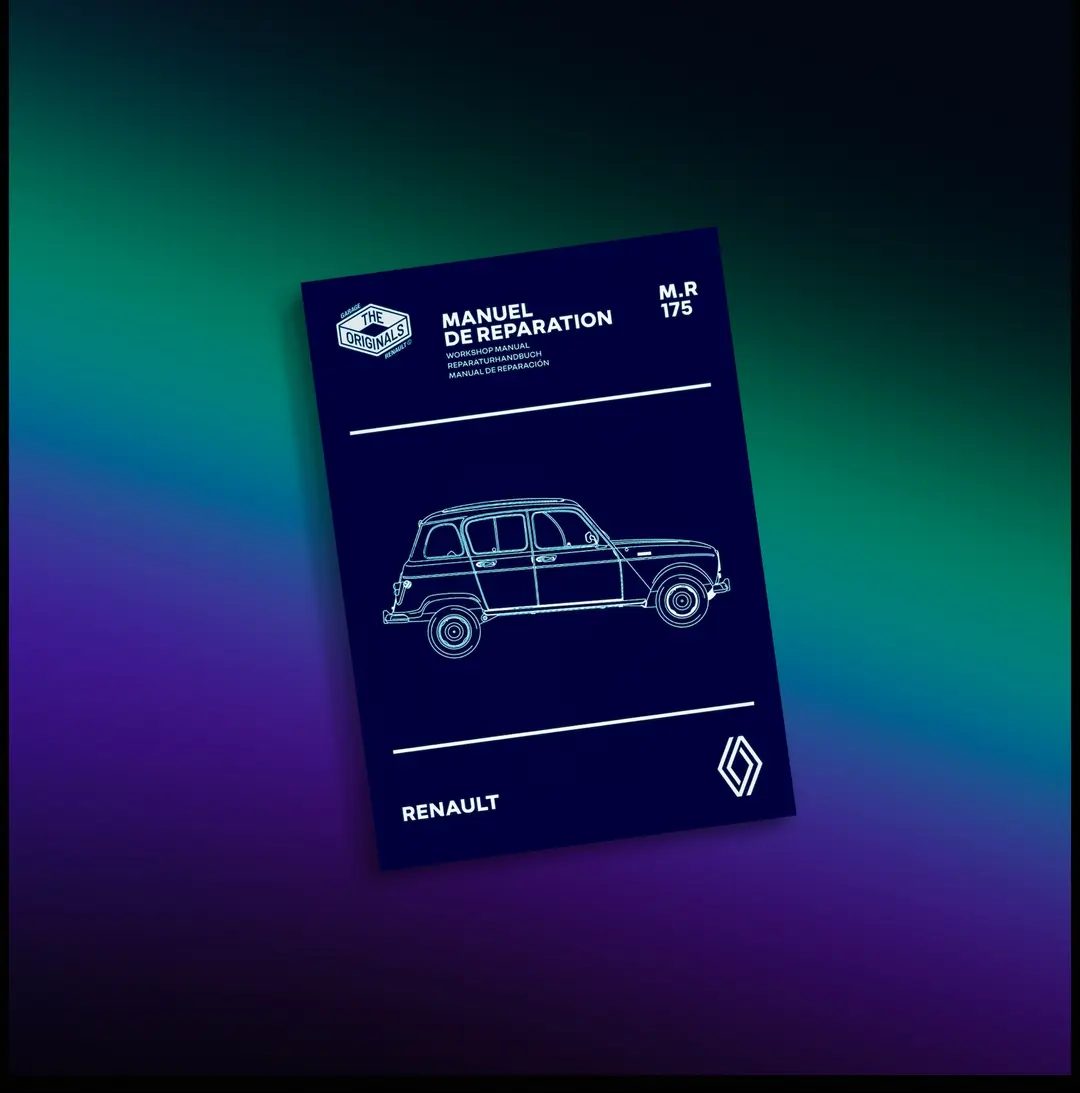
Physical parts are only half the equation. To support the mechanical work, Renault has rolled out a digital library that actually works. Enthusiasts can download 50 vintage repair manuals directly from the brand’s archives. No paywalls. No hidden fees. Just pure technical history.
The platform doesn’t stop at PDFs. It includes step-by-step tutorials designed to guide you through complex restoration tasks. Why keep these skills alive? Because knowing how to rebuild a carburetor or restore a wiring harness is disappearing. Renault is betting that accessible information equals longer vehicle lifespans. It’s about preserving know-how, not just metal.
Supporting longevity in an electric era
This initiative isn’t a distraction from electrification. It’s a parallel strategy. Renault is doubling down on sustainability by keeping old cars on the road. Rather than relying solely on new EVs to reduce waste, they are extending the life of iconic models.
This is circular economy in practice.
- Reducing scrap by keeping classic cars operational
- Leveraging historical engineering knowledge
- Offering a sustainable alternative to buying new
The logic is simple. A car that stays in use has a lower carbon footprint than a new one manufactured today. By supporting The Originals Renault Services, the company acknowledges that the transition to green energy doesn’t mean abandoning the past. It means maintaining it.
Some might call it nostalgic. The data suggests it’s practical.