Look at any parking lot and you’ll see them everywhere. Rear bumpers. Square tubes. Towing hitches. They are the standard for hauling trailers, usually fitted with a ball hitch to keep a camper or cargo carrier from rolling away. But that empty square opening? Manufacturers figured out it could do more than just pull weight.
Now you can bolt bikes to the rear. Electric winches. Steps. Gas grills. It’s a modular ecosystem for the rear bumper.
But here is the problem. You want to tow your heavy trailer. You also want to bring your mountain bikes. The rear is occupied. You’re stuck.
Enter the front-mount receiver.
It’s not a new concept, but it’s underutilized. The idea is simple engineering logic: if the back works, put one on the front. These kits mount below the front bumper, just like their rear counterparts. They accept the same standard hitch accessories. The primary difference is application.
Most people buy these kits for accessories. A winch for recovery. A bike rack for the front end (yes, some exist). But there is a more practical use case that changes how you handle large rigs.
You can attach a ball hitch to the front.
Obviously, you cannot push a trailer down the highway like this. Physics doesn’t work that way. But you can pull it.
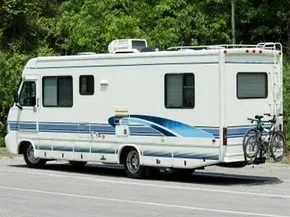
Think about pulling a heavy boat into a tight slip. Or maneuvering a massive travel trailer into a cramped garage space. Standard reversing is a nightmare. Blind spots kill confidence.
With a front-mount receiver, you get a different vantage point.
“With a little practice, very calculated movements of the steering wheel and the added benefit of being able to see the trailer directly in front of you, you should be able to accurately position your trailer within your campsite, driveway or garage.”
You are facing the trailer. You can see the coupler. You can see the ground. The margin for error shrinks dramatically. It turns a blind, guessing game into a visible, controlled operation.
Cost and Installation Reality
These kits are not exotic. They are not limited-edition aftermarket fluff. A typical front-mount hitch kit runs between $100 and $250. It depends on the frame geometry and the receiver size (Class I through V).
The price point is low. The utility is high.
The only variable is installation. Can you drop it in yourself? Or do you need a lift and a torque wrench?
That answer depends on your vehicle’s frame and your garage setup. We’ll break down the installation process and the specific tools you’ll need next.

The DIY Reality of Front-Mount Hitch Installation
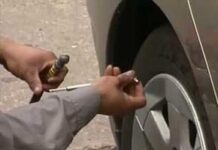
You don’t need a degree in engineering to bolt on a front-mount receiver. If you grabbed the right kit for your specific chassis and have a socket set within reach, the process is straightforward. Most manufacturers design these brackets to bolt directly into pre-existing holes behind your bumper. No welding. No torch work. Just metal on metal.
The instructions that come in the box are your bible. They list the exact torque specs and alignment points. You get a hardware bag with bolts, washers, and usually a template for drilling if your vehicle is quirky. But here is the catch: not every vehicle is created equal. Some kits demand you modify the factory skid plate.
That composite underbody armor? It’s tough. But manageable. A heavy-duty utility knife or a hacksaw will slice through it if the kit requires a notch for clearance. Be precise. Cut only what is necessary to avoid structural weakness or rattling later. Patience here saves headaches later.
Why Bother Doing It Yourself?
The sheer simplicity of the task drives many enthusiasts to skip the shop. It’s just bolting a steel tube to a frame rail. If you can change your oil, you can likely install this hitch.
That said, if your hands shake or you hate the idea of stripping a bolt, pay a pro. It’s not rocket science. A certified mechanic who installs rear hitches daily will treat a front-mount receiver with the same ease. They’ve done it a thousand times. The job takes little time unless there are rusted bolts or misaligned holes throwing a wrench in the works.
The result? Towing equipment ready for action. Whether you’re pulling a small trailer or mounting a winch for recovery, the hardware is secure. The difference between a rear hitch and a front-mount is minimal in execution. It’s all about access and leverage.
“If they’re accustomed to installing towing hitches on the rear end of a vehicle, installing a front-mount receiver is really no different.”
Beyond the Bolts
Once the hardware is tight, you’re in business. But the hitch is just the interface. The real work happens in how you use it.
If you’re looking to expand your towing knowledge beyond the installation, there’s a lot more to unpack. Green towing practices are gaining traction, but is there truly a carbon-neutral way to pull weight? Or is it just marketing? Then there’s the mechanical side. Transmission coolers are often an afterthought until something overheats. Understanding how they work prevents catastrophic failure under load.
Safety isn’t just about the hitch. It’s about mirrors. It’s about braking distance. It’s about turning半径 without clipping the trailer’s corner.
For those who want to test their knowledge, quizzes on hitch components and types are available. They break down the difference between a Class I and a Class V receiver, or why a weight-distributing system matters for long loads.
Where do you go for the hardware? Sites like Hitches For Less and JC Whitney offer vast inventories. They stock everything from basic receivers to heavy-duty winch mounts. Extreme How To provides the gritty, practical guides for those who like to get their hands dirty.
The links point deeper into the rabbit hole. Braking while towing requires a different foot than everyday driving. Passing requires more space and foresight. These aren’t just tips. They’re survival skills for the road.
You install the hitch. Then you learn to live with it. The installation is the easy part. The rest is practice.