It started in the 1990s. This is a boxy, quirky little city car that looks unlike any other car on the road. After 30 years, the Renault Twingo has reached an important milestone. But this anniversary comes with a twist. The third generation of gas-guzzling and electric cars you can buy today is on the brink of extinction. it’s over.
The next chapter will arrive in 2026. It is already controversial.
Third generation withdrawal
The current Twingo is the workhorse of urban driving in Europe. It is compact. This is very practical. It is also outdated. Renault is clearing the decks. The third generation ICE (internal combustion engine) and BEV (battery electric vehicle) versions are being phased out. You won’t be buying new ones much longer.
Why the rush? The market is changing. Regulations are being tightened. Consumer preferences are constantly changing. Twingo has to adapt. It didn’t just change. It disappears.
What’s next for Twingo?
The replacement isn’t just a facelift. This is a radical rethink. The new Twingo is expected to become more electric by 2026 and is expected to be smaller. The lines are sharper. A more radical attitude. Rumors suggest it may share its platform architecture with other light electric cars within the Renault-Nissan alliance.
But the real question is, can we recreate the original magic?
The first-gen Twingo was a cult classic. Think sharp corners, round headlights and a no-nonsense design that looks like it was made for a cartoon. Not beautiful in the traditional sense. It was different. people loved it.
Will the 2026 model be different? Or is it just a general purpose electric car?
Why Twingo is important
Twingo is more than just a car. This is a statement. In the 1990s, it challenged the norm. it offered efficiency. it offered accessibility to electric mobility in the 2010s and 2020s. Now it’s disappearing.
Its disappearance marks the end of the era of small, affordable electric vehicles for city cars. Competitors such as the Fiat 500e and the next electric Mini are gaining momentum. But Twingo has its own identity. One that’s now history.
Legacy of a Quirky Icon
I want to be clear. Twingo was never about performance. It was about personality. It was about fitting into a tight parking spot in Paris or Berlin. It was about being seen while driving a car that doesn’t try too hard.
That is what is now lost. Not just the car. The attitude.
But that might not matter. Maybe Twingo’s time was always temporary. Perhaps its legacy will be enough to inspire the next one.
What do you think? Will the 2026 Twingo live up to the hype? Or is this another step towards homogenization in the world of electric cars?
The answer will become clear in a few years. Until then
Renault has officially priced its all-electric Twingo successor, and the numbers are very competitive. The new model will be launched with a starting price of less than 20,000 euros. Even more attractive are the lease option for less than 100 euros per month. This pricing strategy is aimed at the mass market and aims to make urban electric transport affordable rather than a niche market.
The focus of the technology is on this efficiency. Renault claims that thanks to its compact footprint and highly aerodynamic body, energy consumption is extremely low at just 10 kWh/100 km. That’s an impressive number for a city car, and it has the potential to increase range in stop-and-go traffic, where EVs typically excel. Full technical details are still being kept under wraps, but the design concept has already received praise.
Design that honors the iconic lineage
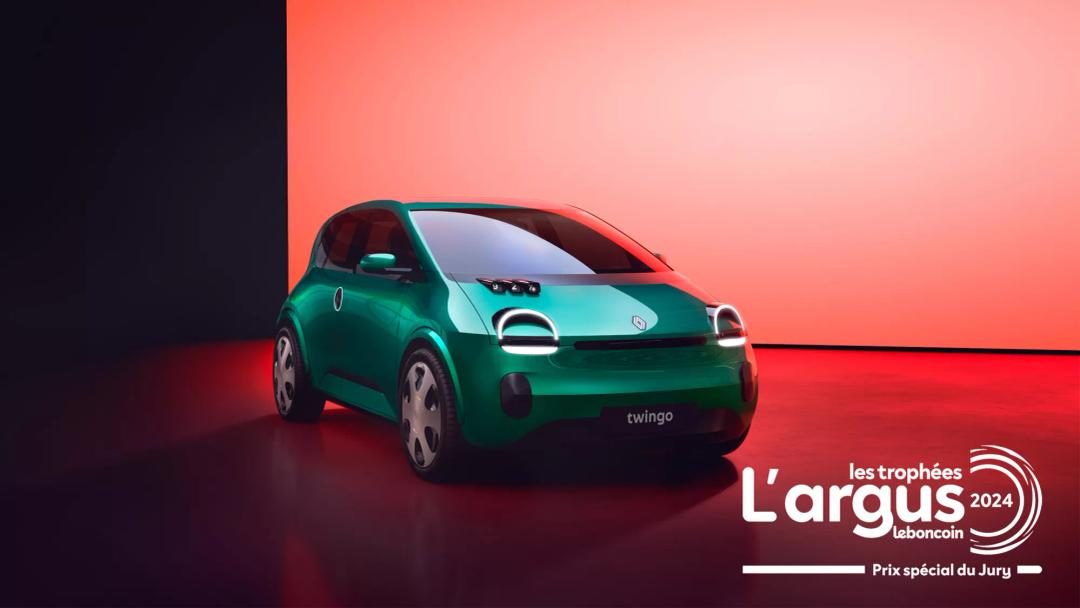
The aesthetic direction of the new Twingo is a deliberate tribute to tradition, taking cues from its two predecessors. It falls squarely into the growing “neo-retro” segment that Renault is cultivating and joins the new Renault 5 E-Tech. The silhouette pays homage to the Twingo 2, but the front tells a deeper story.
The round headlights and the exact location of the grille on the right side of the bonnet are a direct reference to the original 1994 Twingo. This isn’t just nostalgia for nostalgia’s sake. It’s a thoughtful design move aimed at injecting familiarity and charm into a segment dominated by sterile, generic EVs.
This method has been validated by industry colleagues. This prototype won a special jury award at the Trophées de L’Argus 2024. The award was given to Gilles Vidal, Renault’s head of design, who emphasized that the vehicle is designed to meet the demands of urban driving. This confirms that the retro style is not only decorative, but also functional in an urban environment.
Why retro charm is important now
The question is not whether the new Twingo will sell, but rather why Renault emphasizes the retro aesthetic of its electric powertrain so much. In a market flooded with practical crossover products, uniqueness is sought. By tying the new electric car to the iconic 1994 model, Renault is taps into a legacy of practicality and fun.
This strategy allows the Twingo to compete with other small electric hatchbacks, but visually there are noticeable differences. An affordable price and a unique style combine into a package that appeals to city dwellers who value running costs and individuality. Its price below 20,000 euros removes the main barrier to entry for electric vehicles and makes it a strong contender in the affordable electric car segment.