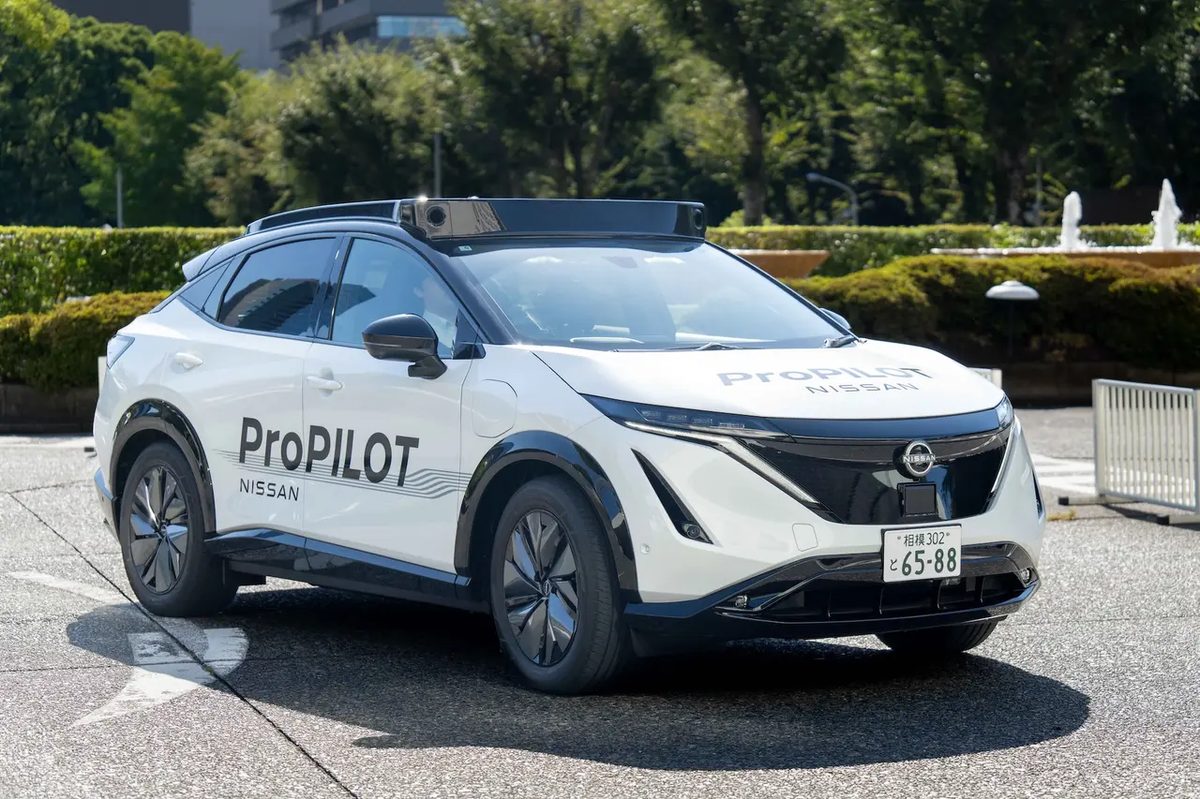
Nissan is betting big on artificial intelligence. Their next-generation ProPilot 2027 system, slated for a 2027 launch, isn’t just an incremental update. It’s a fundamental shift. The Japanese automaker is positioning AI as the core pillar for both safety and partial driving automation.
The magic here lies in how the system learns. Unlike older models that rely heavily on pre-programmed logic, ProPilot 2027 uses an AI engine trained to anticipate driver and pedestrian behavior. It doesn’t just react; it predicts.
Training the System on Real-World Chaos
Nissan claims the backbone of this new technology is a massive dataset. They didn’t just simulate traffic in a lab. They fed the AI millions of kilometers of real-world driving data collected globally. This includes the messy, unpredictable scenarios that algorithms usually struggle with:
- Urban gridlock
- Multi-lane highways
- Complex intersections
- Narrow secondary roads
By exposing the system to these varied environments, Nissan aims to create a driving assistant that feels less like a rigid computer and more like a seasoned co-pilot. The goal is smoother, more human-like decision-making when the system takes over partial control.
“The next generation of ProPilot relies on an AI capable of anticipating road behaviors through massive real-world training.”
This approach addresses a common pain point in current autonomous tech: the “uncanny valley” of driving. When a car hesitates or over-corrects on a curve, it breaks trust. Nissan believes that by learning from millions of real miles, their AI will navigate these edge cases with greater fluidity and confidence.

Beyond the Lane Keeper: Nissan’s Human-Centric Autonomy Strategy
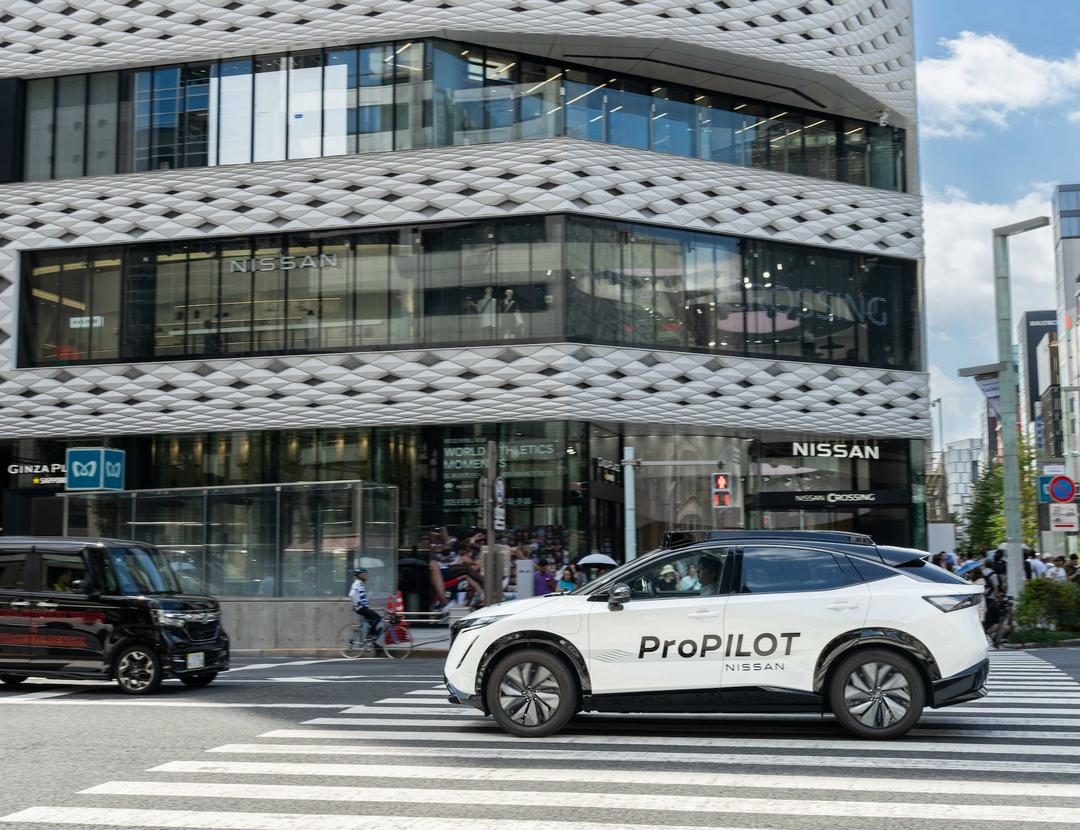
Most autonomous systems today treat driving like a geometry problem. Keep the car centered. Hit the target speed. Stop at the line. Nissan is trying to solve for a variable that spreadsheets usually ignore: human unpredictability. The goal isn’t just to move the vehicle from A to B. It’s to make that movement feel less like a machine and more like a cautious, experienced driver sharing the road.
The company is pushing its AI to handle the messy middle ground of traffic. This means executing overtakes that don’t spook oncoming drivers. It means merging into dense city streams without jerking forward or holding back unnecessarily. It requires the system to react to inattentive motorists who drift into blind spots or brake-check aggressively. And perhaps most critically, it involves reading the “body language” of other cars. That subtle lean of a vehicle preparing to cut across lanes. The slight deceleration of the car ahead indicating hesitation.
Nissan wants to prove that vehicle automation can evolve beyond simple trajectory maintenance. The new approach requires analysis, interpretation, and anticipation.
This stands in stark contrast to the current headwinds facing Tesla. While Elon Musk’s company pushes for full autonomy with its Robotaxi fleet, recent test runs in the United States have been marred by incidents and controversy. The strategy is binary: either the car drives itself completely, or the human takes over instantly. There is little room for nuance. Nissan is taking the long view. It prioritizes safety and behavioral realism over the hype of total self-driving. The result is a system that learns to behave.
The Middle Ground in the Robotaxi War
We have watched the global robotaxi race intensify over recent months. Uber is testing its fleet in Germany. Stellantis and Volkswagen are coordinating their efforts. Tesla continues to tout its ambitious, all-or-nothing roadmap. The competition is fierce. The stakes are high. The technology is still finding its footing.
Nissan has chosen a different path. It isn’t chasing the unicorn of a fully autonomous taxi service right now. Instead, it is focusing on assisted automation that feels intuitive. This isn’t about replacing the driver with a computer. It’s about giving the driver a co-pilot who understands context. Who knows when to be assertive. Who knows when to yield.
This distinction matters. Full autonomy requires solving a problem that isn’t fully solved yet: predicting the illogical. Nissan’s method suggests that better, safer driving assistance can be achieved by teaching AI to mimic human judgment rather than rigid algorithms. It’s a slower climb. But the view from the top might be more stable.
The question remains whether consumers will trust a car that hesitates. Or if they will always demand the thrill of the machine taking full control, regardless of the risk. Nissan bets on the former.
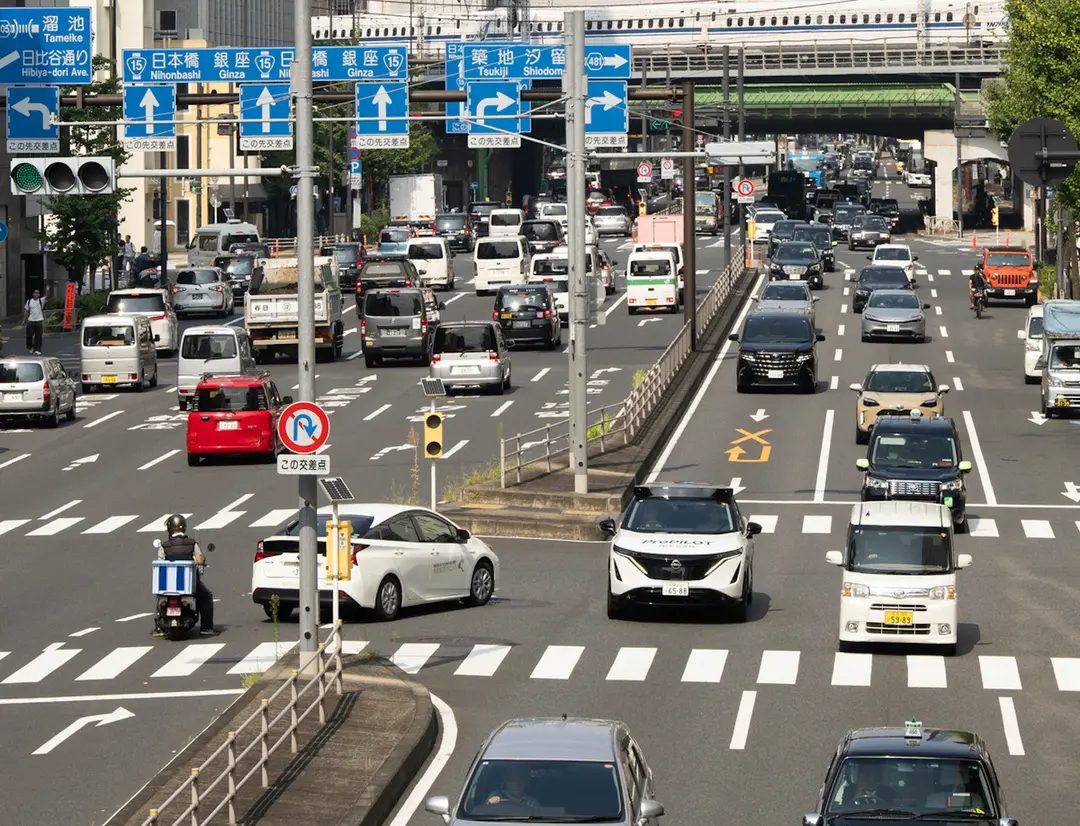

Nissan’s Pragmatic Approach: Cooperative Driving Over Full Autonomy
While the industry chases the holy grail of Level 5 self-driving cars, Nissan is taking a different route. They see the future not as the driver stepping out of the loop, but as a partnership between human and machine. This philosophy of cooperative driving might actually make more sense in markets where full autonomy meets skepticism.
The new ProPilot generation doesn’t promise a car that drives itself entirely. Instead, it focuses on three things: better safety, predictable behavior, and less stress behind the wheel. It’s a grounded view. Maybe even a realistic one.
How ProPilot Reduces Driver Fatigue
The core idea here is assistance, not replacement. Nissan’s latest system aims to handle the tedious parts of highway driving. That means maintaining lane position and keeping a safe distance from the car ahead. You still need to be ready to take over. Always.
But the goal is to make that takeover smoother. The system is designed to anticipate situations. It reacts to traffic flow. It adjusts speed without jerky braking. This predictability helps drivers trust the tech. Trust is key when you’re sharing the road with a computer.
Why This Matters for Skeptical Markets
Full autonomy faces a trust deficit. People worry about edge cases. They worry about liability. They worry about losing control. By positioning ProPilot as a co-pilot, Nissan sidesteps some of these fears.
It’s easier to sell a system that helps you drive than one that promises to drive for you. This pragmatic approach could resonate in regions where regulatory hurdles or public opinion slow down autonomous adoption.
The Stress Factor
Highway driving is mentally taxing. Constant micro-adjustments. Scanning mirrors. Monitoring radar. ProPilot takes the edge off that. It’s not about letting go. It’s about sharing the load.
The result is a less fatiguing commute. Fewer mistakes due to inattention. A clearer mind when you finally need to exit the highway or navigate a complex interchange.
Realistic Automation in the Near Term
We’re not at the point where you can nap in the back seat. Not yet. But we’re close enough to benefit from advanced driver assistance. Nissan’s stance acknowledges that reality. It offers tangible improvements now, without waiting for perfection.
This isn’t about being left behind. It’s about being practical. The technology exists. The infrastructure is ready. The missing piece is often public acceptance. ProPilot might just bridge that gap.
Looking Ahead
The road to full autonomy is long. It’s paved with technical challenges and regulatory red tape. Nissan’s approach suggests that the journey there is valuable in itself.
Cooperative driving offers immediate benefits. It saves lives. It reduces congestion. It makes daily commutes less miserable. Why wait for a utopian future when you can have a better present?
The question isn’t whether cars will eventually drive themselves. It’s how we get there. And maybe the answer is less about delegation and more about collaboration.