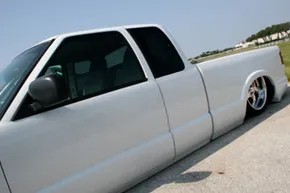
When people see a vehicle hug the asphalt, they have a visceral, almost primitive reaction. This reflects the way a predator stalks its prey in a low, crouched position. It mirrors the way a jet melts into fog after landing on a runway. Lowriders simply hit the oil pressure switch to catch air and stabilize the chassis until it’s just a hair’s breadth above the road.
Going low is not just a subculture. This is a cross-cultural phenomenon. But with so many ways to drop a car, which one is the most effective? More importantly, which one will keeps you on the road?
The Myth of the Cut Spring
Until the advent of modern technology, car owners had only one real option. That is, cutting the suspension coil. Cut the roofline, drop the fenders and add a skirt to mimic the look. Of course, it also affects the aesthetics. It didn’t fix the ride quality.
Moving the car to a lower position can improve handling, speed and control. But only if it’s done right. Driving a properly lowered car will tell you all about it. The difference is night and day. However, lowering the car for aesthetic reasons often creates drag. It adds workload. The ride gets rough. Some owners just don’t care. They value appearance over comfort. But if you’re looking for performance, looks aren’t enough.
Do it yourself or hire a professional?
Think about how cars are made. It has been designed by the manufacturer with safety in mind. A fault is more than just a fault. it’s a recall, an accident, bankruptcy. Most of the cars are well designed. Those that aren’t live in infamy for decades.
Taking a torch to a suspension component is dangerous. Not because it’s hard, but because it’s easy to make mistakes.
**kit. ** Kits are available for almost all makes and models. Comes in a box with everything you need. You can replace the spring with a lowering spring or use a lowering blocks. Reputable manufacturers account for the car’s specific specs. For some, that’s enough. For others, it’s not low enough.
Custom. The suspension prevents your car from breaking and bending the spine. Lowering the entire vehicle preserves the factory suspension. Improves performance. However, lowering the suspension itself costs money. Body kits improve appearance. But what really happens behind the scenes? The suspense is in the suspension. Its appearance and ability to improve driving comfort are very attractive.
Shortcuts. Cutting springs is a common shortcut. An experienced mechanic or racers can do it. But for starters, it’s a gamble. Changing the coil affects the power of the spring (weight and toughness calculation). Heat shearing weakens the metal. It will be uneven. Small spring damage can cause significant wear, damage and safety risks.
Shortcuts are perfect for cosmetics. Sound. Touch. Look. Those can round out a project. But not the suspension.
Adjustments and additions
If it can be calculated successfully, it should be a one step change. However, the lower height usually throws off the camber. This means that the tires are distributed evenly on the road. It can throw off spring tension. Every bump and uphill scrape feels out of whack.
As with woodworking, measure twice and cut once. Lowering requires forethought. Solutions that work at first can fail due to travel time and wear and tear. Factory calculations are accurate. Aftermarket upgrades ended up being downgraded without a plan.
Visualize what you want. Describe how you want the ride to feel. Some cars drive directly into the garage. Some people start with computers. Find your brand and model. Find what you want to achieve. You will find countless possibilities. More advice than I needed.
Not ready to return your car? Lowrider bikes have their own field. Lowrider Magazine has a website for cycling enthusiasts. You will also find information on building Lowrider model cars. They have followers. They have their place in car culture.
Questions remain. Do you slow down for looks, ride or just to see if the springs will hold?