Nissan is undertaking a significant restructuring of its European operations, driven by a urgent need to improve financial stability and reduce excess manufacturing capacity. According to reports from the Financial Times, the Japanese automaker plans to cut approximately 10% of its European workforce, a move that could result in roughly 900 job losses.
This reduction is not limited to factory floors; it encompasses a broad strategic overhaul affecting logistics, administration, and production efficiency across the continent.
A Multi-Front Restructuring
The cuts are being implemented across several key areas to streamline operations:
- Logistics and Distribution: A parts warehouse in Barcelona is set to be downsized, while Nissan is simultaneously restructuring its distribution networks in Nordic markets.
- Administrative Roles: White-collar positions in the United Kingdom are expected to be significantly reduced.
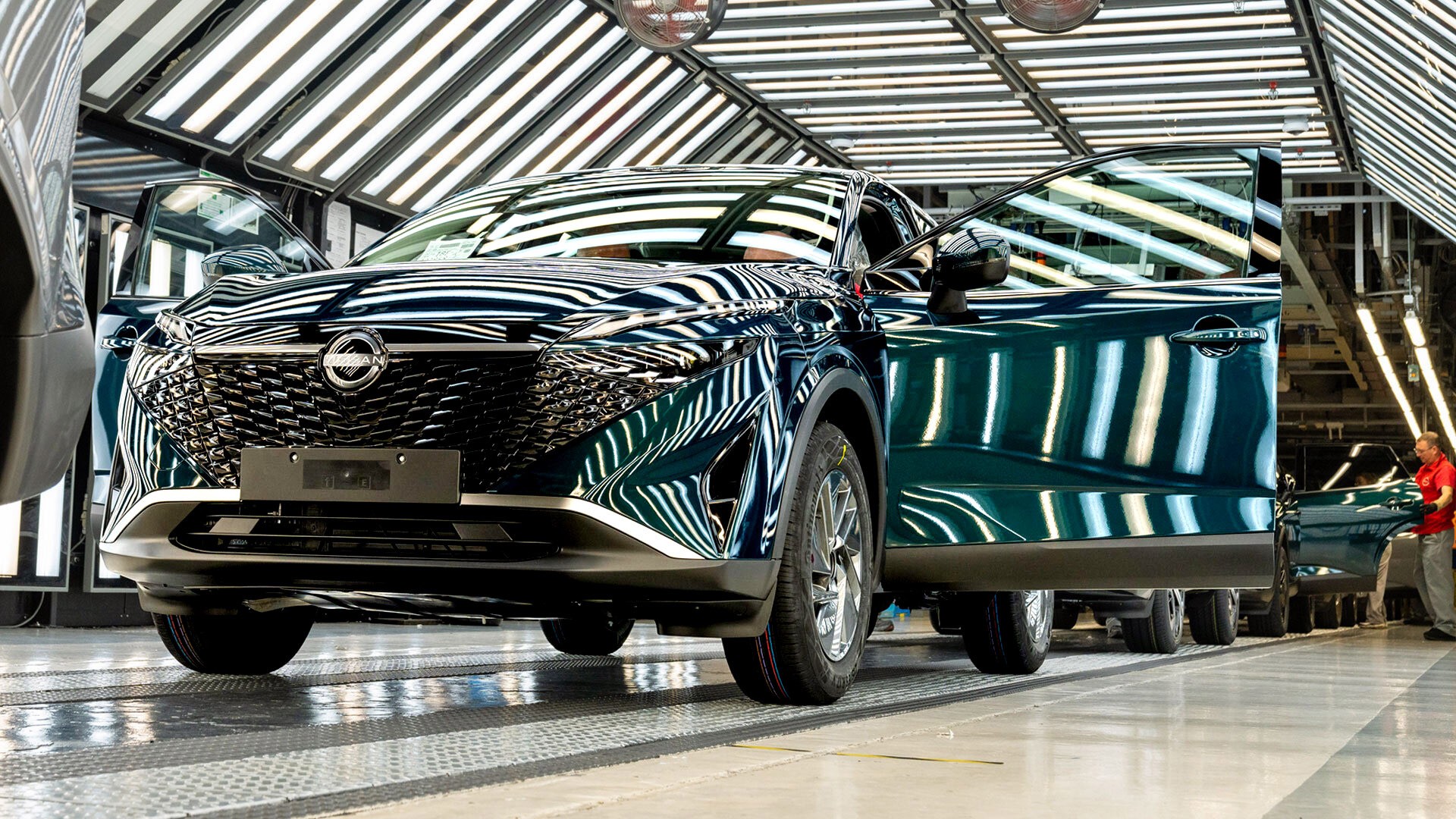
- Manufacturing Efficiency: The company’s major Sunderland plant in the UK will be scaled back to a single production line. This decision aligns with current operational realities, as the facility has been running at only 50% capacity. Maintaining two lines under such conditions was economically inefficient.
The “Chinese Roommate” Scenario
The most intriguing development in this restructuring is the potential future of the idle second production line at Sunderland. With one line shuttered, Nissan is actively exploring opportunities to lease or partner with third parties to maximize plant utilization.
Reports indicate that Nissan has been in discussions with Chinese automakers, including Chery, regarding the use of this capacity. While Nissan has not confirmed specific partners, the company stated it is investigating options that would allow external manufacturers to operate within the facility. This strategy transforms a dormant asset into a potential revenue stream, effectively turning the plant into a shared manufacturing hub.
“These efforts are essential to protect Nissan’s future in Europe, safeguard jobs in the long term, and ensure we can profitably compete in Europe,” Nissan stated regarding the restructuring.
Why This Matters: The Competitive Pressure
This move is not just about cost-cutting; it is a direct response to intensifying competition in the European market. The data reveals a stark shift in consumer preferences and market share:
- In the first four months of the year, Nissan sold only 28,389 vehicles in the UK.
- This represents a 13.3% decline compared to the same period last year.
- Nissan is now barely outperforming Chinese rivals like BYD (26,396 units) and Jaecoo (22,789 units).
The proximity of these sales figures highlights a critical trend: Chinese automakers are rapidly gaining ground in Europe, challenging established Japanese and European brands. By potentially allowing a Chinese manufacturer to use its Sunderland plant, Nissan is adapting to a new reality where traditional boundaries between competitors are blurring.
Conclusion
Nissan’s European restructuring is a defensive maneuver designed to survive a shrinking market share and rising competition. While the immediate impact involves significant job losses, the long-term strategy hinges on asset optimization —specifically, whether the company can successfully transform its underutilized Sunderland plant into a collaborative hub. This approach may not only stabilize Nissan’s finances but also signal a broader industry shift toward shared manufacturing resources in the face of aggressive Chinese expansion.