It’s a gamble. A good one, sure, but a gamble nonetheless. Buying a used German car used to mean praying the bill wouldn’t triple your initial payment. That era is over, or at least fading. BMW is currently the most reliable of the big German three. Mercedes sits lower. Volkswagen is further down. Audi trails them all.
Data doesn’t lie. Consumer Reports crunched the numbers for cars between five and ten years old. BMW ranked 7th across the entire market. Lexus takes 1st. Acura 4th. But in the German luxury bracket? BMW wins.
We looked at the data. We picked the winners. Ten models that actually work. Most scored at least 4/5 for reliability. Two hit 5/5. Perfect. For context, a recent list of used Mercedes had zero perfect scores. Not one.
Here is who won. And which years matter.
The Reliable Legends (2016 Era)
2016 BMW 3 Series (F30)
Average Used Price: $10,650 – $20,400
This is the bread and butter. The sedan that defined a decade. Specifically, look for the 2016 model year. Why? It’s the LCI facelift year. It got the new engines. The B-Series turbochargers replaced the older units. They are robust.
The 330i has a 2.0-liter four. The 340i rocks a 3.0-liter inline-six (B58). That B58 engine? Legend. One of the best engines BMW ever made. Powerful. Durable.
Pros
* B-Series engines are bulletproof
* Still feels sporty
* Good performance for the money
Cons
* Less fun than the older E90 model
* Gained weight
* Looks plain without the M-Sport package
2016 BMW X3 (F25)
Average Used Price: $10,750 – $13,500
Second gen. F25. Produced 2011-2017. 2015 was the refresh, but 2016 posted the best reliability stats.
It uses the N-Series engines. The N20 (four-cylinder) or the N55 (six-cylinder). The N55 is worth the slight fuel penalty. You lose about 3 MPG, but the torque curve is phenomenal. It pulls hard from idle. The eight-speed ZF automatic transmission is quick, too.
Pros
* ZF gearbox is excellent
* Fun to drive
* Solid handling
Cons
* No standard backup camera (weird)
* Needs diligent maintenance
* Repairs cost more than you want to hear
2016 BMW 2 Series (F22)
Average Used Price: $11,300 – $15,068
The F22. The last pure compact coupe from Bavaria. Available 2014-2021. Again, 2016 is key. That’s when the reliable B-Series engines arrived. The early years? Riskier. 2016 onward? Safe.
It feels old-school. Raw. The interior is simple, which helps longevity. There is a Gran Coupe version with four doors. Avoid it. This is a two-door joyride.
Pros
* “Old school” sports coupe feel
* Fun prioritized
* Simple interior
Cons
* Rear seats add dead weight
* Gran Coupe variant feels wrong
* iDrive can be polarizing
The Modern Refreshes (2021 Era)
Prices jump here. These cars are newer. But so are the problems you avoid.
2021 BMW X3 (G01)
Average Used Price: $20,400 – $35,577
Third generation. The G01. Produced 2018-2024. 2021 brought the refresh. It shed over 100 lbs. Quality improved. The M40i got a power bump to 382 hp. 0-60 in 4.9 seconds. For a compact SUV? That is fast.
Pros
* Lighter than the previous gen
* M40i balances luxury and sport
* Fit and finish is top-tier
Cons
* Apple CarPlay is only standard now (late arrival)
* 30i model lacks excitement
* You need to spring for the M40i to really feel alive
2021 BMW 5 Series (G30)
Average Used Price: $23,800 – $40,000
The executive sedan. G30 generation (2017-2023). Refreshed for 2021 with a new look and updated infotainment. It has everything. Even the V-8 in the 550i and M550i.
But wait. Reliability is the goal here? Skip the V-8. It’s complex. Stick to the 540i (inline-six) or even the 530i (four). Skip the xDrive if you live in a warm climate. Two-wheel drive has fewer things to break. Your wallet will thank you later.
Pros
* Diverse engine options
* Lighter build (lost 220 lbs vs predecessor)
* 2021+ has much better infotainment
Cons
* Android Auto only became standard in 2021
* 530e hybrid feels underpowered
* Hard to distinguish from the 3 Series now
2022 BMW X3 (G02/G01)
Average Used Price: $25,100 – $37,459
Same body style. Next model year. Big difference in data. The 2022 G01 earned a perfect 5/5 reliability score. Rare. Usually, you see this maybe once per generation.
Why 2022? The M40i added a 48-volt mild-hybrid system. The plug-in 30e died out. Less complexity, better performance. The M40i remains the king of the hill here. It justifies the “Sport” in Sport Utility Vehicle.
Pros
* Perfect reliability score (5/5)
* High-quality interior
* Sharp handling for its size
Cons
* Adaptive suspension costs extra (and a lot)
* The curved display isn’t standard yet
* 30i fuel economy is only marginally better than the M40i
The Recent Standouts (2022-2023 Era)
Newer. More expensive. But worth the premium for peace of mind.
2022 BMW 3 Series (G20)
Average Used Price: $26,500 – $42,200
G20 generation. 2019-2023. Refreshed in 2022. The same reliable B-Series engines from the F30 carry over. But 2022 added the curved display as standard. Build quality is tight. It earned the best reliability score in this generation.
The M340i exists. It’s fast. The M3 has the legendary S58 engine. If you want a fast BMW, get the M. If you just want reliability? The 330i is solid. Though less fun.
Pros
* Still the best sport sedan in the segment
* M3/S58 combo is dangerous (fast)
* B58 engine longevity is proven
Cons
* Looks too similar to the 5 Series
* No 6-speed manual (RIP)
* 330i lacks the “oomph” of higher trims
2022 BMW M2? No, 4 Series (G22)
Average Used Price: $29,500 – $41,600
Wait. 4 Series. G22. This replaced the coupe variant of the 3 Series. It’s actually selling better than the 3 Series in some markets. It comes as a coupe, gran coupe, or convertible. The 2022 model got the mild-hybrid tech on standard B-Series engines. 5/5 owner satisfaction.
Is it better than the 3 Series? Some say yes. Some say it’s too big. The kidney grille? Large. Love it or hate it. It doesn’t matter. It drives well.
Pros
* Great mix of performance and MPG
* Many body style options
* No direct competitor does it better
Cons
* Is it sterile?
* Mild hybrid long-term durability is unknown
* That grille… you have to accept it
2023 BMW X3 (G03)
Average Used Price: $31,200 – $44,400
The consistency continues. The 2023 X3 is still an LCI refresh. Same reliability as 2021-2022 models. The M40i is the way to go. Don’t buy the 30i to save money. It feels flat next to the M40i. You’ll regret it.
The market agrees. Most X3s sold were 30is. Smart buyers skip them. Buy the M40i. It’s the pound-for-pound champ.
Pros
* BMW’s best-selling compact vehicle
* Puts sport back in SUV
* Consistent quality across years
Cons
* Minimal updates in 2023
* Curved display still optional (disappointing)
* Interior design is good, not wow
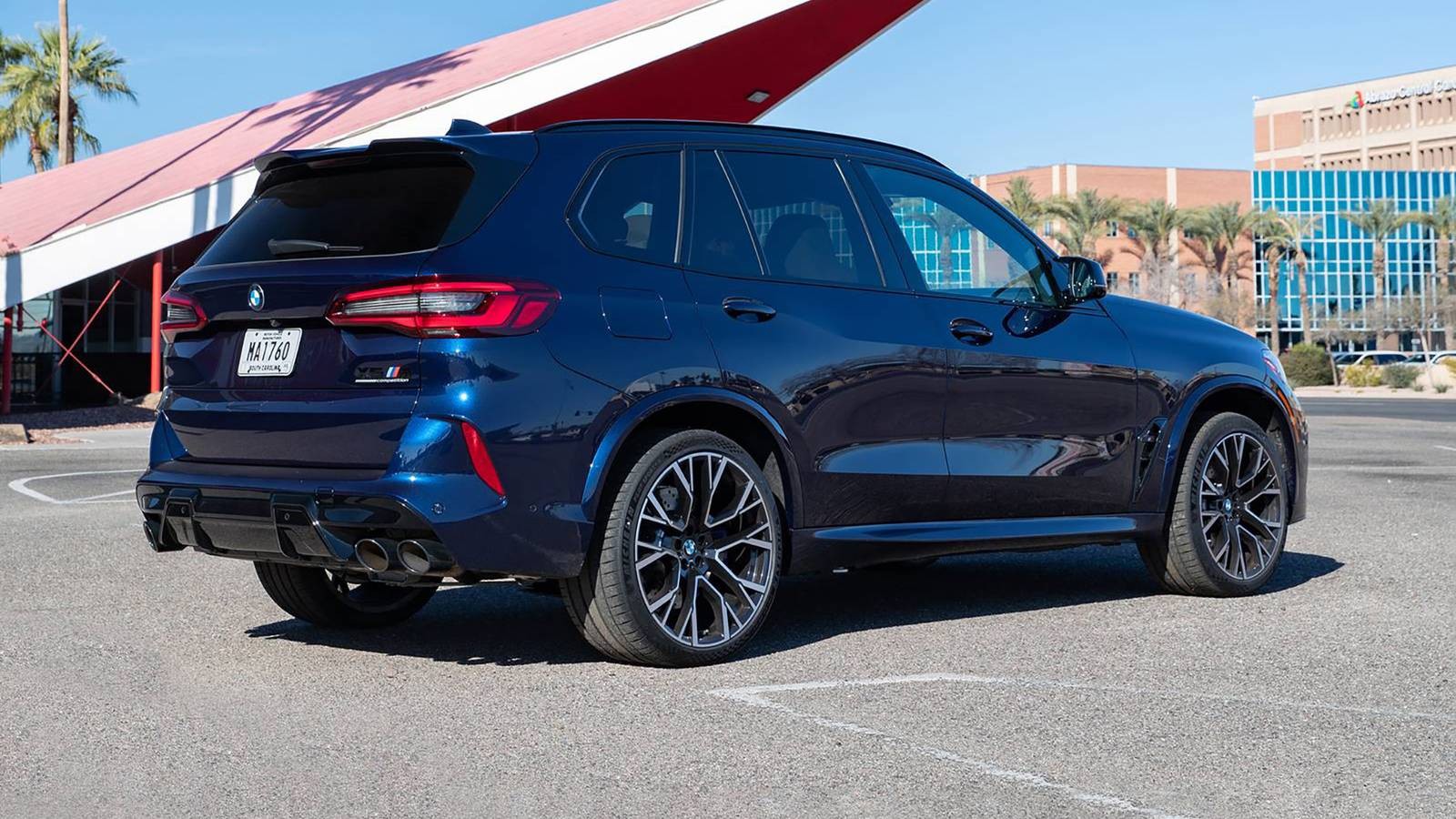
2023 BMW 5? No, X5 (G05)
Average Used Price: $39,000 – $53,800
The big one. The flagship SUV. G05. Expensive. Yes. But Consumer Reports called it one of the best vehicles ever tested. The 2023 model scored 5/5 in both reliability and owner satisfaction. Double perfect.
It has the V-8 option. Ignore it. Buy the xDrive40i. Inline-six. Enough power. Less to fix. It is the most luxurious thing BMW sells without going to M prices.
Pros
* Highest average quality rating for BMW
* Inline-six power with four-cylinder efficiency
* Perfect dual score (5/5 reliability & satisfaction)
Cons
* Still a big investment on used market
* Curved display wait until 2024 models
* It’s not a sports car (no matter the power)
So. Where do we end?
The old advice holds less water. The idea that buying used BMW means automatic repair bills is dying. It hasn’t fully died. But for these models, at these years, it’s closer.
Pick the right engine. The B58 inline-six is golden. The N55 is great. Avoid the weak fours when you can afford the six. Check the year. 2016. 2022. 2023. These aren’t random. They are the peaks.
Just drive.