As the Lizzo song goes – it is about damn time.
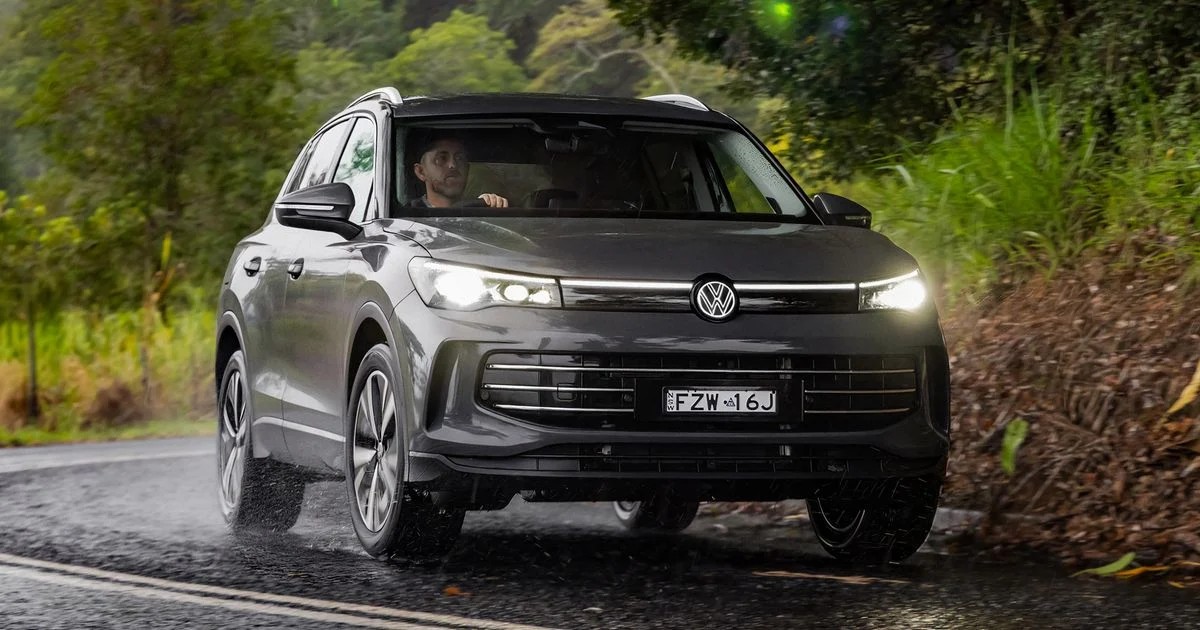
The 2026 Tiguan eHybrid has finally landed in Australia. Plug-in hybrid tech for a mid-size SUV? It should have been here years ago. Europe got it three years back. Overseas models got it even earlier. We are late to the party, sure. But at least we are here now.
This isn’t just another VW. It arrives with the bigger Tayron eHybrid, both sharing the same heart. Two tunes. Over 110km of EV range. WLTP certified, meaning don’t bet the farm on hitting that exactly. But close.
VW is actually leading the charge against the Toyota RAV4 PHEV and Mitsubishi Outlander PHEV in Australia. Well. Leading among the legacy brands. The real competition is BYD. Chinese brands are dominating the PHEV space right now. But VW has moved fast to catch up.
Pricing is aggressive. Shockingly so. The eHybrid sits only $3000 above its petrol twin. That is a whisper of a premium for plug-in tech.
The Price Game
Launch drive-away prices undercut the petrol variants entirely until the end of the financial year. The entry-level price tag sits around $63,995 drive away. That is cheaper than the base RAV4 PHEV or Outlander. And it is generally better equipped.
This defies the norm. Plug-ins usually carry a hefty surcharge. Look at the Cupra Terramar – its sibling. The PHEV version commands nearly $10,0e30 more than its ICE counterpart. VW is playing a different game here.
Still. The Chinese giants are brutal. The Geely Starray EM-i starts under $45,000. The BYD Seal 0n 6 is another cheap option. The Tiguan fights an uphill battle on pure cost. But you are getting VW badge prestige and European engineering. Is it worth it? Maybe.
The strategy is clear: undercut the premium rivals and offer European refinement at a price that forces Chinese brands to blink.
Inside the Cabin
Step inside. It feels familiar if you have touched a recent VW. Good.
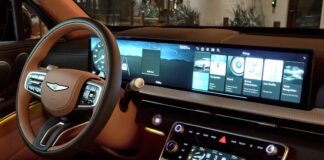
The infotainment screen is huge. Fifteen inches. Some might find it garish, tacked-on looking. But the software is snappy. Faster than the old Mk8 Golf systems. There is a virtual toolbar for climate controls that actually works without digging through menus.
Touch-sensitive buttons on the wheel? Gone. Good riddance. Physical dials return for tactile feedback. There is even a smart dial on the center console that changes color with the ambient lighting. A small thing. But nice.
The seats are the star. ErgoActive branding means power adjustment. Memory settings. Heating, ventilation, and massage. Pneumatic massage, no less. At $63k, you expect luxury. Here it is delivered.
Storage? Excellent. Deep door bins that make my Golf look stingy. A cubby under the center console with wireless charging. Thoughtful.
However. The dash insert is questionable. Gloss black with etched lighting. It looks like VW is trying too hard to mimic Chinese design trends. It clashes. It feels naff. Just my two cents, but I miss the cleaner aesthetic of the older models.
The rear seat slides. Reclines. Folds in a 40:20:40 split. You fit four adults comfortably, or two very tall ones. Boot space is 490 liters with seats up. 1486 liters down. The battery eats 160 liters of capacity compared to the petrol model. No space-saver spare wheel either. Just a repair kit. Typical for PHEVs now.
Under the Bonnet
A 1.5-liter turbo petrol engine. An electric motor. A battery. Six-speed DSG gearbox. Front-wheel drive only.
Simple. Effective.
Real-world efficiency is startlingly good. Our test loop yielded 1.7L per 100km in mostly electric mode. Close to official claims. The hotter 200kW variant did 2.9L per 100k when pushed hard. Still impressive.
Hybrid mode on highways? 3.8L per 100k at 110kmh. Up hills and down. It disproves the myth that PHEVs suck fuel on open roads. They don’t. They thrive.
Total range exceeds 900km when full on fuel and juice. Charging is reasonable. 40kW DC charging gets you from 10% to 80% in 26 minutes. Slow AC charging takes 2.5 hours. Manageable for most driveways.
On The Road
We drove the 150kw and 200kw models back to back in Byron Bay. Mixed roads. Rain. Traffic.
The 150kW Elegance is the comfort choice. Light steering. Supple ride. It glides in EV mode. The 85 kW electric motor feels stronger than its numbers suggest. Immediate torque. Linear delivery. Quiet progress.
Push it though. Full throttle. The front wheels spin. Madly. Traction control kicks in like a sledgehammer. No mechanical LSD here. Just open differentials begging for slip. You must be gentle. Be measured. Or embarrass yourself on a wet corner.
Once rolling, it feels quick. Punchy, almost. But the engine sound? Muted. Thrummy, but boring. No drama. Compare this to the Cupra Terramar’s synthetic engine sound, which can be tweaked to scream if you want. I prefer the theatrics. Admittedly, a hot take.
Ride quality is spot on for a premium brand. The 15-stage adaptive dampeners do the heavy lifting. Even in Sport mode, it isn’t harsh. The steering adds weight, yes. But it feels artificial. Quick. Accurate. But devoid of soul.
The 200kW R-Line is similar, but sharper. Lower profile tires. Variable-ratio steering. It bites a bit more over bumps. It’s noisier. Faster in acceleration. But is it distinct? Not really.
The Tiguan eHybrid is not a driver’s car. Not a hot hatch in disguise. It does not seek corners with enthusiasm. It seeks comfort. Efficiency. Refinement.
It succeeds in all three.
VW’s “premium for the people” line holds up. The drive is smooth. The cabin is tech-rich. The running costs are low. But does it excite you?
Maybe not.
Perhaps that is fine. Perhaps that is all anyone actually needs. A box that goes there. Comes back. Costs nothing to run. Feels nice inside.
Or perhaps you wait for the Cupra. The sharper, louder sibling. The one with the synthetic noises and the actual attitude.
The choice, as it always is, depends on what you value more. Peace of mind, or a bit of chaos.
The battery charges. The engine sleeps. The road passes by.
Is it enough?
Probably.
But it is hard not to wonder what would have happened if they launched it five years ago. Would it still be leading?
Time will tell. Until then, just plug it in. And drive.