


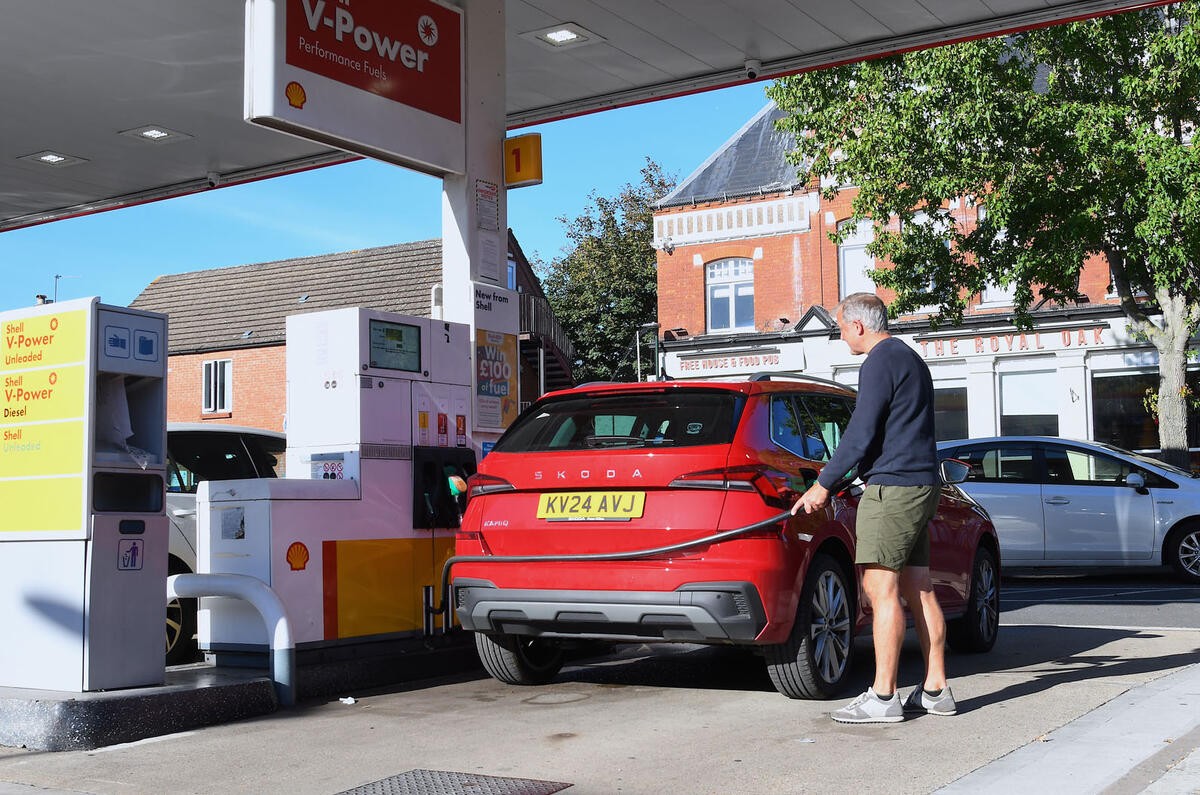
Fuel duty stays put. Until at least late 2026.
The government just hit pause. Chancellor Rachel Reeves wanted to bring pump prices back up to reality. The current rate? 52.95p, thanks to that 5p cut from 2022. The plan was simple. Scrape the cut. Raise the tax by 1p in September, then chip away the rest over six months until the full 5p hike landed.
Plans change. Especially when things go sideways in Iran.
The war started, and suddenly global fuel prices spiked. The government realized a tax hike right then would crush drivers. So they did a U-turn. That 5p relief isn’t just staying for now, it is locked in until the end of this year. Call it a targeted package. Call it damage control. Either way, it means the tax isn’t going up.
“Working people feel it first.”
Prime Minister Keir Starmer said as much. He knows the pressure cooker situation at the forecourt. Energy costs are bleeding wallets. When geopolitical dust storms kick up, it’s the driver who pays, not the war. This move keeps some money in pockets.
It feels familiar. We’ve seen this script before. The original cut happened after Russia invaded Ukraine. Relief. Then came the Autumn Budget last November, with plans to quietly withdraw it once inflation calmed. The logic was that once the cut vanished, fuel duty would just follow CPI.
But inflation isn’t the only thing driving prices. War does that too.
There’s another lifeline. Hauliers get a break. Twelve months of road tax holidays. Instead of shelling out nearly £1,000 at renewal, they pay £1. One pound. It’s a stark difference from the old £912 bill.
Who wins? Everyone with an engine. For now, at least.


