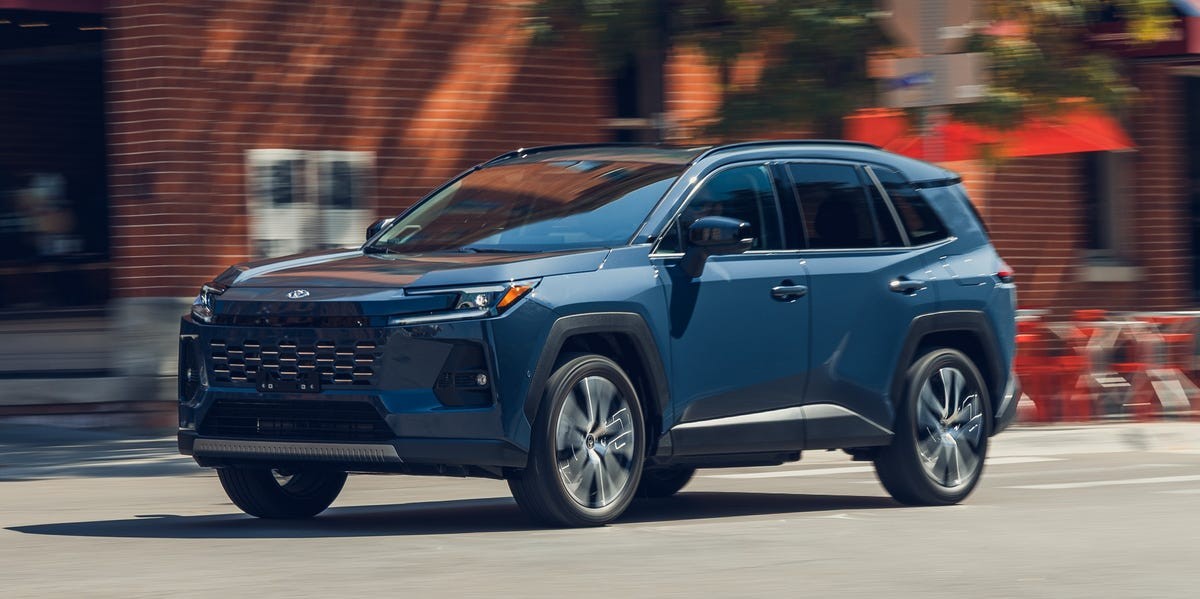
The RAV4 sells well. Not because it’s exciting, but because it works. It lasts forever and it doesn’t cost you your firstborn. But for 2026 things get weird. Toyota flipped a switch. Every single RAV4 is now a hybrid. You still have to pick between a standard hybrid or a plug-in. And that’s before you hit the ten-trim headache. Decision paralysis is real. Our team dug in to find the sensible picks, because frankly, we didn’t have time for the fluff.
The Hybrid Side of Things
Think of it this way. There are really two cars here. One is for people who just want cheap gas and reliability. The other is for people with home chargers and range anxiety. If you are sticking with the standard hybrid, the target audience is clear. You want efficiency and affordability. Don’t overcomplicate it. The SE trim is the sweet spot.
It sits one step above the bare-bones LE, but the upgrade is worth it. Heated seats? Check. Blind-spot monitoring? Yes. 18-inch wheels that don’t look like afterthoughts? Included. You also get auto high-beams, leather on the wheel, and black seats with blue stitching that actually looks premium. Plus parking sensors front and rear so you don’t ding the bumper in tight lots.
Front-wheel drive runs $36,290. Add AWD for $1,400 more. Still cheap for a compact SUV.
Want the liftgate to open at a touch? Toss $400 into the Convenience package. But beware. That choice drags you into buying the Weather package too. That costs another $375. You get a heated steering wheel, auto wipers, and defrost. If you live where snow actually exists, this bundle makes sense. If you don’t? Skip both.
The XSE and Limited trumps? They exist. They offer a massive 12.9-inch screen, standard AWD, ventilated seats, and that cool traffic jam assist thing where you let go of the wheel below 25 mph. But they start around $42k-$44k. At that price, the RAV4 feels… mid. Why pay Lexus-adjacent money for a RAV4? When the Lexus NX350h hybrid starts at $46k, the RAV4 loses its value proposition. It feels like a tax.
The Plug-In Dilemma
Now for the PHEVs. These cost more, sure, but the electric range is the headline. You spend the extra cash for the miles without the gas station visit. So, what to get?
The PHEV XSE. Specifically because of the charging speed.
The SE and GR Sport trims of the PHEV use the slower J1773 connectors. They trickle charge. The XSE gets DC fast charging. You plug in at a public station using CCS, and you get juiced up way faster. Time is money, especially when you are rushing.
What about the Woodland trim? It’s rugged. Big tires, high clearance, roof rack that looks ready for an expedition. But all that height and grip hurts efficiency. You lose about 3 miles of EV range compared to the XSE. Not much, but in a segment built on math, 52 miles beats 49.
The XSE sets you back $48,790. It comes loaded with the 20-inch wheels, ventilated seats, that big 12.9-inch touch screen, and hands-free liftgate. Options are few but pricey. Sunroof is $700. JBL stereo is $620. Driver Assist is $1,170 and it gets you a head-up display. Decide what matters to your eyes and ears.
The Outlier
The GR Sport PHEV costs $50k+. It’s the sporty one. Gazoo Racing tuned the suspension. Summer tires, paddle shifters, spoiler. It’s built to look fast. Does it drive differently? Yes. But unless you actually plan to twist roads aggressively, the stiff ride will just annoy you. It’s a vibe play. A $50k vibe play.
The RAV4 will do whatever you ask. Groceries, road trips, daily commute. It will outlast your other hobbies. The choice just boils down to whether you want the cheap reliability of the SE Hybrid, or the tech-forward range of the PHEV XSE. The middle options feel like paying for brand tax.