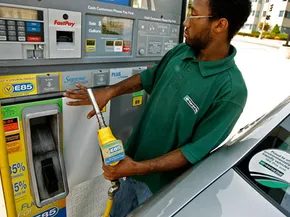
The energy sector is at a crossroads. Relying on foreign oil is a geopolitical gamble, and the carbon footprint of burning fossil fuels is no longer a theoretical debate. It is visible, measurable, and urgent. So, what replaces the tank? Hydrogen promises zero emissions but brings complex safety hurdles. Wind and solar are clean but intermittent. Then there is ethanol. The renewable energy lobby loves it. The pitch is seductive: power our vehicles with abundant crops like corn.
It sounds simple. It might even be noble. But the reality of ethanol fuel production is far messier than the marketing suggests.
What Actually Is Ethanol?
At its core, ethanol is grain alcohol. In the United States, the vast majority of it comes from corn. Brazil takes a different route, using sugarcane. Some facilities also process wheat, barley, or potatoes, but corn remains the primary feedstock in North America.
How Ethanol Fuel is Made
The standard industrial approach is the dry-mill method. It is a chemical transformation that turns solid starch into liquid fuel. Here is the step-by-step breakdown of how corn-based ethanol production works:
- Grinding: Whole corn kernels are ground into a fine powder.
- Liquefaction: The corn powder is mixed with water and specific enzymes. This slurry enters a high-heat cooker. The heat and enzymes break down the complex grain compounds, turning the mixture into a thick liquid.
- Saccharification: The mash cools. A second enzyme is added. This step is critical because it converts the starches into simple sugars, which yeast can actually eat.
- Fermentation: Yeast is introduced. The yeast consumes the sugars, metabolizing them into ethanol (alcohol) and carbon dioxide.
- Distillation: The fermented liquid is heated. Since ethanol boils at a lower temperature than water, it vaporizes first. The vapor is condensed back into a liquid, separating the alcohol from the solid solids and water.
- Dehydration: The remaining water is removed. This is necessary because standard engines cannot run on 100% alcohol; it contains too much moisture and lacks the energy density of pure hydrocarbons.
- Denaturing: A small amount of gasoline is mixed in. This serves one purpose: making the fuel undrinkable. All fuel-grade ethanol must be nonpotable. You cannot drink it. Ever.
The Byproducts
The process isn’t entirely wasteful. The leftover solids, known as distiller’s grains, are protein-rich and valuable as cattle feed. The carbon dioxide captured during fermentation can be sold to beverage companies or for enhanced oil recovery. These byproducts help offset the cost of production for the plant.
The Controversy
Despite the technical elegance of the process, experts in agriculture and environmental science argue that ethanol as a clean energy source is a limited solution. The potential is there, but the drawbacks are significant. The next section will explore why many believe this potential is being overstated, and what the real environmental cost of biofuel sustainability looks like.
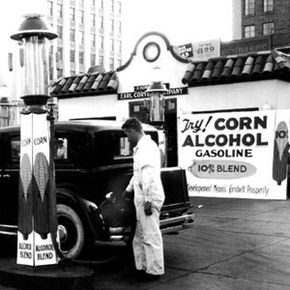
The Carbon Reality of E10 and E85
The math on ethanol as a minor additive is straightforward. It burns cleaner. Why? Oxygen content in the chemical structure aids complete combustion. Mix one part ethanol with nine parts gasoline. That’s E10. It’s in nearly every pump. Greenhouse emissions drop. Carbon monoxide decreases. Nitrogen oxides follow suit.
The data backs it up. Argonne National Laboratory tracked a 10-ton reduction in greenhouse gas emissions in 2007 alone due to ethanol fuel use. A 2006 Wisconsin study showed 16 percent fewer high-ozone days after 10-90 fuel hit the market in 1994. Less smog. Cleaner air. You burn slightly less gasoline per mile too. Any modern car handles E10. No modifications needed.
Then there is E85. Eighty-five percent ethanol. Fifteen percent gasoline. This is for flexible fuel vehicles (FFVs) only. It burns even cleaner than E10. It cuts harmful gas release further. It helps with air and water pollution. It tackles global warming and smog at a higher level. But you cannot just fill up. Only one in 40 cars as of 2006 could run on this mix. It’s rare. Most gas stations do not stock it. You have to hunt for it.
The Energy Balance Problem
Scaling up ethanol hits a wall. Two issues. They are related. They are fatal to the argument for mass adoption.
First: Ethanol has far less energy density than gasoline. You get less power. You get fewer miles per gallon.
Second: Using food crops for fuel reduces land available for actual food. It competes with the dinner plate.
Experts agree on these points. They disagree on the severity.
David Pimentel, an agriculture professor at Cornell University, says the process yields a net energy loss. He calculated the inputs. To produce one gallon of ethanol from corn takes 131,000 BTUs of energy. The gallon itself contains only 77,000 BTUs. The math is brutal. Farmers use fossil-fuel tractors to plant. They use diesel to harvest. Processing plants run on fossil fuels. Trucks haul the product to distribution centers. The entire chain burns gasoline to create the alternative fuel. You might end up with less energy in the tank than you burned to get it there.
Transport logistics are shifting. A pipeline opened in December 2008. It runs 85 miles through Florida. Tampa to Orlando. Piping ethanol is hard. It absorbs impurities along the route. These contaminants damage standard pipeline materials. The Texas company building this line claims to have solved the issue. One pipeline does not change the national grid. It’s a prototype. A proof of concept.
Not everyone accepts Pimentel’s pessimism. The U.S. National Renewable Energy Lab offers a different view. They find it takes 1 BTU of fossil fuel to produce 1.3 BTUs of ethanol. That is a 30 percent net gain. Positive energy balance. The debate is active. The numbers shift depending on who is measuring.
Land Use and the Food vs. Fuel Debate
Pimentel’s group argues corn is not truly renewable. They look at the land footprint. Powering a car for a single year with ethanol requires 11 acres of corn. That is 44,515 square meters. Those 11 acres could feed seven people.
Corn fields need time to recover. Soil erosion. Irrigation stress. The land goes offline for extended periods. No corn for fuel. No crops for food. To sustain an ethanol-based industry, you need more land. You take more farm acreage out of the food supply. The result? Shortages. Higher prices. Your grocery bill goes up because you are driving on salad.
There is a potential loophole. Cellulosic ethanol. It uses non-food biomass. Corn stalks. Wood chips. Switchgrass. It does not compete with food crops. It uses the waste. If this niche sector expands, it could offer a cheaper, viable compromise. It solves the land issue. It solves the food competition.
The industry is watching. The technology is nascent. But the pressure is on. Can we scale clean burning fuel without breaking the food supply? The pipeline in Florida is just the start. The answer might be growing in the fields, not in the tank.
The Data Behind the Debate
If you are looking for the hard numbers, Argonne National Laboratory has them. Their data shows that in 2007 alone, ethanol use cut greenhouse gas emissions by 10 million tons. That is a concrete drop in the bucket, but is it enough to justify the machinery required to make it?
The debate rarely stays in the lab. It spills out into policy and pantry shelves. Critics like Roger Segelkin argue that corn-based ethanol is an unsustainable, subsidized method of burning food. The concern isn’t just about carbon. It is about whether we are destabilizing global food supplies for the sake of fuel tanks. The New York Times covered this tension back in January 2007, framing it as a “springtime” for the industry despite the looming food crisis.
Where the Fuel Flows
Infrastructure tells a different story than ideology. While the agricultural impact is hotly contested, the logistics have matured. By late 2008, dedicated ethanol pipelines began service, solving the transport headache that once hampered widespread adoption. Kate Galbraith reported on this shift in the Times, noting that moving liquid fuel is easier than moving grain.
This logistical fix supports the broader push for alternative energy. The National Renewable Energy Laboratory and Ethanol.org provide extensive technical backing for these claims. They track everything from yield per acre to carbon lifecycle analysis. Meanwhile, outlets like Planet Green and TreeHugger keep the consumer conversation alive, asking if your daily drive is actually helping the planet or just the corn lobby.
Beyond the Cornfield
Ethanol is just one node in a larger web of alternative fuels. The questions extend far beyond corn. Can we run engines on grass? What happens if we switch to hydrogen? The mechanics differ. Hydrogen requires entirely new fueling stations. Biodiesel uses waste grease. Electric and hybrid systems sidestep liquid fuel altogether.
For those obsessed with the details, the sources are varied. BusinessWeek’s Alex Halperin dissected the myths surrounding ethanol in 2006. NPR’s Christopher Joyce backed the science of ethanol as a gasoline substitute. But the data is never static. It shifts with crop yields, oil prices, and political will.
The pipeline starts now. The science is there. The question is whether the market follows the data or the subsidy. You can check the live feeds from the labs, read the old Times archives, or just keep your foot down and see what burns.