Changing your own oil is a ritual. It’s cheap. It’s satisfying. But it comes with a single, high-stakes variable: volume. Get it wrong, and you’re playing Russian roulette with your engine. Too little oil? You risk overheating and slapping metal against metal. Too much? You crank up the pressure inside the crankcase. The result can be oil hunting for exits it shouldn’t have, potentially leaking onto your clutch pads or ruining your catalytic converter. That is an expensive, smelly mistake.
You need the exact number. Not a range. Not a guess.
Sure, you could Google it. And you should. But relying on a generic search often leads to conflicting advice on forums or outdated databases. The real truth about how much oil your specific vehicle needs is hidden in three specific places. Find those, and you never have to buy a quart over again.
The Owner’s Manual: The First Stop
It’s boring advice. It’s also the most accurate.
Look at your glove box. Pull out the little book. Flip to the maintenance section. Most manufacturers list the oil capacity right there, usually under “Fluids and Lubricants” or “Specifications.” They often break it down by filter type. Does your car take a standard cartridge or a spin-on? The capacity might shift by 0.2 quarts depending on the hardware you install.
If the manual is missing or dog-eared beyond recognition, the digital version is usually available on the manufacturer’s site. Search for your model year and trim.
The Oil Cap or Under-Hood Sticker
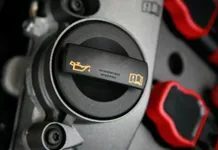
Here is a trick most DIYers miss. Look at the oil filler cap itself. Many modern cars stamp the required oil grade and sometimes the capacity directly onto the plastic lid. It’s a quick visual check.
Wider than that, check the radiator support or the strut tower. There should be a sticker listing fluid specifications. If your engine bay is clean, this label is often there. It’s not always present on every model, but when it is, it’s authoritative.
The Dipstick: Your Last Line of Defense
You know the drill. Run the engine. Let it warm up. Turn it off. Wait five minutes. Pull the dipstick. Wipe it. Reinsert it. Pull it out again.
This isn’t just for checking levels during maintenance. It’s for verifying capacity if you’re unsure. If you’re filling from scratch after a drain, pour in a known amount—say, one quart less than the estimated total. Start the engine. Let it idle for a minute to circulate the new oil. Turn it off. Wait. Check the stick.
Does the oil line sit between the “Min” and “Max” marks? Good. If it’s too high, you’ve overfilled. If it’s too low, add more in half-quart increments. Never exceed the “Max” mark. Overfilling pushes the crankshaft into the oil, creating foam. Foamed oil doesn’t lubricate. It aerates. And an aerated oil pump is a dead pump.
Why Exact Numbers Matter
You might think “close enough” works. It doesn’t.
Engineers design oil galleries and sump pickups for a specific volume. Deviate significantly, and you change
确切的步骤因品牌和型号而异,但逻辑保持一致。 我们正在寻找一个特定的数字。 为了进行演示,我们以 2011 款丰田普锐斯为例。 如果您需要了解机油容量,有四种可靠的途径可供选择。
Check the user manual first
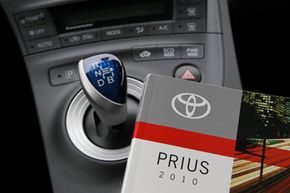
Most of the vehicles are full of brochures. You need a manual marked User Manual. The 2011 Prius manual begins with a table of contents. Look for Section 6 titled “Vehicle Specifications”.
Open the heading “Lubrication system”. The exact numbers for the 2011 Prius are as follows.
Oil capacity (draining and filling)
*With filter: 4.4 liters (4.2 liters, 3.7 Imp. Qt)
* Without filter: 4.1 liters (3.9 liters, 3.4 Imp. Qt)
The manual includes conversions for metric and imperial systems. If you are in the US, stick to quarts and liters. If you live in the UK, you need imperial quarts. Directly below this section is “Engine Oil Selection”. The correct viscosity class is listed. Don’t skip this part. Using the wrong oil can degrade performance faster than using the wrong amount of oil.
访问制造商的网站
物理手册丢了? 就会发生这种情况。 丰田的网站有一个解决方案。 转到主页。 滚动到底部。 将鼠标悬停在“对于所有者”上。 出现一个弹出菜单。 它使您可以访问每种当前和最新丰田车型的数字用户手册和技术表。 它是免费的。 这是官方的。
Use a specialty fluid lookup site
If you don’t have access to the manufacturer’s website, or if you have an older car, turn to a third-party database. Websites such as Oil and Fluid Capacities collect this information.
The process is simple.
1. Click on the Fluid Volume Lookup tab.
2. Click the Online Product Application Guide button.
3. Enter the year of your car.
4. Click on Build List.
This creates an extensive list of manufacturers. Choose Toyota. Choose the Prius. Next, select the engine code. The 2011 Prius has only one option: a 1.8-liter 4-cylinder engine, code 2ZR-FXE variable fuel.
This site shows all the liquid capacities of this platform. The oil is listed as “engine with filter…4.5 quarts.”
Wait. This is slightly different from Toyota’s manual 4.4 quarts. Is this a problem? No, it’s probably just rounding the numbers. The differences are minimal. Use the manufacturer’s number if available. If not, use a third party number. Both are safe.
相信量油尺的当前液位
你不需要总容量就能知道你是否低。 您只需检查当前级别即可。
让发动机冷却五分钟。 热油膨胀并给出错误的低读数。 拉出量油尺。 用抹布将其擦干净。 重新完全插入。 将其拉回来。
尖端上的油显示您的水平。 如果接近底部标记,请加油。 慢慢添加。 当您接近顶部标记时停止。 现代发动机在“满”线上方有一个小的未填充空间。 如果您对漏斗稍有攻击性,这可以防止过度填充。 稍微过量一点就好了。 大量溢出则不然。
它几乎适用于所有事情
2011 款普锐斯只是一个例子。 这些方法适用于您的本田、福特、宝马。
1.检查手册。
2.检查网络。
3. 检查数据库。
4. 检查量油尺。
数字发生变化。 该过程没有。