



We’ve all been there. You’re trying to move a few books. Or maybe just groceries. A backpack is fine. A cat is fine. But then there are those moments where you try to carry too much. You trip. You spill milk. You crush the bananas. Your arms get tired. Your back hurts. The human body has limits. We only have so much strength.
Cars have limits too. You are constantly hauling things. Boxes. Furniture. Gear. Down highways. Down side streets. It seems easy. It isn’t.
Overloading a vehicle is dangerous. It strains the engine. It stresses the transmission. It wears out the suspension faster than you can imagine. And it puts you at risk. Other drivers are at risk. You aren’t just moving cargo. You are moving weight. And weight changes how a car behaves.
Knowing your payload capacity is not optional. It’s a safety requirement.
What Exactly Is Payload?
Let’s get the definition straight. Payload is simply the total weight a vehicle can carry. This includes people. This includes pets. This includes every single thing you throw into the trunk or the bed.
Many drivers forget the biggest chunk of payload. Passengers.
A full tank of fuel counts.
Towing equipment counts.
Aftermarket parts count.
If you ignore passengers, you are guessing. And guessing gets you into accidents. You need to know your numbers. Before you load up, check the specs. Don’t rely on gut feeling.
Why Does This Number Matter?
Why do we care about these numbers?
First, safety. An overloaded vehicle brakes poorly. It handles poorly. It can roll. It can fail.
Second, efficiency. If you overload, your engine works harder. You burn more fuel. You damage parts.
Third, logistics. Knowing your limit helps you plan trips. You won’t make twenty trips when you only needed three.
But how do you find this magic number? It’s not usually in the brochure. It’s not always on the dashboard sticker.
How to Find Your Vehicle’s Limit
You need to look at the door jamb sticker. Or the owner’s manual. Look for two specific numbers:
- GVWR (Gross Vehicle Weight Rating). This is the maximum total weight of the vehicle itself plus everything in it.
- Curb Weight. This is how much the vehicle weighs when it’s empty. No people. No cargo. Just the car, fluids, and full tank of gas.
Subtract Curb Weight from GVWR.
The result is your available payload.
Do the math. Write it down. Stick it on your fridge.
This number tells you exactly what you can carry. Not more. Not less.
The Passenger Variable
Here is where most people mess up.
People think payload is just for cargo. It’s not.
Your spouse weighs 150 pounds.
The kids weigh 200 pounds combined.
The dog weighs 40 pounds.
That’s 390 pounds gone.
Now check your cargo weight.
If you have 200 pounds of luggage, boxes, and tools… you might be over your limit already.
Don’t forget the fuel. A full tank
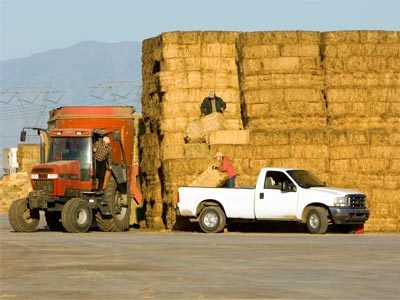

Figuring out if you’re about to overload your ride comes down to simple math. You need two numbers: your vehicle’s gross vehicle weight rating (GVWR) and its curb weight. Ignore the rest until you have those.
Gross vehicle weight rating (GVWR) is the hard limit. It’s the maximum weight the manufacturer says the whole thing can handle. We’re talking about the metal shell, the engine, plus every drop of fluid required to run it. Gasoline. Diesel. Oil. Coolant. Then add the driver, passengers, and whatever you’ve thrown in the back. That’s the ceiling. You’ll find this number on a sticker near the door latch or in the owner’s manual. Some websites list these specs too, but check the sticker first.
Curb weight is lighter. It’s just the weight of the vehicle itself. No people. No cargo. But it does include a full tank of gas and all operating fluids. It’s the baseline weight before you start loading it up.
To find your payload capacity, you subtract the curb weight from the GVWR.
GVWR – Curb Weight = Payload Capacity
Let’s look at a concrete example. Say you’ve got a sedan with a GVWR of 3,500 pounds (1,588 kg). The curb weight sits at 3,000 pounds (1,361 kg). Do the subtraction.
3,500 – 3,000 = 500 pounds (227 kg).
That’s it. You have 500 pounds of room for people, groceries, and tools. Once you hit that number, you’re in trouble. Suspension sag. Brake fade. Tire blowouts. It’s not worth the risk.
But does the type of vehicle change the game? You might assume a truck handles load differently than a car. It doesn’t. The physics are the same. The math holds. But trucks often have higher GVWRs and different curb weights, leading to vastly different payload ceilings. This is where people get tripped up. They see a big truck and think “infinite capacity.” They don’t.
Truck Payload
Trucks are built for work, but that doesn’t mean you can ignore the numbers. A full-size pickup might have a GVWR of 7,000 pounds and a curb weight of 5,500 pounds. That gives you 1,500 pounds of payload. Sounds like a lot until you fill the cab with two adults, some gear, and a full bed of mulch. You might exceed that limit without realizing it.
The key is checking the sticker. Door jamb. Owner’s manual. Don’t guess. Manufacturers calculate these limits based on suspension design, tire load ratings, and braking capacity. Exceeding your GVWR voids warranties and compromises safety.
So, whether you’re driving a compact hatchback or a heavy-duty diesel, the process is identical. Find the GVWR. Find the curb weight. Subtract. If the remaining number is small, don’t push it. If it’s large, respect it anyway.
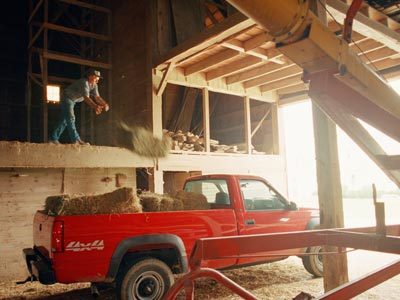
Payload in a pickup is not the same as luggage in your hatchback. You wouldn’t haul half a sheet of plywood in a Subaru, just like you don’t need a Class 8 rig to drop off a few cases of soda. The distinction matters. Trucks are built for heavy cargo. Cars are built for people.
The U.S. government doesn’t just guess at capacity. They use the Gross Vehicle Weight Rating (GVWR) to classify every truck on the road. This number represents the maximum operating weight of a vehicle, including the curb weight, passengers, and cargo. It’s a hard limit. Exceed it, and you’re playing with suspension failure and brake issues.
How Trucks Are Classified by Weight
The Department of Transportation sorts these vehicles into weight classes. There are eight of them. The lines between them are strict.
Light-Duty Trucks
Classes 1 and 2 fall here. These are your everyday pickups and work vans.
- Class 1: 6,000 pounds (2,722 kg)
- Class 2: 10,000 pounds (4,536 kg)
If you buy a Ford F-150 or a RAM 1500, you are likely in Class 2, possibly edging into Class 3 depending on the engine and bed configuration.
Medium-Duty Trucks
Classes 3 through 5. These start getting serious.
- Class 3: 14,000 pounds (6,350 kg)
- Class 4: 16,000 pounds (7,258 kg)
- Class 5: 19,500 pounds (8,845 kg)
You see these in box trucks, delivery vans, and larger commercial pickups. They require different licensing in some states.
Heavy-Duty Trucks
Class 6 and above.
- Class 6: 26,000 pounds (11,793 kg)
- Class 7: 33,000 pounds (14,969 kg)
- Class 8: Above 33,000 pounds
Class 8 is where semi-tractors live. If you are driving one of these, your payload capacity is a logistical equation, not a suggestion.
Why Categories Matter for Your Load
The DOT groups these into three broad buckets: light, medium, and heavy duty.
Knowing where your truck sits in this hierarchy tells you exactly what you can tow and what you can carry in the bed.
This isn’t just bureaucratic labeling. It affects insurance, maintenance schedules, and license requirements. If you know your GVWR class, you know your hard limit. Exceeding it voids warranties and risks your life.
The math is simple.
Payload Capacity = GVWR – Curb Weight – Passengers – Fuel
Most people forget the passengers. You and your dog count. The gas tank counts. The payload rating on the door jamb is the maximum additional weight. Not the total weight.
If you are carrying lumber, concrete, or tools, check
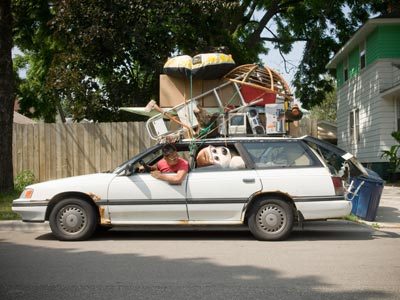
We take payload for granted in sedans. It’s not like a dad checks the rear axle weight before buckling the kids in for a road trip. Car payloads are inherently lower. You simply can’t fit enough heavy ballast in a Honda Civic to break its limits. The geometry of the vehicle prevents it. But that doesn’t mean you can ignore it.
Passengers are weight. Always.
Manufacturers use a standard 150-pound (68 kg) baseline per seating position. This is a conservative estimate. A 200-pound driver eats up that quota immediately. If your rear bench is empty, you have 450 pounds (204 kg) of “free” capacity available for cargo. Fill it with gear, and you’re maxing out the limit. Do it with three adults, and you’re hovering near the edge.
SUV Payload
SUVs change the math. They are built for utility. The frame is stiffer. The suspension is tuned for load. But they aren’t immune to physics.
Consider a midsize crossover like the Toyota Highlander. Its payload capacity might sit around 1,400 pounds. Subtract five passengers at 150 pounds each. That’s 750 pounds gone. You have 650 pounds left for luggage, roof racks, and towing tongue weight. Fill the trunk with camping gear and add a bike rack on the back, and you’re in the danger zone.
Larger body-on-frame trucks offer higher limits. But most crossovers fall in the middle. They carry more than a sedan. Less than a pickup. The difference matters when you’re planning a long haul.
Weight distribution is the silent killer.
Load the rear too heavy. The front lifts. Steering becomes vague. Braking distances increase. You lose traction. It’s not about total weight. It’s about where that weight sits relative to the axles.
“Payload isn’t just about the gross weight. It’s about how that weight shifts under acceleration and braking.”
This is why roof boxes are risky. They raise the center of gravity. They don’t just add weight. They add leverage. A 100-pound box on the roof of a Subaru Outback affects handling more than a 100-pound bag in the cargo floor. The floor is low. The roof is high. Physics doesn’t care about your vacation plans.
Towing adds another layer.
When you hitch up a trailer, the tongue weight pushes down on the rear hitch. This counts against your payload. It’s not separate. It’s part of the equation. A 500-pound trailer tongue can eat up half your remaining cargo capacity. Check the door jamb sticker. Look for “Total Payload Capacity.” Do the math. Subtract people. Subtract fuel. Subtract the tongue. What’s left is your real limit.
Miss this step, and you’re gambling with stability.
Most drivers don’t think about it until the sway starts. That’s too late.
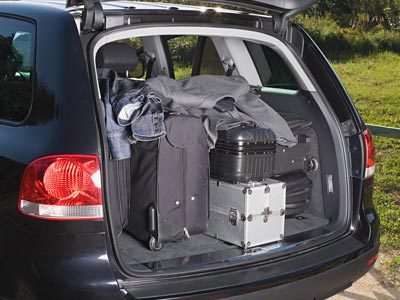
SUV buyers often fall for the “best of both worlds” myth. They imagine a vehicle that hauls like a truck but drives like a sedan. The reality is messier. Payload capacity in an SUV sits squarely between a pickup and a passenger car. You can carry more than a sedan, sure. But you aren’t moving construction materials.
The flexibility comes from the back seats. Fold them forward. Create a massive storage tunnel. You can shove in heavy-duty gear. Luggage. Sports equipment. Tools. It’s easy to make space.
But there’s a hard ceiling. Unlike a pickup, an SUV has a roof. You can’t stack cargo indefinitely. More importantly, treating an SUV payload capacity like a truck’s payload is a recipe for disaster. Safety concerns are real.
People know this. SUVs have a reputation for being dangerous. Not just because they’re big. But because of physics. The center of gravity is high. Load it up too heavy. That center of gravity shifts. Roll-over risk spikes. It’s not a theory. It’s basic mechanics.
Manufacturers heard the complaints. They added electronic stabilizing technologies. Stability control systems help keep the beast on four wheels. But fear drove legislation, too. The National Highway Traffic Safety Administration (NHTSA) stepped in. Since September 2004, they’ve mandated a label. This sticker must appear on the doorjamb of every vehicle with a Gross Vehicle Weight Rating (GVWR) under 10,000 pounds. It states the maximum combined weight of occupants and cargo.
Read that label. It’s not a suggestion. It’s the law. It’s also your safety limit.
“The perception of SUVs is that they’re great for carrying cargo… but many also view them as potentially dangerous.”
So where does that leave you? What if you absolutely need to haul something heavier than that sticker allows? Is there a workaround? A hardware hack? Or is the limit hard-coded into the frame? We dig into the mechanics of increasing payload capacity next.
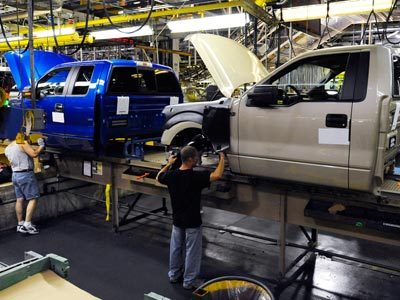
You know your payload capacity. That number on the door jamb sticker is the hard limit. But what if you need to haul more? Is there a legal, safe way to cheat the system? Or do you just accept that your truck is maxed out?
Let’s be clear. You can’t just ignore the limits. Overloading kills. It blows tires, warps axles, and gets you pulled over for unsafe loads. The cops don’t care about your cargo. They care that you’re a hazard.
But if you’re buying a truck and the stock payload isn’t cutting it? There’s a path forward. It’s called a trailer towing package.
What’s Inside a Towing Package?
Manufacturers don’t just slap a badge on the door and call it a day. A proper towing package adds hardware that supports heavier loads.
It usually starts with the basics. You get a heavier-duty hitch receiver. You get the trailer wiring harness pre-installed. You get safety chains built into the frame. These are minor fixes, but they’re essential for hooking up a load.
Then there’s the performance stuff.
“A bigger engine, stronger brakes, and a better cooling system.”
This isn’t just marketing fluff. When you tow, your engine works harder. It gets hotter. A standard cooling loop might overheat under sustained load. A towing package often upgrades the radiator or adds a dedicated transmission cooler. The brakes get larger rotors or better calipers. You need that stopping power when you’re dragging two tons of steel behind you.
Some packages include trailer brake controllers. Others offer upgraded suspension springs to keep the rear from sagging under weight.
Does it increase the payload? Not necessarily. The GVWR (Gross Vehicle Weight Rating) stays the same. But it increases your towing capacity. And often, the stronger suspension allows you to carry slightly more weight inside the cab without bottoming out. It’s about stability.
Why Payload Limits Exist
People ask why they can’t just put more stuff in the bed. It’s physics.
Your vehicle has a curb weight. It has a GVWR. The difference is your payload. If you add passengers, fuel, and gear, you hit that number. Add a trailer on top? You’re now dealing with GCWR (Gross Combined Weight Rating).
Break the payload limit.
- Handling dies. Your center of gravity shifts. Braking distance increases. You might not stop in time.
- Tires blow. Overloaded tires generate excess heat. They fail.
- Legal trouble. An officer can ticket you for an unsafe load. Fines add up. Insurance won’t pay if you’re overloaded during an accident.
Don’t risk it.
Finding Your Specific Numbers
General charts are useless if you don’t have the exact trim and engine. A 2009 Ford F-150 with a V6 has a different payload than one with a V8. Options matter. Tow package matters. Bed size matters.
Below is a snapshot of payload data for specific models. This isn’t exhaustive. It’s a starting point. Check your door jamb sticker for the real number.
Acura Payload Data
Acuras are luxury vehicles. They aren’t built for heavy hauling. Expect lower payload numbers.
2006 Model Year
– MDX: Data unavailable
– RL: Data unavailable
– RSX: Data unavailable
– TL: Data unavailable
– TSX: Data unavailable
2007 Model Year
– MDX: 1158 lbs
– RL: Data unavailable
– RDX: 870 lbs
– TL: Data unavailable
– TSX: 850 lbs
2008 Model Year
– MDX: 1158 lbs
– RL: Data unavailable
– RSX: 870 lbs
– TL: Data unavailable
– TSX: 850 lbs
2009 Model Year
– MDX: 1158 lbs
– RL: Data unavailable
– RSX: 870 lbs
– TSX: 850 lbs
Related Acura Specs:
– Acura GVWR
– Acura GAWR
– Acura GCWR
– Acura Cargo Carrying Capacity
– Acura Curb Weight
– Acura Towing Capacity
Audi Payload Data
Audi mixes sedans with SUVs. The numbers vary wildly between a TT and an A8.
2006 Model Year
– A3: Data unavailable
– A4: Data unavailable
– A6: Data unavailable
– A8: 1213 lbs
– S4: Data unavailable
– TT: 728 lbs
2007 Model Year
– A3: Data unavailable
– A4: Data unavailable
– A6: Data unavailable
– A8: Data unavailable
– Q7: Data unavailable
– RS4: Data unavailable
– S4: Data unavailable
– S6: Data unavailable
– S8: 1213 lbs
2008 Model Year
– A3: Data unavailable
– A4: Data unavailable
– A5: Data unavailable
– A6: Data unavailable
– A8: Data unavailable
– Q7: Data unavailable
– R8: Data unavailable
– RS4: Data unavailable
– S4: Data unavailable
– S5: Data unavailable
– S6: Data unavailable
– S8: Data unavailable
– TT: Data unavailable
2009 Model Year
– A3: Data unavailable
– A4: Data unavailable
– A5: Data unavailable
– A8: Data unavailable
– Q7: Data unavailable
– R8: Data unavailable
– S4: Data unavailable
– S5: Data unavailable
– S8: Data unavailable
– TT: Data unavailable
Related Audi Specs:
– Audi GVWR
– Audi GAWR
– Audi GCWR
– Audi Cargo Carrying Capacity
– Audi Curb Weight
– Audi Towing Capacity
BMW Payload Data
BMW balances sport and utility. The M cars and SUVs tell a different story than a base 3-series.
2006 Model Year
– 325: 1058 lbs
– 330: 1058 lbs
– 525: 1102 lbs
– 530: 1102 lbs
– 550: 1102 lbs
– 650: 838 lbs
– 750: 1058 lbs
– 760: Data unavailable
– M3: Data unavailable
– M5: 1058 lbs
– M6: 941 lbs
– X3: 1025 lbs
– X5: Data unavailable
– Z4: 5
Chevy and GMC Payload Limits
The heavy lifting doesn’t stop at Silverado and Sierra. If you’re looking at the mid-size options or the full-size crossovers, the numbers shift. Take the Chevy Colorado. In 2006 it could haul 1532 pounds. By 2009 that capacity dropped slightly to 1250 pounds. The GMC Canyon mirrored this trend, sitting at 1547 pounds in ‘06 and dropping to 1422 by ‘09. These aren’t massive numbers if you’re planning to fill the bed with topsoil, but they’re enough for a well-stocked tool rack.
Then there’s the Express and Savana. These vans don’t mess around. A 2009 Chevy Express 3500 carries 4147 pounds. The GMC Savana 3500 holds the same line at 4147. That’s a quarter-ton of cargo. But wait. The 2500 series? It’s stuck at 3262 pounds across the board for those years. The 1500 series stays flat at 2306. Consistency is nice, until you realize you need that extra 800 pounds of payload to fit your work crew and gear. You’ll need the 3500. Or just drive two trips.
The Suburban and Yukon offer more flexibility. The Suburban 2500 hits 2828 pounds in 2006. It dips to 2561 by 2007 and stays there. The Yukon XL follows closely. In 2006 it’s 1731 pounds. By 2009, it’s 1592. Not a huge drop, but noticeable when you’re loading it with snow gear or camping equipment. The Tahoe? It sits around 1522 in ‘06, jumps to 1835 in ‘07, and holds steady. The Hybrid variants take a small hit. Tahoe Hybrid drops to 1830. Yukon Hybrid sits at 1830. You trade a bit of payload for the electric assist.
Chrysler and Dodge Payload Limits
Chrysler’s payload numbers are sparse. The PT Cruiser was the standout. In 2007 it could carry 1907 pounds. By 2008 that dropped to 889 pounds. What happened? Maybe they added sound deadening. Maybe the weight distribution shifted. The Aspen SUV held steady at 1600 pounds from 2007 to 2009. The Aspen Hybrid dropped to 1500 pounds in 2009. That’s a 100-pound penalty for the battery pack.
The Town & Country minivan starts at 1200 pounds in 2007 and 2008. But by 2009, the data vanishes. Did Chrysler stop testing? Or did they just not list it? You won’t know unless you check the door jamb sticker on your specific VIN.
Dodge trucks tell a different story. The Ram 3500 is a beast. In 2006 it carries 4660 pounds. By 2008 it hits 4870 pounds. Then, in 2009, it crashes down to 3560 pounds. Why the drop? Possibly a change in axle ratio or suspension tuning. It’s a massive swing. The Ram 2500 climbs from 3020 pounds in ‘06 to 3260 in ‘09. The 1500 series is more erratic. 1750 pounds in ‘06. 1810 in ‘08. Then down to 1490 in ‘09. That’s a 300-pound drop in a single year. If you’re planning to haul a fifth-wheel trailer, check those ‘09 numbers carefully. You might find yourself over the limit without realizing it.
The Sprinter vans are interesting. The 2500 wagon in 2006 carries 4824 pounds. The 3500 wagon sits at 3950. By 2009, the wagon numbers stabilize around 3074 pounds for the 2500. The van versions? They hold steady at 3766 for the 2500 and rise to 4530 for the 3500. The disparity between wagon and van payload is huge. Don’t mix them up.
Ford Payload Limits
Ford’s lineup is vast. The E-Series vans are the payload kings. The E 350 Super Duty in 2006 carries 4165 pounds. It climbs to 4200 in 2007, then settles around 4060 in 2009. The E 250 sits at 3435 in ‘06, rises to 3700 in ‘07, then drops slightly to 3530 in ‘09. The E 150 starts high at 1930, jumps to 3310 in ‘07, then dips to 3220 in ‘09. Why the jump from ‘06 to ‘07? Structural changes. Or maybe a change in how they calculated curb weight. Either way, the E-Series is where you go for heavy loads.
The F-Series trucks. The F 150 starts at 1640 pounds in 2006. It holds at 1650 in ‘07 and ‘08. Then, in 2009, it jumps to 3030 pounds. A massive increase. Did they lighten the frame? Or did they just stop listing the lower trim levels? The F 250 stays around 3100 pounds from ‘06 to ‘07, then drops to 3030 in ‘08. The F 350 holds at 4000 in ‘06 and ‘07, then drops to 3900 in ‘08 and ‘09. The F 450 enters the scene in 2008 with a staggering 6120 pounds. Then in 2009, it drops to 3900. That looks like a typo in the source data, or a major redesign. It’s suspicious.
The SUVs and crossovers are lighter. The Explorer sits at 1414 in ‘06, rises to 1520 in ‘07, and holds. The Expedition starts at 1822 in ‘07 and stays there. The Escape Hybrid holds at 1040 pounds across all years. The Edge enters in 2007 with 1011 pounds. It doesn’t change. The Ranger stays at 1260 pounds for the entire period. Simple. Predictable. Boring, but reliable.
Comparing the Giants
Which truck has the best payload in this era? The GMC Sierra 2500 in 2006 carries 4058 pounds. The Chevy Silverado 2500 HD in 2006 carries 3606 pounds. The Ford F 250 in 2006 carries 3100 pounds. The Ram 2500 in 2006 carries 3020 pounds. The GMC takes the early lead. But by 2009, the Sierra 2500 climbs to 3924 pounds. The Silverado HD jumps to 3873. The Ford F 150 hits 3030. The Ram 2500 hits 3260. The gap narrows.
The vans tell a different story. The Ford E 350 Super Duty is the most consistent heavy hitter. 4100+ pounds for four years. The Chevy Express 3500 hits 4147 in 2009. The Dodge Sprinter 3500 hits 4530. But the Sprinter is a European design. It handles differently. The Ford and GM vans are American workhorses. They’re louder. They ride harder. But they pull more.
What about the mid-size SUVs? The Tahoe and Yukon are nearly identical. The Suburban and Yukon XL are also twins. The differences come in the details. The Tahoe holds 1835 pounds in 2007. The Yukon holds 1830 in 2009. The Suburban 2500 holds 2828 in 2006. The Yukon XL holds 1731 in 2006. Wait. The Suburban 2500 payload is higher than the Yukon XL? Yes. But the Yukon XL is longer. It’s weird. It suggests different suspension setups or axle ratios. Or just different trim levels being tested.
The bottom line? Don’t trust the brochure. Trust the sticker. The numbers in these tables are averages. Your specific VIN might have a different payload capacity depending on the options. Sunroof? Adds weight. Leather interior? Adds weight. Large tires? Adds weight. Subtract all of that from the max payload number. You’ll be surprised how little room you have left for actual cargo.
Honda Payload
Honda’s payload numbers are a lesson in specialization. You don’t buy a Ridgeline for its grace. You buy it because it can haul something without crying about it. The 2006 Ridgeline sits at 1549 lbs. That figure didn’t budge through 2009. It’s a solid baseline for a truck that drives like a sedan.
SUVs tell a different story. The 2006 Odyssey maxed out at 1349 lbs. It held that line until the Pilot arrived in 2007, offering a slightly lighter 1322 lbs for the same year. The Pilot stuck with that number through 2009. The Odyssey didn’t change.
Compact cars? Don’t even bother. The 2006 Insight claimed a meager 400 lbs. That’s barely enough for two people and a backpack. The Civic was slightly better in 2007 and 2008, rated at 385 lbs. The Element was the workhorse of the compact pack, hitting 675 lbs in those same years. The CR-V? It’s a mystery. No data provided for those years, which implies it was either negligible or just not tracked in this specific dataset.
HUMMER Payload
Hummer didn’t do subtle. But payload isn’t about volume. It’s about how much weight you can dump in the bed or on the floor before the suspension groans.
The H3 was the entry point. From 2006 through 2008, it sat at 1150 lbs. Then 2009 happened. The H3 jumped to 1312 lbs. Why? Maybe they stiffened the springs. Maybe they realized the frame was stronger than they thought. Doesn’t matter. The number went up.
The H3T pickup followed a similar trajectory but started lower. 2009 saw it at 1090 lbs.
The H2 was the beast. Early years show no data, likely due to trim variations or just missing logs. But by 2008, the H2 could handle 2200 lbs. It held that capacity into 2009. That’s over a ton. You could put a small family in there and still have room for gear. Or just one family. The math gets tight.
Hyundai Payload
Hyundai in this era was playing catch-up. And by catch-up, I mean they mostly didn’t track payload in public specs.
Look at the 2006 lineup. Accent. Azera. Elantra. Santa Fe. Sonata. Tiburon. Tucson.
Not a single number.
It stayed that way through 2008. The 2009 Genesis arrived, but again, no payload figure. This isn’t laziness. It’s a reflection of the market segment. These weren’t trucks. They weren’t off-roaders. They were commuters. The payload capacity was likely sufficient for two adults and a trunk full of groceries, but it wasn’t a selling point.
If you needed capacity, you went elsewhere. Hyundai was building cars, not haulers.
Infiniti Payload
Infiniti leaned into the luxury SUV segment hard. And luxury SUVs have weird payload dynamics. They’re heavy. So they can’t carry as much.
The FX35 was consistent. 1183 lbs from 2006 through 2008. Then 2009 arrived. The FX35 bumped to 1213 lbs. A small gain. But in the luxury space, every pound counts.
The FX45 stayed at 1091 lbs for three years. Then the FX50 replaced it in 2009, dropping to 1185 lbs. Wait. The new engine is bigger. The new model is heavier. The payload capacity is higher? That’s counter-intuitive. Usually, more car equals less carry. Unless the new chassis was significantly stronger. Or the old one was just weak.
The QX56 was the king of this list. 1440 lbs in 2006. Then a gap. Then 1553 lbs from 2008 to 2009. That’s over 700 kg. You can actually put stuff in a luxury SUV without voiding the warranty.
The sedans? The G35 and G37 were lighter. 886 lbs for the G35 in 2006. 1040 lbs for the G37 in 2008. The M35 and M45 were better. 996 lbs and 1010 lbs respectively. Not much difference. But in the world of German rivals, that gap matters.
Isuzu Payload
Isuzu was disappearing. By 2009, they were gone. But in the mid-2000s, they were still pumping out the Ascender and the i-series trucks.
The Ascender was the outlier. It held steady at 1133 lbs from 2006 to 2008. That’s it. No growth. No decline. Just a flat line in a dying brand.
The i-series was more dynamic. The i-280 started at 1532 lbs in 2006. The i-290 kept that number in 2007, then dropped to 1512 lbs in 2008. The i-350 started at 1190 lbs, jumped to 1516 lbs in 2007, then fell to 1260 lbs in 2008.
Those fluctuations are strange. Did the curb weight increase? Did the GVWR change? The data suggests Isuzu was tweaking the chassis between years, but the payload capacity swung wildly. The i-290 in 2007 was nearly 400 lbs better than the i-370 in 2008. That’s a huge difference for a mid-size truck.
Jaguar Payload
Jaguar in 2006 was a museum of analog driving. The S-Type. X-Type. XJ8. XJR. XK8. XKR.
Most had no payload data. The X-Type was the exception. 1058 lbs from 2006 to 2008. It didn’t change. It didn’t need to. It was a small executive car. You weren’t moving furniture.
Then the XK arrived. The XK coupe in 2009 hit 815 lbs. The XKR coupe was lighter. 772 lbs. That’s tight. Two adults, a full tank, and maybe a weekend bag. If you’re taller than 6-foot-2, you’re taking the bag off.
The XF in 2009 had no data. Another gap. Jaguar’s data tracking in this era was sporadic at best. But the numbers we have show a consistent theme: luxury Jaguars prioritize ride comfort over load carrying. The suspension is soft. The springs are compliant. You can’t abuse them.
Jeep Payload
Jeep is where payload gets real. You don’t buy a Wrangler to look good. You buy it to go somewhere roads don’t exist. And you need to carry gear.
The Commander was the big one. 2006: 1620 lbs. 2007: 1310 lbs. 2008: 1300 lbs. 2009: 1300 lbs.
That drop in 2007 is brutal. 300 lbs vanishing overnight. Did they add safety equipment? Did the emissions systems get heavier? Or was the 2006 model just overstated? It’s hard to say. But the Commander settled at 1300 lbs for the next two years.
The Grand Cherokee was more consistent. 1100 lbs in 2006. 1050 lbs in 2007. Then a jump to 1180 lbs in 2008 and 2009. That’s a 130 lb increase. That’s significant. It suggests the new generation chassis was stronger, or the old one was compromised.
The Wrangler Unlimited was the star. 2008: 1000 lbs. 2009: 1150 lbs. Again, a big jump. The JL chassis (later) would build on this, but here, in 2009, they finally gave the Unlimited enough capacity to carry a full set of tires, a winch, and two people without breaking the suspension.
Kia Payload
Kia was the budget alternative. And the numbers reflect that.
The Rio started at 1273 lbs in 2006. The Rio 5 was lighter. 1200 lbs. It stayed that way through 2008.
The Sorento was the SUV. 2006: 1202 lbs. 2007: **1318
Payload is not a suggestion. It is the hard limit of what your suspension and frame can handle before things start to break. Or worse, before the tires blow out. People confuse towing with payload all the time. Towing is what you pull behind you. Payload is what you throw in the back seat, the bed, or the trunk. Passengers count. Cargo counts. Gear counts. If you are over the max payload (lbs), you are playing with fire.
We are looking at data from 2006 through 2009. This was a messy era for specs. Some models were carried over. Some were refreshed. Some were dead. The numbers below are the maximum payload as rated by the manufacturer. Use this to check your sticker. The one in your driver’s door jamb. Not the brochure.
Mazda Payload Capacity
Mazda tried to do a lot with little. The B-series trucks were essentially rebadged Ford Rangers. They had different engines but shared the same structural limits in many cases.
Mazda B-Series and SUVs
The B2300 and B4000 were stuck at 1260 lbs payload throughout this period. That’s tight. If you add a cap, a toolbox, and a crew, you are done. The B3000 was the oddball. It got a bigger engine and a slightly stronger frame, pushing it to 1680 lbs. That’s a significant jump.
The Tribute was the Ford Escape’s twin. In 2006 it sat at 988 lbs. It crept up to 1057 lbs in 2008. The Tribute Hybrid in 2008 managed 1083 lbs, which is weird until you remember the battery pack adds weight but the electric motor helps efficiency. The MPV minivan was the workhorse of the group. 1506 lbs in 2006. It held steady until 2009 when the B2300 dropped to 1200 lbs but the MPV isn’t listed for 2009, likely meaning production ended or specs shifted.
The CX-9 started strong in 2007 at 1493 lbs. But by 2008 and 2009, the numbers vanish from this list. Either they were higher and unlisted, or the data source missed them. Don’t guess. Check the door jamb.
Mazda Cars and Miatas
The Mazda3 and Mazda6 sedans are not heavy lifters. The 2006 Mazda6 had 1319 lbs of payload. By 2007, that dropped to 1080 lbs. The 2008 Mazda6 recovered slightly to 1087 lbs. The 2009 version sat at 1082 lbs.
The MazdaSpeed6 was a different beast. High-performance tires, stiffer suspension. Less payload. 963 lbs in 2006 and 2007.
The MX-5 (Miata) is a toy. 637 lbs in 2006 and 2007. 633 lbs in 2008. You are lucky if you can fit two adults and a bag of groceries without hitting the limit.
The RX-8 dropped from 779 lbs in 2006 to 765 lbs in 2007 and 2008. 754 lbs in 2009. The rotary engine adds complexity but not payload capacity.
Mercedes-Benz Payload Limits
German engineering means heavy steel. That eats into payload. You might be surprised by how little cargo you can put in these cars once you factor in the driver and fuel.
SUVs and Trucks
The ML350 was consistent. 1616 lbs in 2006. 1635 lbs in 2007 and 2008. 1635 lbs again in 2009. It’s a solid hauler.
The ML500 started at 1496 lbs in 2006, then jumped to 1620 lbs in 2007 and stayed there. The ML63 AMG was lighter in terms of payload due to performance components. 1257 lbs in 2007. 1300 lbs in 2009.
The R-Class was the luxury hauler. 2000 lbs in 2006. That’s huge. But by 2007 it dropped to 1635 lbs, then to 1365 lbs in 2009. Why the drop? Likely a change in standard equipment weight or a revision in rating standards. Don’t assume the 2006 number applies to the 2009 model.
The G500 (G-Wagon) started at 1289 lbs in 2007. Then jumped to 1764 lbs in 2008. The G55 sat at 1433 lbs in 2008. The GL320 was 1086 lbs in 2007. The GL450 and GL550 were both rated at 1620 lbs in 2008 and 2009.
Sedans and Sports Cars
The E-Class held steady at 1157 lbs from 2007 to 2009.
The SLR McLaren was a supercar. It had no business carrying cargo. 626 lbs in 2007. Then it plummeted to 342 lbs in 2008. That’s barely enough for a helmet and a pair of shoes.
Mercury Payload Ratings
Mercury was dying. These cars shared platforms with Fords. The payload numbers reflect that shared ancestry.
SUVs and Crossovers
The Mountaineer was the Lincoln Aviator’s twin. 1549 lbs in 2006. 1443 lbs in 2007, 2008, and 2009. A significant drop after 2006.
The Monterey minivan held steady at 1320 lbs in 2006 and 2007. No data for 2008 or 2009. Production likely wound down.
The Mariner was the Escape’s sibling. 1075 lbs in 2006 and 2007. Dropped to 1059 lbs in 2008 and 2009. The Mariner Hybrid stayed at 920 lbs throughout. The hybrid battery eats into the payload budget.
Sedans
The Grand Marquis, Milan, Montego, and Sable are listed with no payload data. This usually means they are passenger cars with negligible cargo ratings or the data is missing from the source. Do not assume they can carry heavy loads. The G6 from Pontiac (its twin) had a huge rating of 3117 lbs in 2006. Mercury’s version didn’t make the cut here.
MINI Payload Capacity
MINI is small. Very small. The payload limits are tight because the cars themselves are light, but so is what you can put in them.
Hardtops and Convertibles
The Cooper Hardtop consistently rated 816 lbs from 2006 through 2008.
The Cooper Convertible was lighter. 771 lbs in 2006, 2007, and 2008. Removing the roof adds weight to the structure but removes the roof itself? No, the convertible top mechanism and lack of rigidity mean stricter limits.
In 2009, the John Cooper Works Hardtop and John Cooper Works Clubman both hit 816 lbs. The JCW models are performance versions. You might expect them to be lower, but they seem to match the standard Cooper hardtop. The Cooper Clubman in 2008 also had 816 lbs.
Don’t pack the Cooper Convertible with winter tires
Saturn Payload
Saturn’s final years were a bit of a mixed bag when it came to carrying capacity. The 2006 lineup saw the Relay minivan leading the charge with a solid 1350 lbs payload, while the VUE kept it close at 1331. The Ion didn’t have data available for that year. Things shifted slightly in 2007. The new Aura sedan offered 1009 lbs. The VUE Hybrid jumped ahead of its gas counterpart, hitting 1511 lbs compared to the VUE’s 1331. The Outlook SUV was the heavy hitter here with 1678 lbs. The Relay held steady at 1354. By 2008, payload numbers dropped across the board for most models. The VUE fell to 1000 lbs. The VUE Hybrid slid to 1111. The Outlook remained robust at 1678. The Astra hatchback was surprisingly light, maxing out at just 893 lbs. In 2009, the Outlook gained a bit more strength, reaching 1709 lbs. The VUE and VUE Hybrid stayed flat at 1000 and 1111 lbs respectively. The Astra data is missing for this year. If you’re trying to figure out Saturn GVWR or Saturn GAWR for these older, now-defunct brands, you’re digging into some deep history. For Saturn Cargo Carrying Capacity and Saturn Curb Weight, the numbers vary wildly depending on trim, but the max payload figures above are your hard limits.
Scion Payload
Scion didn’t put much weight into their early compact cars. In 2006, the tC, xA, and xB all lack specific max payload data in this dataset. It was the same story in 2007 for the tC. The 2008 model year brought the xD into the fold, but again, no payload number is listed. The 2009 lineup includes the tC, xB, and xD. None of them have a listed max payload in this specific breakdown. This gap in data suggests these subcompact cars prioritized fuel efficiency and city maneuverability over hauling gear. For Scion GVWR, Scion GAWR, and Scion GCWR, you’d need to consult specific window stickers from that era, as the general payload data here is absent. Scion Cargo Carrying Capacity and Scion Curb Weight are intrinsically linked to those missing payload figures. If you own a 2008 xB or a 2009 tC, you’re looking at light-duty usage by design.
smart Payload
The smart fortwo is a city car, not a workhorse. In 2008, the fortwo had a max payload of just 463 lbs. That’s it. One person and a small backpack. Trying to stretch that Saturn GVWR or Saturn GAWR logic onto a smart car is a bad idea. The vehicle’s structural integrity and suspension were tuned for two people and minimal cargo. For smart GVWR, smart GAWR, and smart GCWR, the numbers are low by design. Smart Cargo Carrying Capacity and Smart Curb Weight reflect a minimalist approach. If you need to carry more than 463 lbs, buy a different car. The 463 lbs figure is the hard ceiling for the 2008 fortwo.
Subaru Payload
Subaru has always been about utility wrapped in all-wheel-drive packaging. The 2006 lineup shows a wide range. The B9 Tribeca SUV handled 1560 lbs. The Forester was solid at 1060 lbs. The Outback came in at 1245 lbs. The Impreza WRX STI, being a performance model, had a much lower limit of 794 lbs. The Legacy Sedan and Wagon sat at 1200 and 1300 lbs respectively. In 2007, the Tribeca held its 1560 lbs ground. The Forester dipped slightly to 1010 lbs. The Outback also took a hit, dropping to 995 lbs. The Legacy Sedan fell to 1055 lbs. The Legacy Wagon remained strong at 1290 lbs. The 2008 model year brought some significant changes. The Tribeca plummeted to 660 lbs. Why? Likely a shift in curb weight due to safety updates or engine swaps. The Forester stayed at 1010 lbs. The Impreza WRX STI improved to 1080 lbs. The Outback rose to 1085 lbs. By 2009, the Forester jumped up to 1230 lbs, making it one of the better carriers in its class. The Outback sat at 1078 lbs. The Tribeca remained low at 660 lbs. For Subaru GVWR, Subaru GAWR, and Subaru GCWR, these payload numbers are the result of subtracting curb weight from gross weight. Subaru Cargo Carrying Capacity and Subaru Curb Weight vary by engine and transmission, but these payload caps are the universal constraints.
Suzuki Payload
Suzuki’s presence in the US market was erratic. In 2006, the Grand Vitara handled 1175 lbs. The XL7 was stronger at 1168 lbs. The Forenza and Aerio were lighter, at 981 and 955 lbs respectively. The Reno came in at 941 lbs. The Verona has no data. In 2007, the XL7 surged to 1626 lbs, likely due to a different trim or engine configuration. Other models like the Aerio, Forenza, Grand Vitara, Reno, and SX4 lack payload data for that year. The 2008 lineup saw the XL7 maintain its 1626 lbs capacity. The Grand Vitara stayed around 1178 lbs. The Forenza and Reno were both rated at 926 lbs. The new SX4 was light at 893 lbs. In 2009, the Equator (a rebadged Ford Escape) and the Grand Vitara have no listed payload. The XL7 data is missing, but the SX4 remained at 893 lbs. For Suzuki GVWR, Suzuki GAWR, and Suzuki GCWR, the XL7 was clearly the intended hauler. Suzuki Cargo Carrying Capacity and Suzuki Curb Weight are heavily influenced by whether you have the V6 or four-cylinder model.
Toyota Payload
Toyota’s payload numbers are generally robust, reflecting their truck and SUV heritage. In 2006, the Tundra pickup led with 1835 lbs. The Highlander was strong at 1840 lbs. The Highlander Hybrid was slightly behind at 1605 lbs. The Sienna minivan handled 1570 lbs. The Tacoma truck was at 1540 lbs. The Land Cruiser came in at 1500 lbs. The Sequoia SUV had 1510 lbs. The 4Runner was at 1285 lbs. The Matrix and RAV4 were around 1166 and 1130 lbs. The Camry and Corolla were both near 1055-1059 lbs. The Avalon was at 1075 lbs. The Prius was at 1085 lbs. In 2007, the Highlander remained high at 1844 lbs. The Highlander Hybrid stayed at 1605 lbs. The FJ Cruiser added 1280 lbs to the mix. The Tundra dropped significantly to 1470 lbs. The Sienna also dropped to 1420 lbs. The Prius took a big hit, falling to 863 lbs. The Avalon was at 1070 lbs. The Corolla and 4Runner held steady around 1055 and 1285 lbs. The 2008 lineup saw the Highlander drop slightly to 1821 lbs. The Highlander Hybrid fell more sharply to 1427 lbs. The Land Cruiser increased to 1585 lbs. The Sequoia dropped to 1280 lbs. The Tacoma fell to 1415 lbs. The Tundra stayed at 1470 lbs. The Prius remained low at 863 lbs. In 2009, the 4Runner, Avalon, Corolla, FJ Cruiser, Highlander, Highlander Hybrid, Land Cruiser, RAV4, Sienna, and Tacoma all had listed payloads. The Corolla jumped to 1113 lbs. The FJ Cruiser rose to 1325 lbs. The Highlander stayed at 1821 lbs. The Highlander Hybrid was 1427 lbs. The Land Cruiser remained at 1585 lbs. The Sienna


