


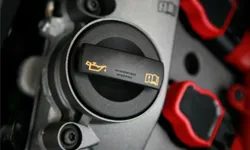
Quick Lube Shop no longer just replaces synthetic compounds. They sell everything from transmission fluid changes to air conditioning repairs. Lucky or unlucky, depending on your point of view, this technique can also push an engine flush. Sounds simple. Spray the chemicals, let the engine idle and then drain the sludge. Done.
But here’s the problem. Most manufacturers advise you not to do this.
Honda’s Chris Martin puts it bluntly. The company’s engineers have done thorough testing. Special maintenance standards have been set for performance and longevity. Engine flushing isn’t one of them. GM agrees. Change the engine oil in time. It does not need to be rinsed. Period.
Why? Because engine technology is developing. Modern seals, tight tolerances and synthetic oils do the heavy lifting. aggressive flushes don’t help. They might actually harm the engine. Of course, the old varnish is dissolved. However, this varnish may be the only thing that can stop worn seals from leaking.
However, there are exceptions. Old cars. Neglected vehicles. The engine has been driven a lot of hard miles and its poor maintenance records. In these special cases, engine flushing can be a valuable measure.
Let’s look at five benefits. Let’s start with the most obvious.
5: Remove Deposit Build-Up
Sludge is the enemy. It is created when oil breaks down. Heat. Oxidation. Contaminants. Over time, the oil turns into a thick, tar-like substance. Covers internal components. Pistons. Cylinders. Valves. This build-up restricts oil flow. Reduces lubrication. Increases friction.
An engine flush targets this gunk. The chemicals break down the sediment. Loosen the sludge. Drain it together with the old oil. result? Cleaner internals. Improves oil circulation. Better engine efficiency.
In older vehicles with a lot of sludge, this can restore lost performance. Reduce noise. Smooth operation. This is not magic. But it works.
Is it necessary for your new Civic? No. Will it work on a truck that has 200,000 miles and no oil changes in 3 years? Perhaps. That’s the difference. Don’t use the latest engine for no reason. But don’t ignore the signs of neglect in an older one.

People living in cities know the struggle. Drive 3 miles to the grocery store. you turn the key. The engine is hot enough to circulate oil, but not hot enough to burn condensate or dissolve sludge. Then you arrive. You turn off the engine.
This is the silent killer of internal combustion engines.
Short trips or traffic jams can prevent the oil from reaching its optimal operating temperature. Without heat, fuel byproducts and moisture remain. They mix with metal shavings and soot. Over time, this sludge solidifies. Covers valve train components. It can block the narrow oil channels.
Flow restricts. The pressure drops. Metal grinds on metal.
Removing sludge by flushing the engine
This is where engine flushing comes in. This is not magic. Its chemical action is to break down the bonds that hold this gunk together.
You add a solvent-based cleaner before changing the old, dirty oil. Let the car idle for 10-15 minutes. The cleaner circulates. It attacks the varnish and sludge deposits from crankcase, oil pump and oil passage liners.
The deposits break apart. They are suspended in a liquid.
When you drain the oil, you’re not just throwing away the old lubricant. You’re washing away the build-up that never had the chance to burn off during normal driving. The new oil is clean. Flows freely even in tight spaces. It reaches the bearings that were starved before.
Flushing the engine removes deposits and can open narrow, clogged by gunk oil channels.
Who Needs This Most?
Not all drivers need a flush every year. A regularly serviced highway cruisers usually produces enough heat to keep the vehicle clean. But if your car spends its entire life stuck in traffic, flushing becomes a necessity rather than a luxury.
Look for signs such as:
- Dark, gritty oil. that doesn’t clear up even if you change it right away.
- Sluggish valve lifters causes clicking during cold start.
- History of neglected maintenance caused delay in oil change.
- High mileage, without a documented deep clean.
The purpose is to restore the engine’s original purpose of use. You’re removing the barriers that prevent parts from working properly.
Risk factors
Some mechanics object to this. They worry that dislodging large chunks of sludge would block the oil collection screen. This is a natural concern for an engine that haven’t been changed in years. If the sludge is thick and large, aggressive flushing might can send a plug straight into the pump.
For most modern cars that aren’t perfect but have been serviced regularly, the risk is low. Solvents are mild in nature. Its purpose is to dissolve, not excavate.
If in doubt, have a service technician check the oil filter. A filter clogged with black sludge is a clear sign. The passages are struggling. Flushing may be the only way to get fresh oil where it should be.
This is the reset button. A chance to start over.
Does your car live in the city? Or do you mainly drive on empty highways? The answer determines how much gunk waits to harden while you sleep.
Why keep the new oil clean?
About engine flushing: It’s not a magic wand. For most vehicles, skipping flushes and sticking to a strict oil change schedule is a smarter and safer choice. Most modern engines are designed to withstand the changing viscosity of fresh synthetic compounds and detergent packs, eliminating the need for engine flush.
But let’s be honest: not all cars on the road fall into the “well-maintained” category. In certain situations, flushing the engine is not only useful, but also necessary to prevent premature wear.
Vehicle with black box service history
You bought a 2008 sedan for a song. The price is reasonable and the body looks good, but the glove box is empty. There is no receipt. There are no service logs. All you need is a key and a prayer. When you’re dealing with a used car without paper tracking, it’s like flying blind. The sludge doesn’t always announce itself with a clunking noise until it’s too late. Changing high-quality engine oil after flushing the engine can act as a diagnostic reset. Remove dirt left by the previous owner. A damaged engine cannot be repaired, but the slow oil pressure leak caused by blocked passages will stop.
Vehicle recovered from internal engine work
Sometimes the history is known, but it’s painful. If your car has recently undergone major internal repairs, such as a timing chain replacement, head gasket replacement, or even a complete rebuild, debris is inevitable. Metal shavings, old sealing material and carbon waste do not disappear. They linger.
Adding new oil to a dirty engine is like pouring fresh wine into a dirty glass. Flushing the engine removes small particles left from the repair work and drained out. Protect your new oil and filter investments by keeping your lubrication system in pristine condition before new fluid hits your pistons.
Vehicles with extended oil change intervals
Let’s talk about the “I change it when it looks bad” crowd. If your service information says oil change intervals of 10,000 miles, 15,000 miles, or more, you’re playing Russian roulette with your engine’s life. The oil breaks down. It loses its viscosity. It becomes acidic. And what happens to the dirt that gets on it? Settled.
If you don’t change your engine oil regularly, contaminants can form a thick, lacquer-like sludge that coats the internal components of your engine. This restricts flow. It starves bearings. In these situations, engine flushing is not a luxury. This is all about damage control. It removes hardened deposits that regular oil changes can’t reach and allows your engine to last thousands of miles with proper maintenance.
Keep the new oil clean
The goal is not to improve the performance of the used oil. This prevents the new oil you paid a lot of money from losing quickly. If you flush the system creates a clean slate. The fresh additives in our new synthetic blends do what they’re supposed to do: clean, protect and lubricate without fighting a losing battle against five years of careless maintenance.

If the service history is vague or the car you bought has been used and there are no records, you don’t know what’s going on with the car. This is where engine flushing comes in handy. The logic is simple. First remove all debris and then fill with new oil. Flushing removes sludge that new oil can only stir, so it makes sense to do both at the same time.
Without this cleaning step, fresh oil acts like a sponge and immediately absorbs old impurities. It circulates them through the engine instead of letting them settle. Before you know it, the new oil is dirty again. If you skip the flush, you may end up changing it sooner than necessary, especially if the previous maintenance was less than ideal.
2: Clean up what the filter misses
Oil filters are great, but they aren’t magic. They trap large particles, but not the fine sludge and varnish that coats the inside of the engine block. Engine flushing targets these small residues. It dissolves the gunk that sits between the filter’s recovery area and moving parts.
Think of this as a deep clean of the internal components. The filter handles the big stuff. Rinsing does the rest. If you skip this step, hidden grime stays in place. It eventually breaks loose and clogs passages. Over time, oil flow can become restricted. The pressure drops. Lubrication fails.
Many mechanics recommend performing this service every 30,000 to 50,000 miles. Some people may do this more often if the car has a history of neglect. Using high quality synthetic oil and changing it regularly is not always necessary to keep your vehicle in perfect condition. But what about the rest of us? It’s cheap insurance.
The liquid you use is important. Some products are harsh and designed to remove thick deposits. Others are mild in nature and suitable for regular maintenance. Choosing the wrong one can actually dislodge sludge clumps and clog the suction hose. That’s a recipe for a seized engine. So be careful. Don’t just pick the first bottle off the shelf. Read the label. Follow the instructions. Leave on for the recommended time before draining.
Is it worth the extra cost and time? For older cars or cars with unknown history, yes. What about new vehicles? Probably not. But if you’re driving a car that’s seen better days and want to keep it for a few more years, an engine flush is a natural first step. It doesn’t fix worn bearings or blown gaskets. But it opens the way for fresh oil to do its job properly.
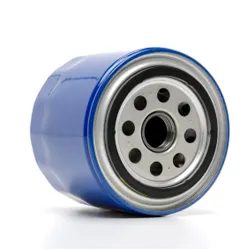

Most people think that the oil filter does all the heavy lifting for them. it is not.
Standard filters capture particles up to 25 microns. This is about 1/10,000 of a meter. Looks small, doesn’t it? But inside modern engines, the debris is even smaller. It is much smaller. Even the most expensive high-tech filters cannot capture everything. Those little spots go away quickly.
They don’t just sit there. They break. Over time, bearings and cylinder walls can wear out. Even worse, they can get stuck together. Sludge formation. Coating critical surfaces with rubbing can remove them from lubricating components. Once the stains are formed, they cannot be washed away with pure oil alone.
So what is the solution?
engine flushing. Especially products designed to break down these submicron contaminants. The chemicals in the high quality rinse dissolve the sludge, suspend the small particles and remove them along with the old oil. The lid is now emptied. Give the new oil a chance to actually lubricate instead of fighting the existing buildup.
1: Clean the engine parts
Our goal is more than pure oil. This is pure metal.
When you flush, you’re targeting sediment that the filter hasn’t caught. Oil reservoirs blocked by sludge. Restrict traffic. Turns high pressure lubrication into a trickle. Proper flushing can restore water flow. Clean surfaces that the filter has never touched.
Let’s consider a valve train. A camo jacket. weight lifter. These components operate under extreme pressure. Sludge build-up increases friction. Wear and tear accelerates. Flushing the engine can remove this layer. Reveal the metal below. Let the fresh oil do its job.
This is not a panacea for stuck engines. But for maintenance? This is the reset button. Removes invisible abrasives that can impair performance for months or years.
Consider the alternatives. Change the oil every 5000 miles. However, the previous batch left some fine particles behind. You will get fish in the next round. But that’s not all. This cycle repeats itself. Savings are constantly accumulating. After all, it’s not just the oil that costs. You pay the price for premature wear.
This leads to the next step: selecting the appropriate flushing method for a particular engine.

When sludge hides leaks
This is the problem. If your engine is older than your morning coffee, the grime inside isn’t always just dirt. In some cases, thick black lacquer can play a real structural role. It works as a sealant to repair cracked rubber seals.
Think about it. You own a car with a lot of miles on it. The seal is not new. They’ve shrunk. Decades of thermal cycling have caused microcracks. Sludge accumulates in these crevices. It holds everything together by filling the voids.
If you pour strong solvents, you strip that sealant away. Suddenly, the cracks are exposed. The seal can no longer withstand the pressure. You may notice leaks or loss of compression right away. You wanted to clean the engine. Instead, you may be charged repair costs that are several times the cost of the flush.
Is engine flushing really worth it?
Manufacturers usually tell you to take a step back. Most major automakers do not recommend this procedure for newer vehicles. Why? This is because engine technology has evolved. Today, the materials used in pistons, rings and seals are more resistant to the dirt that plagued engines in the 1980s and 1990s.
You may not need it if you drive a new car. In fact, running a harsh chemical flush through a tight-tolerance of modern engines can do more harm than good. The protective additives are removed from the oil itself, so metal surfaces are more susceptible to wear between oil changes.
Does fuel efficiency improve?
The numbers on the dashboard may not change. The idea is that a cleaner engine runs more efficiently and should therefore have better fuel economy. In fact, the effect on fuel economy is negligible. The benefits from reduced friction often compensate for the driving time to the store and maintenance costs. You won’t notice a difference in the feel of the car or the distance I can drive on a tank.
How often should I flush the engine?
Simply put, unless your mechanic specifically diagnoses severe sludge build-up, never. Most modern vehicles do not require regular engine flushing. Designed to last tens of thousands of kilometers with synthetic or high-quality conventional oil, it traps contaminants until they are collected by the oil filter.
Follow the maintenance schedule in the owner’s manual. Change the engine oil and filter in time. Use the viscosity grade recommended by the manufacturer. This is the best way to keep your engine running smoothly. Flushing is a band-aid for neglect, not a preventative measure.
Does engine flushing damage the engine?
Yes. In some modern vehicles, the chemicals used for flushing can be too aggressive. Gaskets not designed to handle such strong solvents may swell or dissolve. It can also dislodge large amounts of deposits that can clog the oil pump strainer and cause the engine to lack lubrication.
“Engine flushing removes dirt and keeps components running smoothly. This increases engine efficiency.”
This logic applies to clean engines. It falls apart when applied to a neglected one. The gunk isn’t just dirt. This is a symptom of age and wear and tear. Removing it can reveal problems that were hiding in plain sight.


