


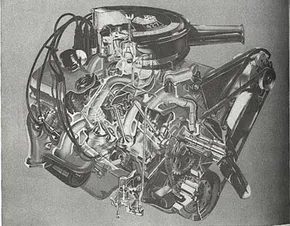
The 427 cubic-inch big block arrived in 1966 to replace the 396. It kept the same stroke but expanded the bore to 4.251 inches. By 1967, the engine became widely available in Corvettes and full-size Chevs. Two ratings existed: 390 bhp and 425 bhp. The top tier used enlarged valves, 11.01:1 compression, and solid lifters.
How the L-88 option boosted 427 horsepower
Chevrolet introduced the L-88 option in 1967. It swapped cast iron heads for aluminum units with enlarged ports. A hotter crankshaft and larger carburetor followed. The change cut engine weight from 687 pounds to approximately 575 pounds, matching the 327. The package included a big four-barrel Holley, solid lifters, and an 11.25:1 compression ratio. Rated output hit 450 bhp.
In a Chevelle SS, the combo produced standing-start quarter-mile times under 15 seconds at terminal speeds near 100 mph. Pontiac felt the threat. The Ram-Air 400 GTO was suddenly close to matching Chevy performance. Pontiac engineers responded by stuffing a 455 V-8 into that car. Chevrolet followed suit, adding extra displacement shortly after.
Why smaller engines never quite kept up
Engineering teams did not ignore the smaller blocks. Zora Arkus-Duntov tested a 327 with overhead cams and three valves per cylinder as early as 1961. In 1967, a 427 V-8 prototype ran on the dyno with one overhead camshaft per bank and electronic fuel injection. Duntov told Hot Rod magazine:
“We’ve seen well over 600 horsepower out of some of our big-block experimentation.”
That potential never reached production. The big-block displacement war defined the era, not camshafts or injected fuel.


