For many electric vehicle (EV) owners, the true value of switching from petrol or diesel lies in the ability to “refuel” at home. When done correctly, home charging is not just a convenience; it is a significant financial advantage that can make running an EV substantially cheaper than a traditional combustion engine vehicle.
However, transitioning to home charging requires more than just plugging in a cable. It involves understanding different hardware options, navigating energy tariffs, and managing installation logistics.
### 🔌 Dua Cara Mengisi Daya: Colok vs. Wallbox
While you can technically charge an EV using a standard three-pin domestic socket, it is rarely a practical long-term solution.
- The Three-Pin Plug: A standard household socket typically delivers about 2.3kW of power. For a large battery, such as that in a Tesla Model Y, a full charge could take over 24 hours. Most manufacturers view this as an emergency measure rather than a primary charging method.
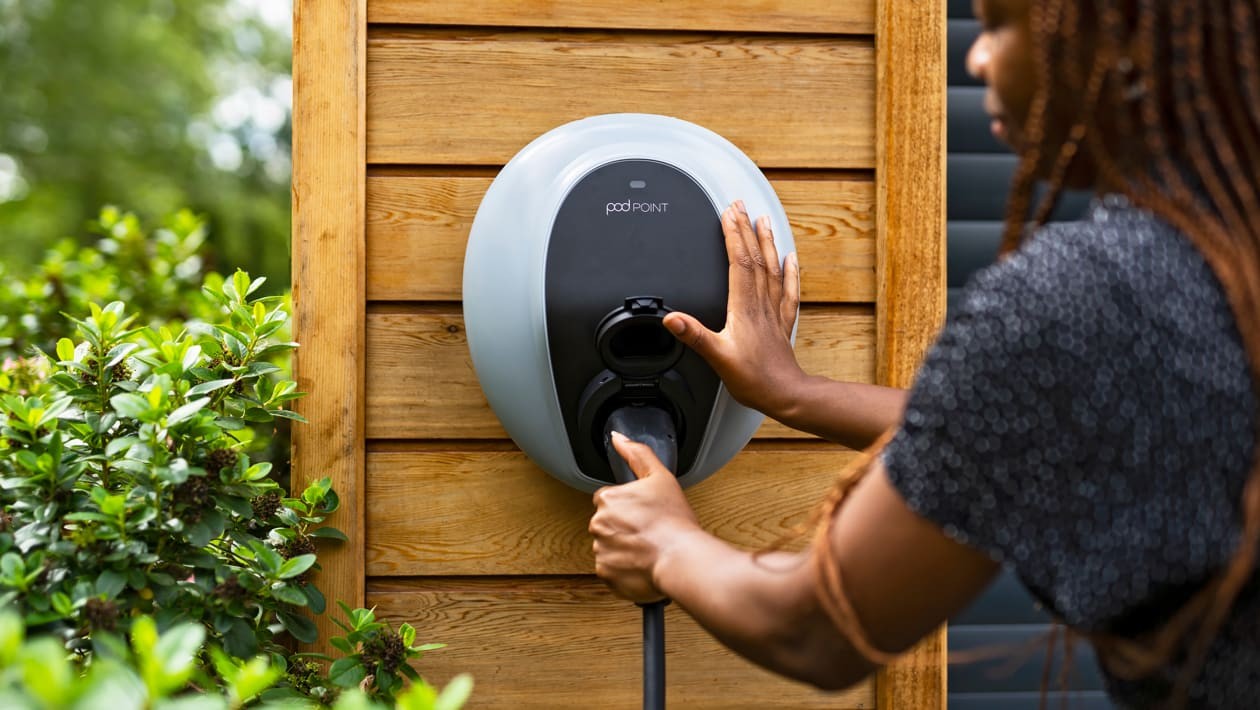
- The Home Wallbox: A dedicated EV wallbox is designed to deliver much higher power—typically 7kW. This can charge the same Tesla Model Y in roughly 8.5 hours, allowing you to wake up to a “full tank” every morning.
#### Perbandingan Waktu Pengisian Daya
| Model Kendaraan | Ukuran Baterai | Steker 3-Pin (2.3kW) | Kotak Dinding (7kW) |
| :— | :— | :— | :— |
| Audi Q4 e-tron 45 | 77kWh | ~33 jam | ~11 jam |
| BMW iX3 50 xDrive | 109kWh | ~47 jam | ~15,5 jam |
| Tesla Model Y RWD | 60kWh | ~26 jam | ~8,5 jam |
| Fiat Grande Panda | 44kWh | ~19 jam | ~6 hours |
💰 Maximizing Your Savings: Electricity Tariffs
The cost of home charging is dictated by your electricity provider, but you don’t have to settle for standard domestic rates.
Kekuatan Tarif Off-Peak
Meskipun batasan harga energi di Inggris memberikan dasar, banyak penyedia (seperti Octopus Energy, E.on Next, dan British Gas) menawarkan tarif khusus kendaraan listrik. These allow you to charge during “off-peak” hours—usually overnight—at much lower rates.
Pro Tip: Some off-peak rates can drop as low as 8p per kWh, compared to the standard price cap of approximately 24.67p per kWh.
Perbandingan Biaya untuk Pengisian Penuh
| Model Kendaraan | Pada Batas Harga Standar (24,67p) | Pada Tingkat Median di Luar Puncak (8p) |
| :— | :— | :— |
| Audi Q4 e-tron 45 | £19,00 | £6,16 |
| Tesla Model Y RWD | £14,80 | £4,80 |
| Fiat Grande Panda | £10,85 | £3,52 |
Note: If you have solar panels, you can potentially reduce these costs even further by using your own generated energy.
❓ Why is Home Charging Cheaper Than Public Charging?
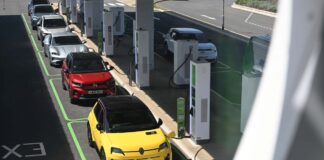
It is a common misconception that public chargers are just “faster” versions of home plugs. In reality, public charging is significantly more expensive due to three main factors:
- Tarif Energi Bisnis: Berbeda dengan rumah tangga, Operator Titik Pengisian Daya (CPO) membayar tarif listrik bisnis, yang tidak dilindungi oleh batasan harga pemerintah.
- Operational Overhead: Public operators must recoup the costs of the hardware, installation, maintenance, and land use.
- Perpajakan (PPN): Di Inggris, listrik domestik dikenai pajak dengan potongan tarif 5%, sedangkan pengisian kendaraan listrik publik dikenakan standar PPN 20%.
🛠️ Instalasi dan Logistik
Bisakah saya memasang pengisi daya?
Most homeowners with a driveway or off-road parking can install a wallbox easily. Jika Anda parkir di jalan, Anda mungkin perlu mencari solusi pengisian daya di bawah trotoar atau memasang kabel dengan aman dari rumah Anda, meskipun hal ini memerlukan izin otoritas setempat.
Berapa biayanya?
On average, expect to pay between £800 and £1,200 for a professional installation. The final price depends on the specific charger chosen and the complexity of your home’s electrical wiring.
#### Hibah Pemerintah
Jika Anda tinggal di akomodasi flat atau sewaan, pemerintah Inggris menawarkan hibah yang dapat menutupi hingga 75% biaya (hingga maksimum £500) untuk pemasangan titik tagihan yang memenuhi syarat.
Proses Instalasi
The process is generally efficient, typically taking two to four hours once the technician arrives. Instalasi standar meliputi:
1. Pre-checks: Reviewing your consumer unit and meter.
2. Mounting: Attaching the unit to an external wall near your parking spot.
3. Wiring: Running a dedicated circuit from your home’s mains to the charger.
4. Certification: Testing the system for safety and providing you with a compliance certificate.
### Ringkasan
Investing in a home wallbox and a smart EV energy tariff is the most effective way to unlock the economic benefits of electric motoring. Meskipun pemasangan awal memerlukan biaya di muka, penghematan jangka panjang dibandingkan dengan bahan bakar bensin dan stasiun pengisian umum sangatlah besar.